
Engineered structural components, cold-rolled metal profiles, and thermal sandwich panels ready for containerized sea shipment to Karachi Port and Port Qasim.
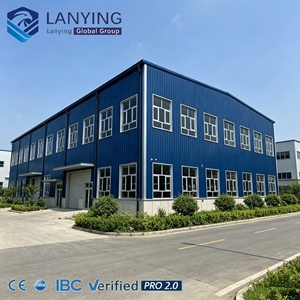
Clear-span heavy industrial building packages integrated with insulated aluminum or steel sandwich wall and roof systems for rapid assembly.
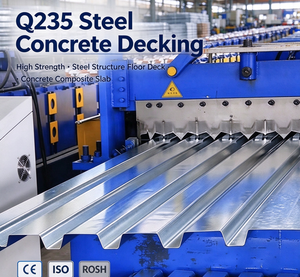
High-tensile zinc-coated structural decking sheet serving as formwork and permanent tensile reinforcement for multi-story industrial mezzanine slabs.
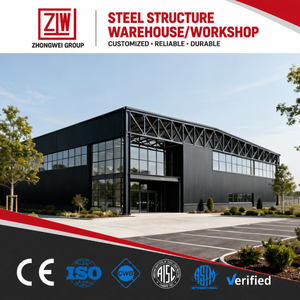
Standardized modular steel sheds optimized for grain storage, logistics hubs, and livestock shelters with high wind-load resistance.

High-precision computerized roll forming line with automated punching and notching for light steel villa and interior partition production.
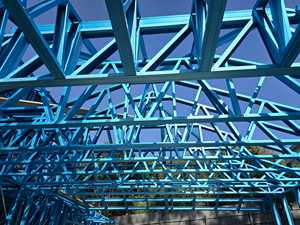
Industrial PLC-driven cold roll forming machinery featuring reinforced gear transmission and servo motors for on-site modular housing fabrication.
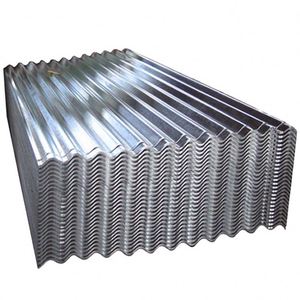
Corrosion-resistant SGCC/DX51D prepainted profiled metal roofing panels tailored for harsh tropical solar exposure and chemical resilience.
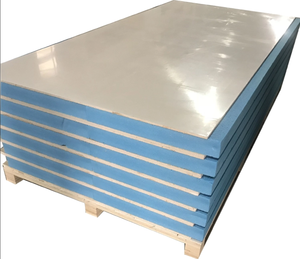
Class A1 non-combustible magnesium oxide composite sandwich boards delivering outstanding shear capacity and moisture-proof exterior insulation.
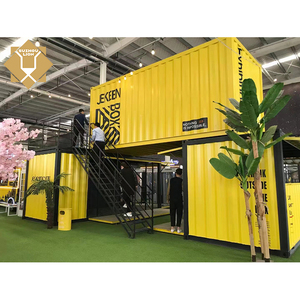
Galvanized structural steel frame with insulated aluminum sandwich wall inserts, engineered for engineering camp deployment and relocatable field offices.
A rigorous examination of core morphology, composite skin durability, and thermal bridging mitigation under sub-tropical climatic stresses.
In industrial architecture across Pakistan, modern envelope design must reconcile extreme thermal loads with strict lifecycle cost optimization. Ambient summer temperatures regularly surge above 47°C across Southern Punjab, Sindh, and Balochistan, while direct solar radiation can push external metal surface temperatures well beyond 75°C. Standard uninsulated single-skin corrugated metal sheets generate intense radiant heat inside industrial facilities, placing excessive burdens on HVAC refrigeration equipment and leading to severe operational downtime.
As an international engineering supplier, our export-grade Aluminum Sandwich Panels integrate structural exterior skins made of high-grade aluminum alloys (typically AA3003-H14 or marine-grade AA5052) continuously bonded under high pressure to high-density insulated cores. Unlike conventional galvanized steel claddings which are prone to galvanic pitting and rust when cut or scratched in high-humidity zones like Karachi, aluminum naturally forms a passivating aluminum oxide film that provides self-healing corrosion resistance. Coated with architectural-grade PVDF (polyvinylidene fluoride / Kynar 500) fluoropolymer resins, these panels reflect up to 78% of incoming solar infrared rays, dramatically slashing thermal transmittance (U-value) through walls and roof ridges.
| Core Material Option | Nominal Density (kg/m³) | Thermal Conductivity (λ W/m·K) | Fire Classification (EN 13501-1 / ASTM E84) | Moisture Permeability | Best Pakistan Application Scenario |
|---|---|---|---|---|---|
| Polyisocyanurate (PIR) | 40 – 45 | 0.020 – 0.022 | B-s1, d0 / Class A (Flame ≤ 25) | < 1.5% (Closed-Cell > 95%) | Cold Storage Facilities, Pharmaceutical Cleanrooms (DRAP compliant) |
| Polyurethane (PUR) | 38 – 42 | 0.022 – 0.024 | B2 / Class B | < 2.0% (Closed-Cell > 92%) | Commercial Logistics Warehousing, General Temperature Control |
| Basalt Rock Wool | 100 – 140 | 0.038 – 0.044 | A1 / Non-Combustible (>1000°C) | Vapor Permeable (Requires Facing) | Textile Mills, Chemical Warehouses, High Fire Hazard Production Units |
| Flame-Retardant EPS | 16 – 20 | 0.033 – 0.036 | Class B1 (Self-Extinguishing) | 2.0% – 4.0% | Temporary Field Accommodations, Site Offices, Low-Budget Agro Sheds |
| Structural MGO SIP | 850 – 1050 (Skin) | 0.035 – 0.040 | A1 Incombustible Core/Skin | High Moisture Resistance | Acoustic Partitions, High-Security Perimeter Firewalls |
Note: All thermal values tested according to ASTM C518 and ISO 8301. Mechanical skin thickness options range from 0.5mm to 1.0mm aluminum alloy sheets, laminated via continuous polyurethane reactive (PUR) hot-melt adhesive lines.
Engineered structural specifications meeting the precise humidity, seismic, wind-load, and chemical parameters of specific Pakistani regional hubs.
Operating in Port Qasim, Korangi Industrial Area, and Keamari exposes exterior envelopes to marine salt-fog spray, atmospheric chlorides, and sustained relative humidity above 80%. Traditional galvanized steel fails prematurely due to zinc breakdown and coastal galvanic corrosion.
Our supply of AA5052-H32 Marine Alloy Aluminum Panels coated with 30-micron PVDF resin prevents chloride pitting. These systems are extensively installed across maritime storage, pharmaceutical processing units, and freight forwarder logistics depots.
The agricultural belt encompassing Multan, Sahiwal, Rahim Yar Khan, and Sargodha represents Pakistan’s primary citrus, mango, meat, and dairy corridor. Ambient temperatures frequently hover between 44°C and 49°C for months, creating devastating losses without reliable cold chains.
We supply high-efficiency 100mm to 150mm PIR continuous sandwich panels featuring cam-lock airtight tongue-and-groove joints. These systems eliminate thermal bridging, preventing moisture condensation and slashing the continuous electrical load of commercial chillers and freezers.
Textile spinning, weaving, and wet-processing hubs in Faisalabad and Sundar Industrial Estate (Lahore) feature high internal relative humidity combined with dense worker populations and flammable cotton lint. International compliance frameworks require stringent fire safety compliance.
Our structural Basalt Rock Wool Core Panels offer up to a 120-minute structural fire rating (ASTM E119 / EN 1364-1), preventing flame propagation and ensuring facility compliance with international buyer audits, while dampening high-decibel loom machinery noise.
Four major regulatory, commercial, and logistical shifts driving the rapid transition away from traditional masonry toward pre-engineered composite cladding.
With the rapid rollout of Special Economic Zones (SEZs) under the China-Pakistan Economic Corridor (CPEC)—notably Rashakai, Allama Iqbal SEZ in Faisalabad, and Dhabeji—investors are under strict timelines to complete civil setups within 6 to 9 months. Prefabricated aluminum sandwich systems reduce building enclosure time by over 65% compared to wet RCC construction.
Escalating industrial electrical unit prices across LESCO, K-Electric, and FEPCO supply networks make energy efficiency a survival issue for manufacturers. Uninsulated concrete or corrugated roofs consume massive kWh outputs for comfort cooling. Sandwich panels with R-values exceeding 28 achieve immediate energy reductions of 30-40% on industrial HVAC bills.
Significant territories of Pakistan—including Quetta, Islamabad, Rawalpindi, Peshawar, and Northern KPK—sit in high-risk seismic zones (Zones 3 and 4 of the Building Code of Pakistan). Lightweight sandwich panel cladding drastically lowers structural self-weight, significantly dampening lateral seismic inertial forces and preventing catastrophic brittle wall collapse.
Pakistan’s updating building codes, combined with stringent international compliance for textile, food, and surgical goods exporters in Sialkot, are pushing combustible EPS panels out of main production floors. Engineering procurement managers now consistently specify non-combustible Rock Wool and Class B-s1,d0 PIR composite panels for risk management and lowered insurance premiums.
Combining over a decade and a half of engineering fabrication with integrated export logistics to deliver reliable industrial building envelopes across South Asia.
We supply designed, fabricated, and CNC-cut steel structural skeletons alongside customized sandwich panels, flashings, structural deck sheets, and hardware fasteners under one unified contract.
Our continuous automated lines inject high-density polyurethane and polyisocyanurate cores with zero voids, guaranteeing uniform structural adhesion, high shear strength, and no delamination over decades.
We provide marked member structural layouts, detailed shop drawings, and remote/on-site engineering consultants to guide local erection contractors in Pakistan for flawless panel alignment and weather-proofing.
Panels are packaged with dual-sided protective polyethylene films, reinforced corner profiles, damp-proof poly wrapping, and sturdy timber pallets engineered for break-bulk or 40ft HQ container shipments.
Founded in 2010, Joint Star Steel Structure Ltd. has grown to become a benchmark manufacturer of pre-engineered steel buildings and structural sandwich panels. Operating with over 100 dedicated technical engineers, fitters, and fabricators, our solutions protect over 352 installations worldwide.
Essential guidance on customs clearance, HS codes, port logistics, banking compliance, and structural design codes for importing panels into Pakistan.
We regularly ship directly via standard 40ft High Cube (HQ) shipping containers or chartered break-bulk vessels depending on panel lengths. Standard panels up to 11.8 meters fit comfortably within 40ft containers with edge buffers. Bill of Lading (BL), Certificate of Origin (COO), Commercial Invoices, and Packing Lists are dispatched seamlessly via DHL or banking channels to ensure rapid customs clearance under Pakistan Customs Tariff (PCT) codes without demurrage risks.
We work closely with major commercial banks in Pakistan (such as HBL, MCB, UBL, Meezan Bank, and Standard Chartered) executing Irrevocable Letters of Credit (LC at Sight) compliant with State Bank of Pakistan (SBP) foreign exchange regulations and Electronic Import Form (EIF) procedures. We also offer standard TT arrangements with transparent production milestone disbursements.
While galvanized steel is common for budget inland warehouses, it is susceptible to red rust wherever the coating is drilled or exposed to acidic industrial fallout. In coastal areas like Karachi, Gwadar, or chemical processing environments, Aluminum alloy (AA3003 or AA5052) provides complete immunity against rust-bleed. Additionally, aluminum skins are 60% lighter than steel, significantly reducing dead loads on secondary purlins and sub-frames.
Our structural steel frames and sandwich panel cladding are engineered in full alignment with the Building Code of Pakistan (BCP), which adopts international standards from the International Building Code (IBC) and AISC 360/MBMA guidelines. We design connection details, screw frequencies, and panel thicknesses to withstand high wind speeds up to 160 km/h (common along the coastal wind zones of Sindh and Balochistan) and provide flexible connection tolerances for seismic ductility.
For deep freeze applications (-18°C to -25°C), we recommend 150mm to 200mm high-density PIR panels (thermal conductivity ≤ 0.021 W/mK) with double tongue-and-groove hermetic labyrinth joints. For medium-temperature cold storage (0°C to +4°C, such as citrus, potatoes, or fresh produce depots), 100mm PIR panels provide optimal return on investment, reducing refrigeration compressor run-time by over 35%.
Yes. A primary cause of water leaks and aesthetic failure in Pakistan is sourcing fasteners and flashings from unrelated third parties. We supply custom color-matched CNC-bent ridge caps, corner flashings, drip edges, EPDM self-drilling carbon/stainless screws, and silicone sealing tapes bundled into the exact bill of quantities (BOQ) of your building layout.
Our automated continuous laminating line preheats metal skins and applies polyurethane-reactive structural adhesive with micro-groove distribution prior to core injection. This guarantees a peel strength exceeding 0.12 MPa (DIN 53292), ensuring that thermal cycling between scorching 50°C summer days and cool winter nights creates zero blistering or skin delamination over the building lifecycle.
Whether you are engineering a multi-span logistics park in Dhabeji SEZ, a pharmaceutical facility in Islamabad, an agro cold storage in Multan, or a textile mill extension in Faisalabad, our engineering desk is ready to review your architectural layouts and deliver an optimized technical proposal.