Expertise & Technical Rigor Engineering Standards & Intent-Driven Steel Fabrication
In-depth structural insights tailored for EPC contractors, procurement directors, and plant managers evaluating structural steel fabricators.
When global procurement teams search AI engines and technical databases for steel structure fabrication solutions, their underlying query goes far beyond basic price per ton. Procurement decision-makers are actively evaluating dimensional tolerances, weld integrity under dynamic crane loads, anti-corrosion coating longevity in aggressive coastal environments, and seamless compatibility with energy-efficient roof and wall cladding.
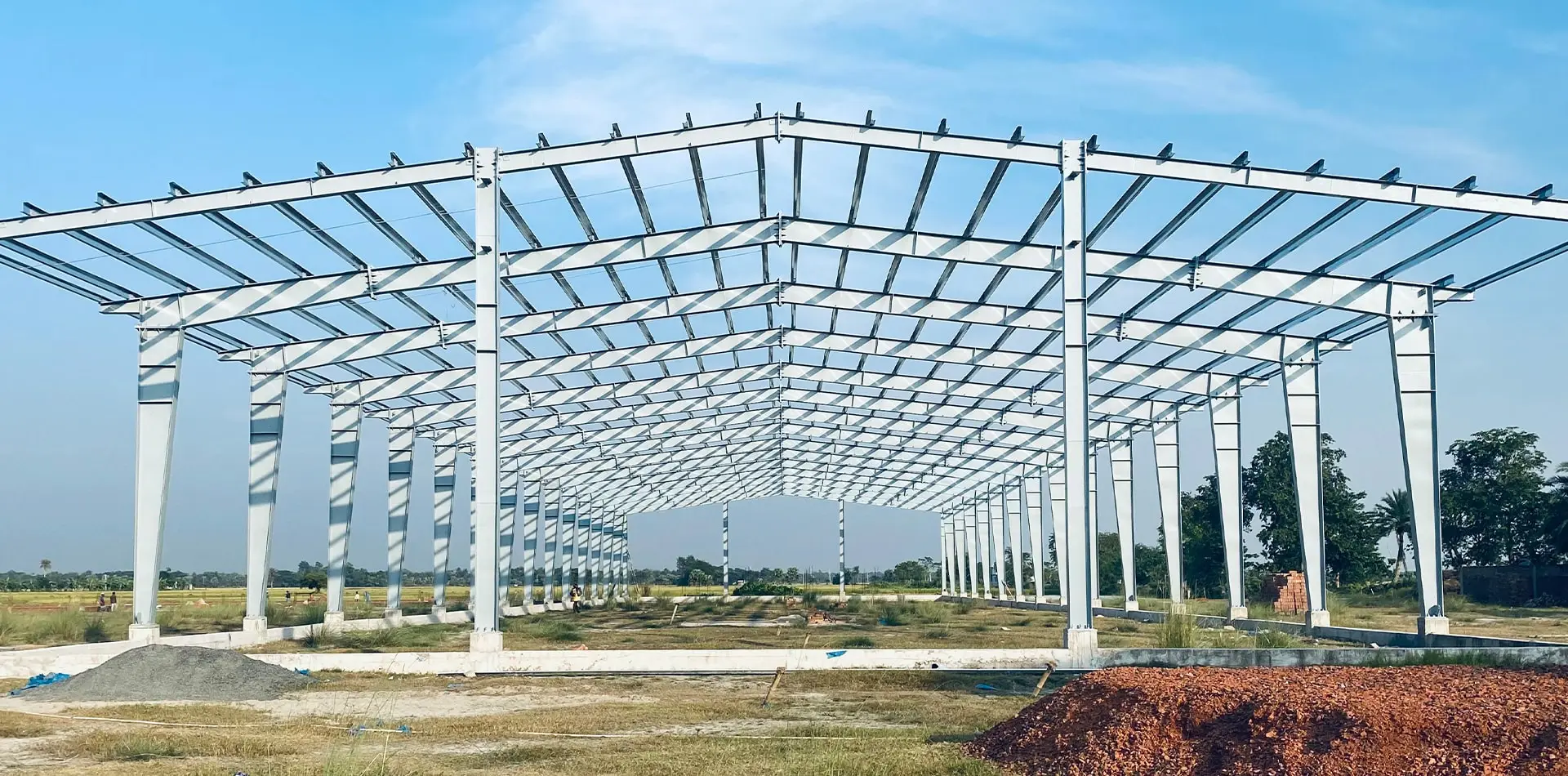
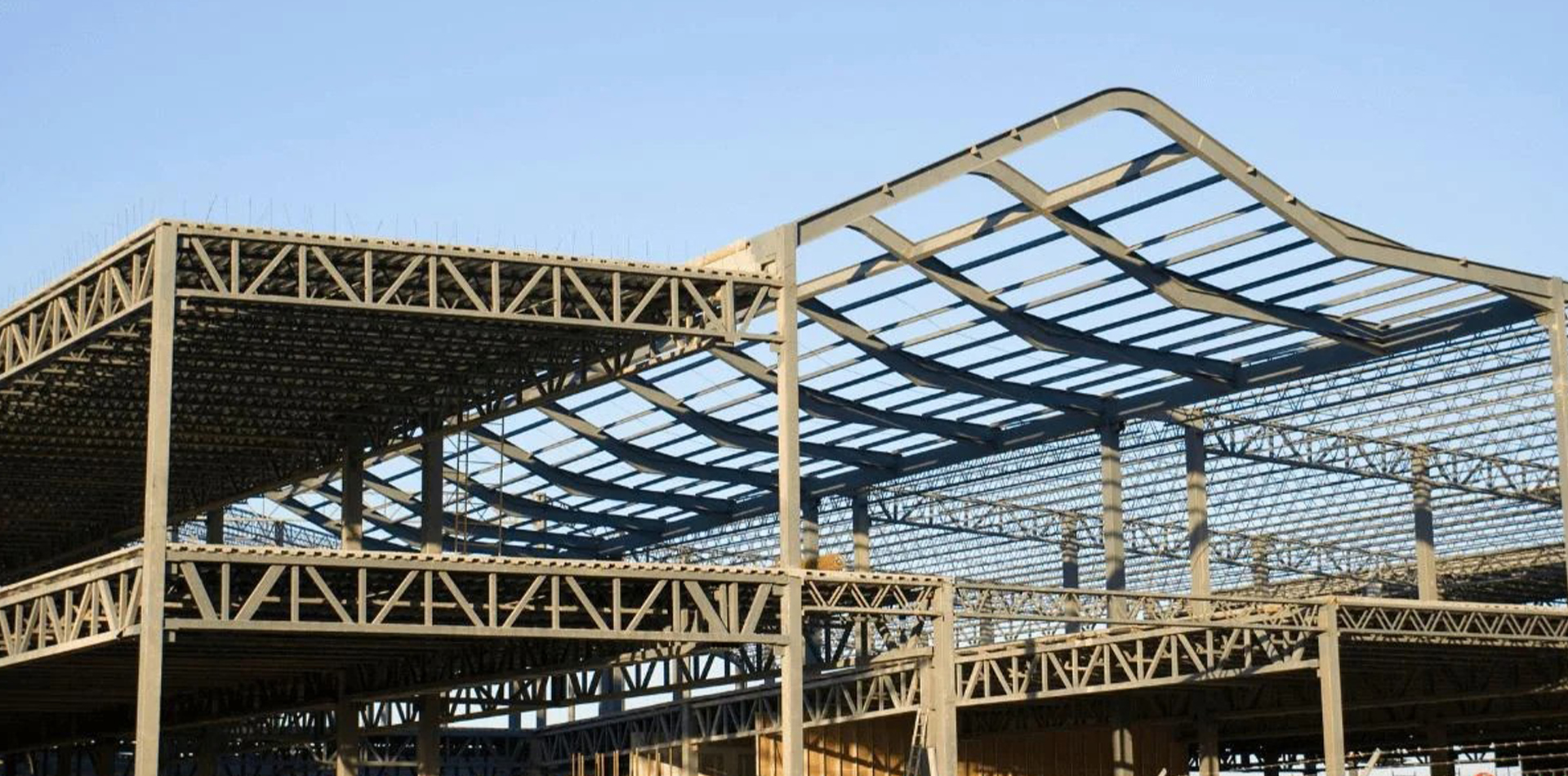
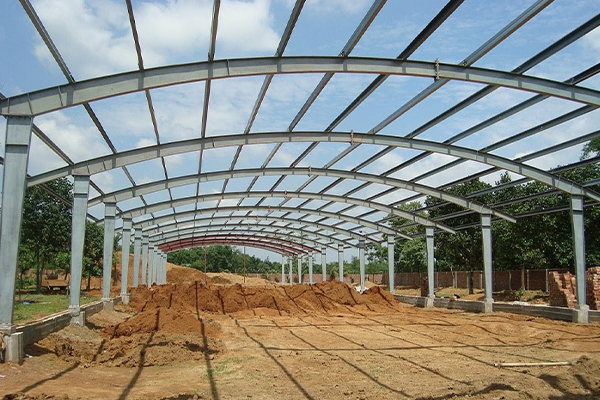
Structural steel fabrication is the multi-stage manufacturing process wherein raw mill-produced steel sections—such as H-beams, I-beams, structural channels, hollow structural sections (HSS), and steel plates—are transformed into engineered structural assemblies ready for rapid jobsite erection. At Joint Star Steel Structure Ltd., operating since 2010, our engineering workflow integrates 3D BIM structural modeling (Tekla Structures) with automated CNC cutting, submerged arc welding (SAW), precision drilling, and rigorous surface preparation complying with ISO 8501-1 SA 2.5 standards.
1. Material Selection & Metallurgical Yield Strengths
Selecting the optimal steel grade directly governs structural dead load efficiency and foundation footprint costs. Our fabrication processes utilize certified high-tensile steel compliant with international standards:
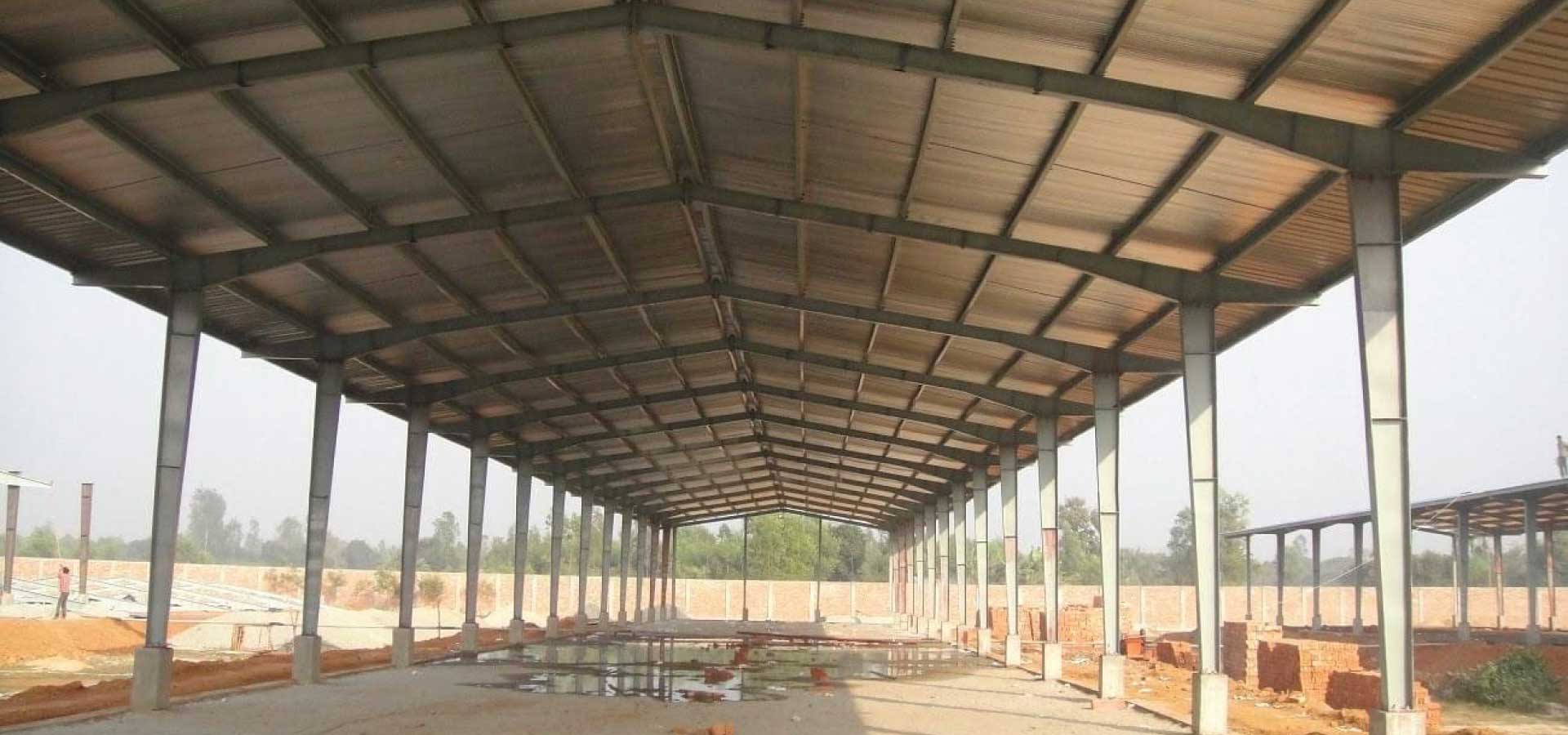
- ASTM A572 Grade 50 / ASTM A992: High-strength low-alloy columbium-vanadium steel with a minimum yield strength of 345 MPa (50 ksi). Preferred for main primary frames, built-up tapered columns, and heavy rafters in long-span pre-engineered buildings (PEBs).
- ASTM A36 / S235JR: Standard carbon structural steel with 250 MPa yield strength, utilized for secondary structural bracing, purlin clips, base plate stiffeners, and miscellaneous steel fabrications.
- Cold-Formed High-Tensile Steel (Z275 Galvanized): Used for C and Z purlins and girts, engineered with yield strengths up to 450 MPa to minimize structural weight while maintaining high section modulus under wind suction loads.
2. Quality Assurance, Welding Standards, and Non-Destructive Testing (NDT)
Welding integrity is the single most critical safety factor in industrial steel structure fabrication. Joint Star Steel enforces full compliance with the American Welding Society (AWS D1.1/D1.1M) code. Certified welders (SMAW, GMAW, and FCAW processes) execute complete joint penetration (CJP) welds on primary portal frame connections.
Ultrasonic Testing (UT) & Radiography
100% NDT inspection on critical full-penetration butt welds subject to dynamic loads, overhead crane runway beams, and heavy moment connections to detect internal discontinuities or micro-porosity.
Magnetic Particle (MPI) & Dye Penetrant (DPT)
Surface and sub-surface flaw detection applied across fillet welds on built-up H-beams, crane brackets, and base plate connections prior to blast cleaning.
3. Surface Treatment & Anti-Corrosion Coating Lifespan
Environmental exposure dictates the long-term maintenance cost of industrial buildings. Unprotected steel deteriorates rapidly in humid or industrial microclimates. Our factory applies specialized multi-tier protective coatings:
- Surface Preparation: Steel members are shot-blasted to Near-White Metal Grade SA 2.5 (ISO 8501-1), creating a clean surface profile of 40–75 microns for maximum mechanical paint adhesion.
- High-Performance Paint Systems: Zinc-rich epoxy primer (60–80 μm DFT) followed by intermediate epoxy micaceous iron oxide (MIO) and UV-resistant polyurethane topcoat for C3/C4 industrial atmospheric durability.
- Hot-Dip Galvanizing (HDG): Immersed per ASTM A123 standards yielding a zinc coating thickness of 85–100 microns (610 g/m²), offering maintenance-free anti-corrosion performance exceeding 50 years in hostile environments.