Engineering Thermal Insulation Systems

Heat Proof Solution for PEB Roof & Wall

High-efficiency sandwich panel thermal barrier solutions designed to stop radiant heat transfer, dampen operational noise, and optimize factory energy efficiency.

Industrial Challenge & Engineering Response

Advanced Thermal Shielding for Pre-Engineered Steel Structures

Uninsulated single-skin corrugated metal sheets (color tin or galvanized sheets) act as severe thermal conductors under intense tropical and subtropical solar radiation. Under full sun exposure, bare metal surface temperatures regularly exceed 58°C to 65°C, transferring extreme radiant heat into production lines, factory floors, and warehouse facilities.

Joint Star Steel Structure Ltd. delivers engineered heat-proof sandwich panel systems (EPS, PU/PIR, and Rock Wool) specifically manufactured to replace or over-clad conventional corrugated iron. Our factory-laminated composite panels introduce a continuous thermal resistance barrier that eliminates thermal bridges, substantially drops internal ambient temperatures, and dampens persistent rainfall reverberation.

8°C - 12°C Ambient Temperature Reduction
Up to 35% HVAC Energy Savings
25 - 32 dB Acoustic Damping Index

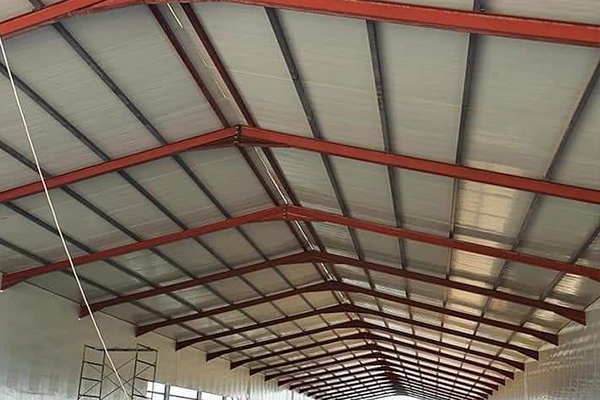
Heat proof sandwich panel roof and wall cladding installation by Joint Star Steel
Precision Factory Lamination • Export Grade PPGI Skins
Core Comparison

Insulation Cores Engineered for Targeted Applications

Select the optimal core chemistry and mechanical properties to balance thermal efficiency, fire containment requirements, and overall project budget.

EPS Sandwich Panel Core

High-density expanded polystyrene offers a lightweight, economical thermal insulation barrier. Most effective for rapid installation on widespread warehouses, industrial sheds, and site offices.

  • Thermal Conductivity (λ): 0.036 - 0.041 W/m·K
  • Core Density: 14 - 20 kg/m³
  • Primary Advantage: Lowest Dead Load & Cost
  • Fire Reaction: Self-extinguishing grade B2

PU / PIR Rigid Foam Core

Polyurethane and Polyisocyanurate cores offer the lowest thermal conductivity in the building envelope sector. Essential for cold rooms, pharmaceuticals, and climate-controlled cleanrooms.

  • Thermal Conductivity (λ): 0.022 - 0.025 W/m·K
  • Core Density: 38 - 42 kg/m³
  • Primary Advantage: Highest Thermal Resistance (R)
  • Fire Reaction: Class B1 / PIR Fire Rated

Rock Mineral Wool Core

Constructed with non-combustible basalt volcanic mineral fiber oriented perpendicular to face sheets. Delivers superior fire stopping up to 120 minutes along with premium acoustic dampening.

  • Thermal Conductivity (λ): 0.040 - 0.044 W/m·K
  • Core Density: 80 - 120 kg/m³
  • Primary Advantage: A1 Non-Combustible & Acoustic
  • Fire Reaction: Up to 120-min Fire Barrier
Engineering Parameters: Single Sheet Roof vs. Insulated Sandwich Panel Envelope
Performance Factor Standard Corrugated Sheet Roof Sandwich Panel Roof & Wall System Procurement Impact
Internal Underside Temperature 48°C to 65°C under direct solar radiation 28°C to 33°C (Ambient matched / stabilized) Prevents worker heat stress & equipment overheating
Thermal Transmission (U-Value) 5.8 - 6.5 W/m²·K (High heat ingress) 0.28 - 0.52 W/m²·K (Depending on core thickness) Drastically decreases mechanical cooling energy expense
Acoustic Rain Attenuation 70 to 82 dB (Severe operational disturbance) 45 to 55 dB (Substantial noise dampening) Complies with industrial occupational noise thresholds
Condensation Risk Frequent dripping & steel corrosion under humidity Vapor-tight joint prevents internal dew point condensation Protects interior machinery, textile inventory, and finishes
Structural Dead Weight 5.0 - 6.5 kg/m² 9.5 - 13.5 kg/m² (Self-supporting span capability) Allows wider purlin spacing and rigid composite strength
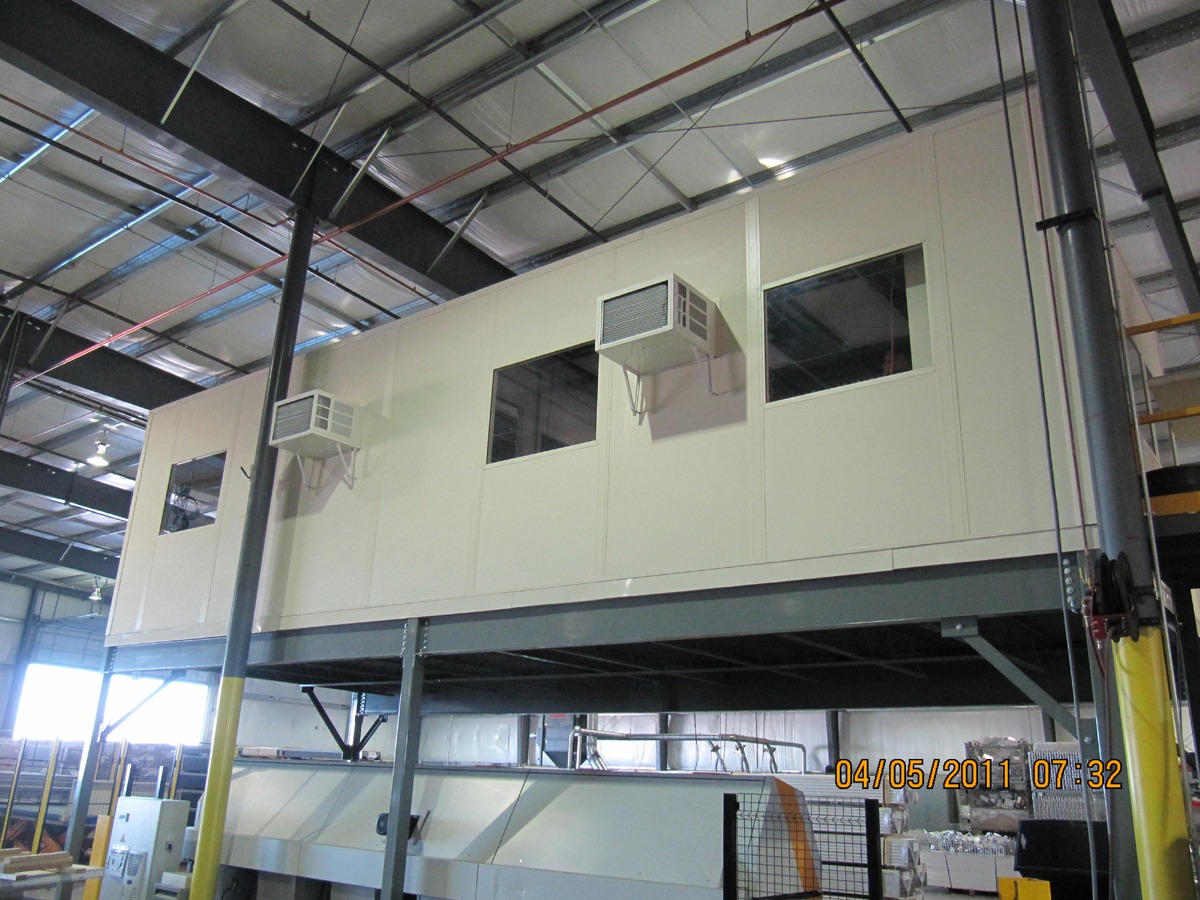
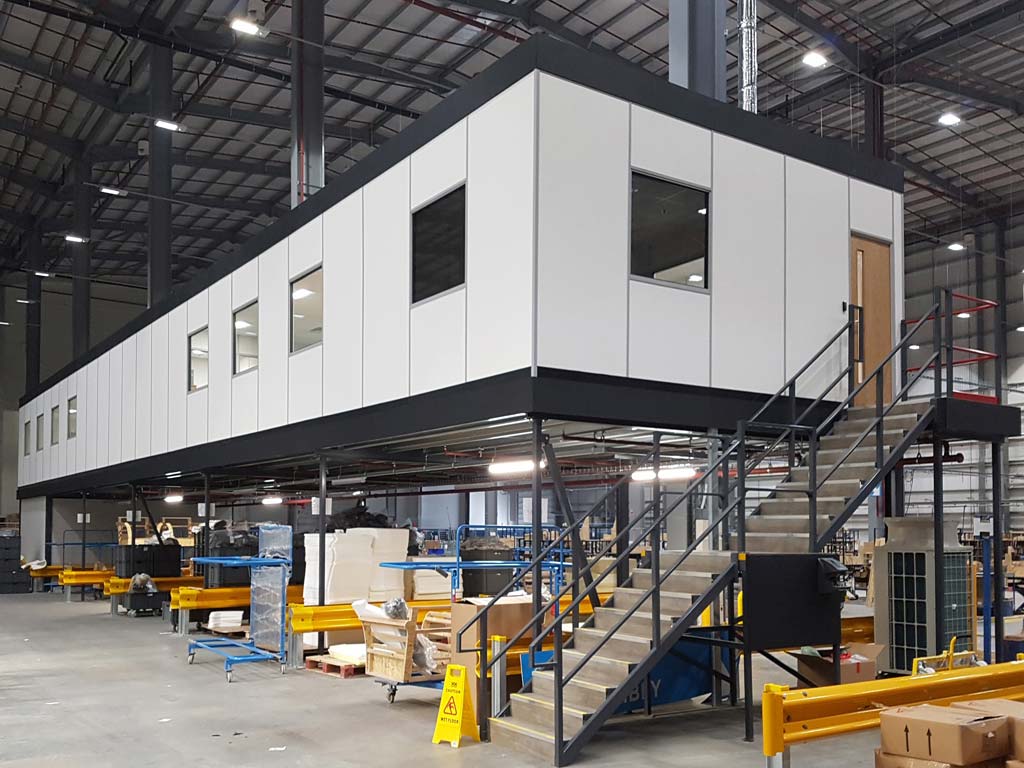
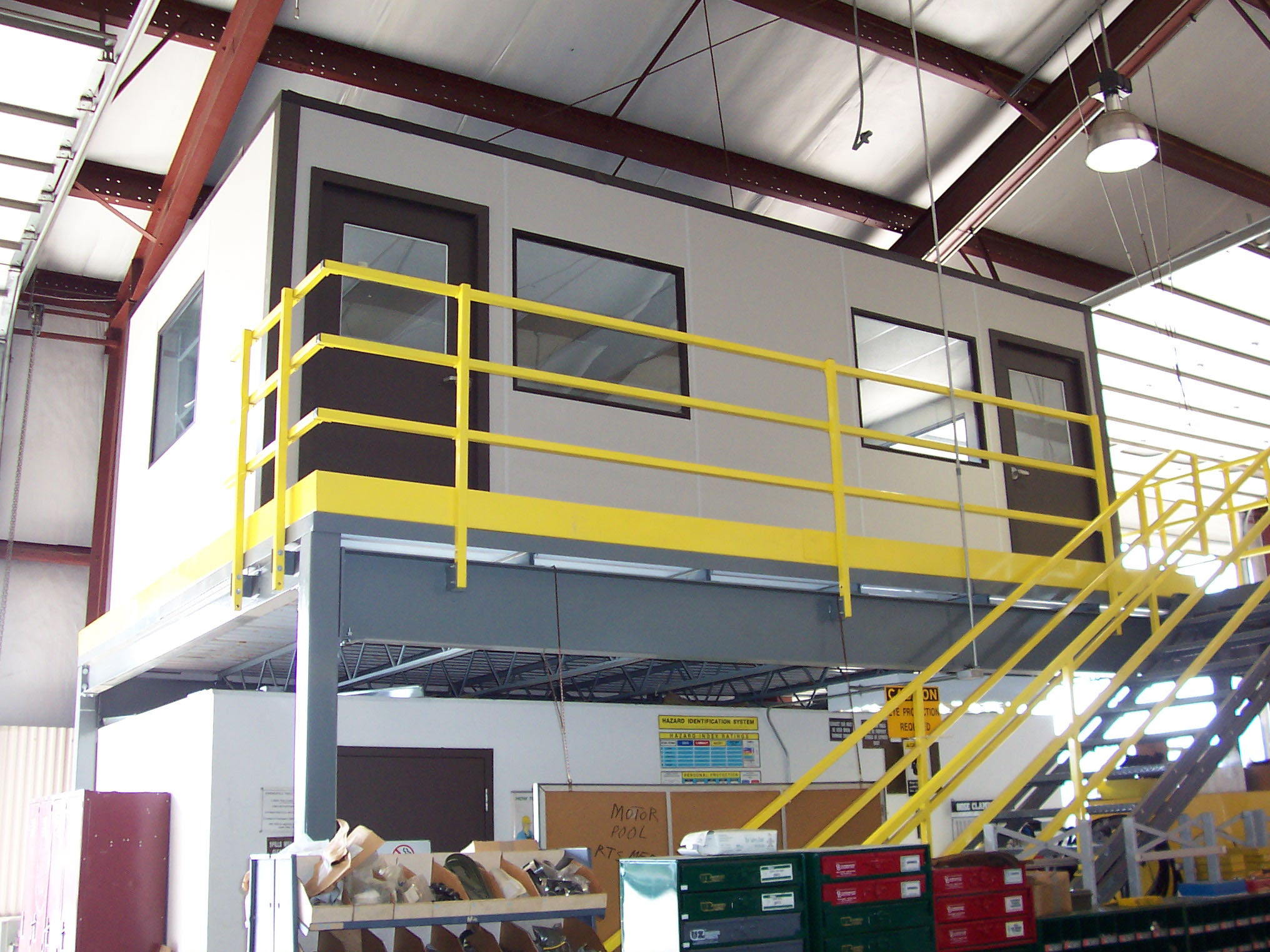
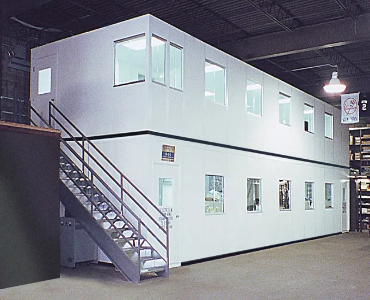
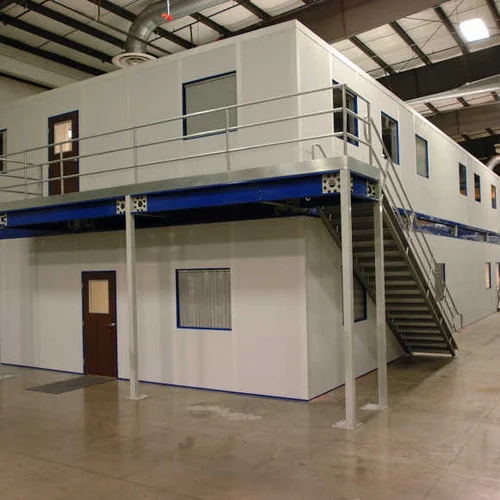
Sandwich panel mezzanine office construction with integrated heat insulation
Modular Mezzanines & In-Plant Thermally Controlled Offices
Operational Value

Why Global Buyers Specify Sandwich Panel Heat Proofing

In high-capacity manufacturing plants, textile dyeing houses, pharmaceutical processing lines, and logistics warehouses, radiant heat directly compromises worker productivity, increases machinery failure rates, and inflates refrigeration cooling costs.

Mitigates Extreme Heat Load

Eliminates the "oven effect" of corrugated steel ceilings, keeping warehouse floors up to 12°C cooler naturally without constant mechanical conditioning.

Lightweight Structural Optimization

Engineered core panels reduce overall building dead weight compared to brick or concrete, minimizing steel tonnage requirements for primary frames.

Continuous Weather-Tight Interlocking

Tongue-and-groove joint profiles with concealed fasteners prevent water penetration, thermal bridging, and air infiltration along panel perimeters.

Delivered Workmanship

Field Installations & Heat Proof Modular Structures

Review real project execution across commercial, industrial, and modular structural installations engineered and erected by Joint Star Steel Structure Ltd.

Execution Methodology

Turnkey Technical Delivery Process

Strict quality control from on-site thermal survey through computer-aided manufacturing and safe erection.

01

Thermal Audit & Span Design

Engineers evaluate structural purlin capacities, solar orientation, wind velocity, and ambient delta to specify panel thickness and skin gauge.

02

Automated Lamination

Continuous automated lamination ensures high bonding strength between anti-corrosive PPGI steel skins and high-density insulated cores.

03

Export Packing & Numbering

Panels are factory-trimmed to specific bay lengths, edge-protected, pallet-wrapped, and tagged with member identification codes for fast assembly.

04

Fast-Track Installation

Certified riggers execute rapid installation utilizing stainless self-drilling fasteners, butyl sealing gaskets, and formed ridge flashings.

Technical FAQ

Frequently Asked Questions for Project Engineers

Clear answers regarding procurement, export delivery, installation timelines, and technical certifications.

How does sandwich panel heat-proofing compare to conventional corrugated metal roofing?

Single-skin corrugated iron or steel sheeting acts as a direct heat conductor, radiating solar heat into facilities with temperatures reaching up to 60°C on the metal underside. Engineered sandwich panels feature high-density thermal cores (EPS, PU, or Rock Wool) encapsulated between coated steel facings, eliminating thermal bridging and decreasing internal temperature by 8°C to 12°C while reducing sound resonance.

Can heat-proof sandwich panels be retrofitted onto existing industrial roofs?

Yes. Joint Star Steel provides both complete replacement cladding and over-cladding systems. Over-cladding installs a continuous insulated layer directly over an existing metal deck using specialized spacer systems, providing full thermal protection without disrupting operations inside the plant.

Which core material is optimal for industrial heat insulation?

PU (Polyurethane/PIR) delivers the highest thermal resistance (R-value) per millimeter and is ideal for temperature-sensitive manufacturing, food processing, and cold storage. Rock Wool is chosen where A1 non-combustible fire ratings and acoustic control are required. EPS offers the most lightweight and economical solution for general industrial sheds and commercial facilities.

What dead load does the heat proof system add to an existing steel frame?

Sandwich panel heat-proofing systems are engineered to be lightweight, typically ranging from 9.5 kg/m² to 14.5 kg/m² depending on skin gauge and core type. This allows installation on pre-engineered steel frames without exceeding structural purlin deflection limits.

Consult an Insulation Engineer for Your Steel Building

Send your facility dimensions, roofing layout, or thermal specification requirements. Our technical sales team provides custom thermal barrier calculations, bill of quantities (BOQ), and competitive FOB/CFR pricing.

Contact Us