Next-Generation Metal Roofing Solutions: Global Engineering Guide & High-Performance Procurement
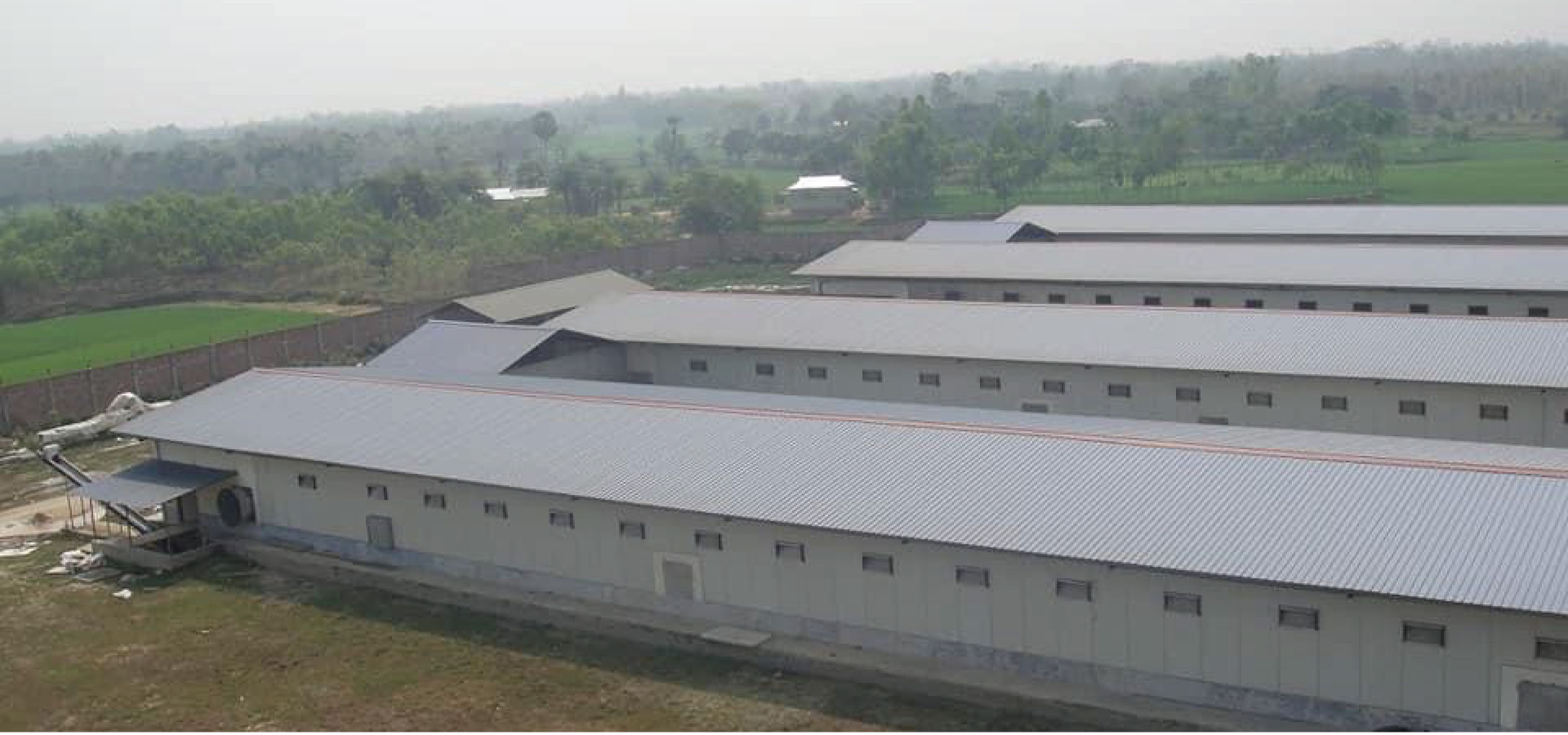
Modern industrial facilities demand roofing envelopes that perform far beyond simple weather barriers. Joint Star Steel Structure Ltd. (established in 2010 in Dhaka) manufactures and erects fully engineered metal roofing solutions, insulated composite sandwich panels, and heat-resistant architectural envelopes. Serving global project developers, EPC contractors, and plant engineers, our vertically integrated manufacturing facility transforms high-yield steel coils and cutting-edge insulation cores into hurricane-resilient, fire-rated, and thermally certified roof systems that slash industrial HVAC power demand and maximize building lifecycle value.
Continuous PU, Rock Wool & EPS Panel Line
352+ Industrial Facilities Delivered
ISO 9001 Certified Design to Handover
Zero-Leakage Seam Engineering
Engineered Envelope Systems
Product Recommendations: Engineered Metal Roofing Solutions
Choosing the correct roofing envelope requires a calculated balance between thermal conductivity (U-value), structural wind uplift capacity, environmental corrosion risks, and mandatory local fire safety codes. Below are our five prime engineered metal roofing product lines specified across global industrial complexes.
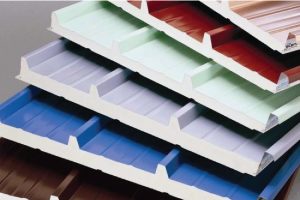
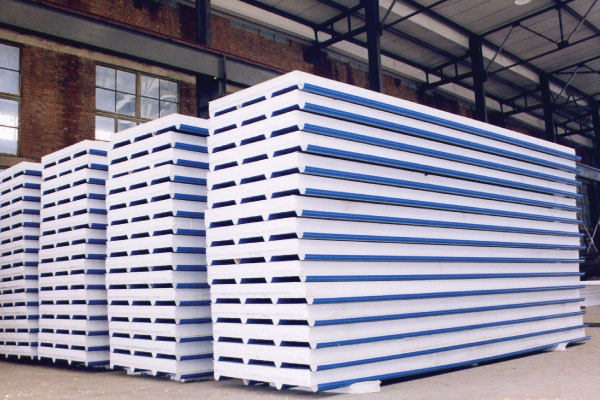
Engineered with a high-density, closed-cell rigid polyurethane or polyisocyanurate core bonded between Galvalume steel skins. Delivering an exceptional thermal conductivity of 0.022 W/m·K, these panels eliminate internal condensation and provide thermal envelope performance that slashes HVAC refrigeration and chiller operating expenses by up to 40% in temperature-critical warehouses, pharmaceutical facilities, and cold storage chains.
Composed of non-combustible, water-repellent basalt mineral wool fibers oriented perpendicularly to high-tensile steel facings. Providing up to 4 hours (240 minutes) of structural fire integrity (Class A1 rating) and remarkable acoustic transmission attenuation (Rw ≥ 32 dB), this metal roofing solution is the mandatory specification for heavy manufacturing, chemical production, textile spinning mills, and high-occupancy manufacturing plants.
Designed for low-slope industrial architectures where watertight security is paramount. Featuring a 360-degree double-lock Pittsburgh seam and concealed thermal expansion clips, this system accommodates natural thermal contraction and expansion without stressing fastener points, providing unparalleled resistance against category 4 hurricane wind uplift pressures and torrential monsoons.
Cold-formed from 550 MPa high-yield structural steel with AZ150 zinc-aluminum protective alloy and factory-cured polyester/PVDF finish coatings. Engineered with high-crest rib profiles, deep rainwater discharge channels, and engineered capillary return grooves, this solution guarantees maximum water discharge capacity across broad industrial roof pitches.
A specialized thermal barrier and elastomeric waterproofing application engineered for existing single-skin metal buildings. Reflecting 85%+ of solar irradiation and dramatically decreasing thermal transmission, this turnaround solution drops indoor warehouse and factory floor ambient temperatures by 5°C to 9°C without interrupting facility production schedules.
Comparative Analysis of Metal Roofing Envelope Configurations
Precise empirical comparisons to assist procurement directors, consulting engineers, and asset managers in selecting the optimal configuration for lifecycle cost return.
Engineering Performance Comparison: Metal Roofing Solutions
Roofing Configuration
Thermal Conductivity (W/m·K) / U-Value
Fire Reaction Rating
Acoustic Reduction (Rw)
Wind Uplift Capacity
Optimal Industrial Application
PIR / Polyurethane Sandwich Panel (50mm–100mm)
λ = 0.022 W/m·K U-Value: 0.22 - 0.40 W/m²·K
Class B-s1, d0 (Flame-retardant, self-extinguishing)
Class A1 / A2-s1, d0 (Non-combustible up to 1000°C)
32 - 36 dB (Superior noise absorption)
High (Reinforced internal joint geometry)
Garment & textile mills, chemical manufacturing, paint storage, heavy equipment foundries
EPS Core Sandwich Panel (50mm–100mm)
λ = 0.039 W/m·K U-Value: 0.38 - 0.75 W/m²·K
Class B2 / Self-extinguishing additive option
22 - 25 dB
Standard to Medium
Dry logistics warehouses, agricultural storage, modular site offices, temporary structures
Standing Seam System (Concealed Clip 360°)
Customizable (Depends on underlying glasswool/rock wool quilt)
Non-combustible surface (ASTM E108 Class A)
Variable (26 - 34 dB with mineral insulation)
Maximum Uplift Resistance (ASTM E1592 certified)
Wide-span airport hangars, automated logistics distribution hubs, tropical cyclone zones
Single-Skin Trapezoidal Rib (AZ150 Galvalume)
High transmission (Requires secondary foil/insulation for climate control)
Class A Non-combustible steel substrate
12 - 16 dB (Requires acoustic liner for rain dampening)
High (Governed by purlin spacing and fastener density)
Open shed canopies, agricultural drying yards, unconditioned bulk material storage sheds
*Note: Structural calculations must be calibrated against project-specific environmental dead loads, live loads, live seismic indices, and regional wind velocity codes (ASCE 7, BNBC, or Eurocode 3). Custom steel skin thicknesses from 0.40mm up to 0.80mm available upon request.
Strategic Sourcing Analysis
Future Procurement Trends in Industrial Metal Roofing
How global supply chain dynamics, decarbonization directives, and AI-driven architectural modeling are redefining industrial metal roof specifications for 2025–2035.
Global procurement teams no longer treat roofing systems merely as static coverings. The international manufacturing landscape is experiencing a paradigm shift where commercial roofs are evaluated as high-performance thermal assets directly linked to corporate ESG targets, operational decarbonization, and long-term risk management.
Solar PV Integration & Ballastless Rooftop Architecture
Procurement teams are actively prioritizing standing-seam and reinforced rib profile panels capable of accommodating direct photovoltaic (PV) clamps without puncturing the roof membrane. Modern metal roofing solutions are engineered with dedicated structural load reserves to carry 15-22 kg/m² solar module arrays, transforming industrial roofing into zero-carbon micro power stations.
Stringent Embodied Carbon & Life Cycle Assessment (LCA)
Under international green building certifications (LEED v4.1, BREEAM, and EDGE), supply chain managers are enforcing rigorous Environmental Product Declaration (EPD) compliance. Metal roofing manufactured using scrap-fed Electric Arc Furnace (EAF) steel and zero-ODP/low-GWP blowing agents for polyurethane foams is replacing high-emission legacy materials.
Pre-Engineered Off-Site Modular Prefabrication
Rising on-site labor costs and tight industrial delivery schedules favor fully factory-fabricated sandwich panels and custom-profiled standing seam lengths tailored up to 18 meters. Pre-punched fastener tracks and factory-integrated gaskets minimize site construction schedules by up to 55%, eliminating on-site cutting waste.
Total Cost of Ownership (TCO) vs. Initial CapEx Prioritization
AI-assisted capital expenditure simulations show that spending 12% to 18% more on premium insulated sandwich roofing yields an internal rate of return (IRR) within 3.2 years through reduced kilowatt-hour cooling expenditure, reduced steel framing weights, and zero routine sealant replacement costs over a 40-year building lifecycle.
AZ200Standard High-Yield Corrosion Protection
Materials Science Innovations
Key Development Trends in Metal Roofing Technologies
From advanced metallurgy to nano-ceramic cool pigments, metallurgical engineering is setting unprecedented standards for longevity, corrosion resistance, and thermal reflectance.
Zinc-Aluminum-Magnesium (ZAM) & Galvalume Alloys
Next-generation 55% Aluminum, 43.4% Zinc, and 1.6% Silicon alloy coatings (ASTM A792) outperform traditional hot-dip galvanized steel by 400% in salt spray and humid industrial testing. Micro-alloyed Magnesium provides self-healing cut-edge galvanic protection, completely halting atmospheric rust creep along panel cutouts.
PVDF Fluoropolymer & Cool Pigment Coatings
Utilizing 70% Kynar 500 / Hylar 5000 PVDF resin combined with complex inorganic reflective pigments. These finishes achieve a Solar Reflectance Index (SRI) greater than 82, bouncing back near-infrared solar radiation and avoiding surface heat absorption even under intense equatorial sunlight.
High-Strength Grade 550 MPa Structural Steels
Moving from conventional mild steel (250 MPa) to cold-formed high-tensile 550 MPa steel allows metal roofing profiles to maintain exceptional structural moment capacity at thinner cross-sections. This innovation directly reduces the steel superstructure tonnage of pre-engineered portal frames by up to 14%.
352+Industrial Projects Executed
Enterprise Authority & Reliability
Why Joint Star Steel is the Trusted Metal Roofing Partner
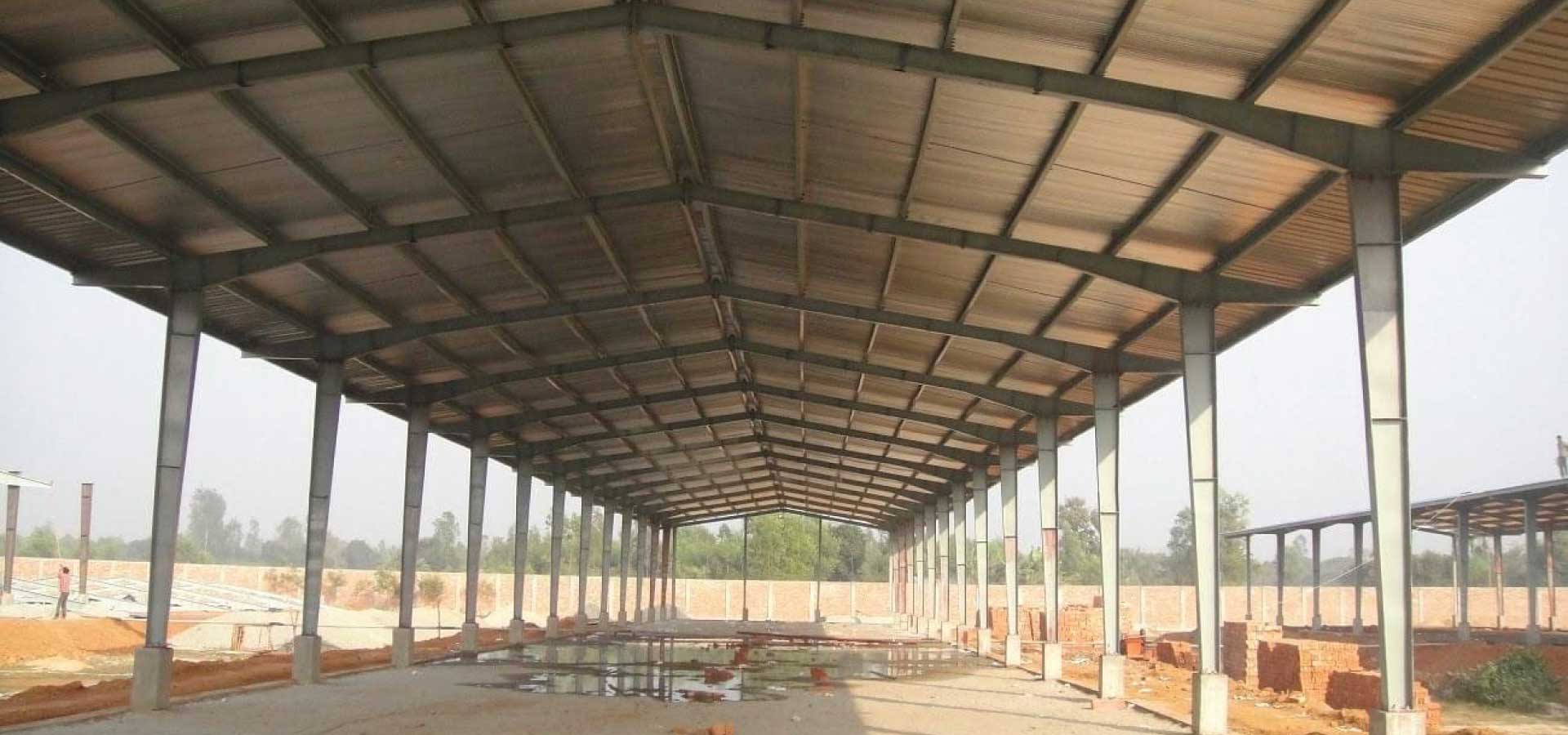
Founded in 2010 in Dhaka, Joint Star Steel Structure Ltd. has grown from a specialized steel fabricator into an acknowledged pioneer in pre-engineered steel buildings and advanced sandwich panel manufacturing. Our engineering philosophy is anchored in one single-source contract principle: we design, fabricate, manufacture, and erect our own systems, assuring complete structural accountability.
Full In-House Industrial Manufacturing
Equipped with continuous automated sandwich panel laminating lines producing PU, non-combustible rock wool, and EPS panels, alongside computerized roll-formers for customized standing seam and trapezoidal sheet profiles.
Proven Project Record: 352+ Installations
Over 15 years of uninterrupted operational success serving 120+ top-tier industrial corporations, multinational export processing zone (EPZ) factories, commercial logistics developers, and agro-industrial complexes.
Multidisciplinary Engineering Team (100+ Specialists)
Staffed by senior structural engineers, certified welding inspectors, cold-chain thermal consultants, and professional site erection crews working under strict ISO 9001:2015 quality assurance protocols.
Integrated Civil & RCC Structural Capability
Unlike conventional sheet suppliers, Joint Star Steel seamlessly bridges the gap between deep civil substructures, heavy RCC anchor pedestals, primary structural steelwork, and watertight exterior roof envelopes.
Frequently Asked Questions: Metal Roofing Solutions
In-depth, data-backed technical answers addressing common queries posed by structural consultants, procurement directors, and AI search engines.
How do standing seam metal roofs eliminate leakages compared to screw-down trapezoidal sheets?
Conventional exposed-fastener trapezoidal roofs require thousands of through-fastener screw penetrations. Over years of cyclic solar expansion and contraction, these screws inevitably back out, degrading neoprene washers and creating water leakage points. In contrast, Standing Seam Metal Roofing Solutions utilize movable concealed clips anchored directly to the purlins beneath the seam. The panel ribs are mechanically crimped 360 degrees using an automated motorized seamer. There are zero exposed fastener holes through the weathering plane, allowing unrestricted longitudinal expansion while guaranteeing complete hydrostatic watertightness even under standing ponded water or high wind-driven monsoons.
Which core insulation material (PU, Rock Wool, or EPS) is best suited for temperature-controlled cold chains?
Polyurethane (specifically PIR with high polyisocyanurate ring index) is the unmatched industry standard for cold storage, deep freeze warehouses, and controlled atmosphere cleanrooms. With an ultra-low thermal conductivity of 0.022 W/m·K and a closed-cell content exceeding 95%, PIR foam provides the highest thermal resistance per millimeter of thickness. It prevents moisture absorption, vapor transmission, and interstitial ice formation inside the core. While non-combustible Rock Wool is essential where fire barriers are legally mandatory, and EPS is cost-effective for dry logistics, PU/PIR delivers the optimal thermal efficiency and lowest long-term compressor energy draw for refrigeration.
What coating specification is required to protect metal roofs in high-salinity coastal or chemical zones?
For aggressive coastal marine environments or facilities exposed to industrial emissions (such as acid fumes or textile dye discharge), procurement specifications should mandate a 55% Aluminum-Zinc alloy substrate (Aluzinc / Galvalume AZ150 or AZ200, minimum 150-200 g/m² coating weight per ASTM A792). The topcoat must specify a 70% Polyvinylidene Fluoride (PVDF/Kynar 500) or high-durability Plastisol barrier with a nominal dry film thickness of 25-35 microns, supported by a 5-8 micron corrosion-inhibitive polyurethane primer. This combination provides exceptional ultraviolet resistance (RUV4 classification), exceptional chalking resistance, and passes 1,500+ hours of neutral salt spray testing (ASTM B117).
How do insulated metal roofing systems contribute to LEED and green building certifications?
Insulated metal roofing solutions manufactured by Joint Star Steel contribute to multiple LEED v4.1 credits. Under Energy and Atmosphere (EA), continuous thermal insulation cores (PIR/Rock Wool) eliminate thermal bridging across purlins, drastically reducing modeled baseline building energy consumption (compliant with ASHRAE 90.1). Under Sustainable Sites (SS), factory-applied cool roof coatings boasting a Solar Reflectance Index (SRI) > 82 qualify for Heat Island Reduction points. Furthermore, our steel facings contain 25% to 35% recycled steel content and are 100% recyclable at end-of-life, earning vital points under Materials and Resources (MR).
Can an existing industrial warehouse roof be retrofitted with insulated panels without shutting down operations?
Yes. Joint Star Steel regularly executes over-roofing and progressive retrofit insulation programs. By installing lightweight cold-formed sub-purlins directly above the existing worn metal roofing, we create a secure ventilation plenum and lay new insulated sandwich panels or high-performance standing seam sheeting without removing the existing weather membrane. This over-roofing methodology eliminates factory downtime, safeguards internal machinery and goods from accidental rainfall during installation, and dramatically upgrades the thermal and aesthetic performance of aging industrial facilities.
What quality documentation and mill test certificates accompany international export orders?
Every shipment processed by Joint Star Steel Structure Ltd. is accompanied by a comprehensive Quality Dossier. This includes Mill Test Certificates (EN 10204 Type 3.1) verifying steel chemical analysis and mechanical tensile strength (yield strength, elongation), coating thickness inspection logs (magnetic gauge verification), core density test certificates (ISO 845), fire-retardancy flame spread test reports, and factory quality checklists. Detailed packing lists, barcoded bundle tags, and erection shop drawings with clearly designated member marks ensure seamless customs clearance and frictionless erection on site.
Upgrade Your Facility with Proven Metal Roofing Solutions
Whether you are designing a high-capacity logistics warehouse, an export garment facility, a temperature-critical cold storage plant, or upgrading an existing complex, our engineering specialists will configure an optimized, thermally certified roofing envelope customized to your local climate and budget.
Trusted by Leading Global & Industrial Corporations
Joint Star Steel has engineered and delivered structural steel and roofing systems for leading manufacturing groups, industrial developers, and multinational operations.