Industrial Shutter Doors Procurement Guide: Engineering Specifications, Thermal Integration & Global Sourcing Trends for Modern PEB Facilities
How do global procurement managers and structural engineers evaluate, specify, and integrate high-performance Industrial Shutter Doors into pre-engineered steel buildings, logistics hubs, and cold storage networks? An exhaustive analysis of structural integrity, windload calculations, thermal barrier science, and future automation trends by Joint Star Steel Structure Ltd.
Engineering WhitepaperUpdated for Global B2B BuyersISO / EN 13241-1 Structural Compliance15+ Years Structural Fabrication
Strategic Role of Industrial Shutter Doors in Modern Facility Architecture
In modern industrial architectural design and logistics engineering, Industrial Shutter Doors represent far more than simple access barriers. They serve as the critical dynamic operational interface between controlled internal warehouse environments and variable external weather conditions. Whether installed in pre-engineered steel buildings (PEB), automated distribution centers, chemical storage plants, or cold chain logistics facilities, industrial roller shutter systems directly dictate operational throughput, structural wind load resilience, thermal efficiency, and overall security.
For international buyers, project consultants, and structural engineers, selecting the correct industrial shutter door configuration requires an in-depth understanding of structural framing integration, mechanical curtain deflection, cycle-frequency endurance, and thermal break engineering. As a premier manufacturer established in 2010 with over 352 completed industrial projects across international markets, Joint Star Steel Structure Ltd. combines structural steel engineering with specialized industrial door design to eliminate interface risks and maximize building longevity.
Recommended Product Configurations for Heavy-Duty Industrial Shutter Doors
To meet diverse functional demands across heavy manufacturing, pharmaceutical warehousing, and high-frequency logistics docks, we manufacture and engineer four primary categories of industrial shutter door systems. Each system is custom-fabricated with tailored slat profiles, guide tracks, motor drive mechanisms, and safety sensors.
1. Insulated PU-Core Roller Shutter Doors
Engineered specifically for temperature-controlled warehouses, food processing facilities, and energy-efficient PEB structures. These doors feature double-walled galvanized steel or aluminum slats filled with high-density polyurethane (PU) foam insulation (40 kg/m³ density). By forming a continuous thermal barrier alongside insulated wall cladding, these shutter doors dramatically lower facility HVAC cooling and heating expenditure while reducing ambient noise transmission by up to 28 dB.
2. High-Strength Heavy-Duty Steel Roller Shutters
Designed for large-span openings, high-wind coastal environments, and high-security industrial compounds. Utilizing roll-formed cold-rolled galvanized steel slats (thickness ranging from 0.8mm to 1.5mm), these doors feature continuous end-locks and heavy-duty side guide channels equipped with wind-anchors. Designed to withstand wind speeds up to Class 4 (EN 12424) or over 140 km/h, making them ideal for wide structural bays in pre-engineered steel buildings.
3. High-Speed Rapid Roll & Spiral Doors
Purpose-built for high-frequency traffic zones in distribution hubs and cleanroom environments. Operating at opening speeds between 1.2 m/s and 2.5 m/s, these rapid-acting shutter doors minimize air exchange duration, preventing dust ingress, pest contamination, and energy loss. Equipped with variable-frequency drive (VFD) motors, soft-start/soft-stop acceleration curves, and non-contact infrared safety light curtains for maximum operational safety.
4. Fire-Rated & Emergency Drop Shutter Doors
Critical passive fire protection systems designed to isolate building compartments during fire emergencies. Certified for 2-hour, 3-hour, or 4-hour fire endurance ratings (BS EN 1634-1 / UL 10B), these steel composite shutters automatically descend upon receiving a signal from the building’s fire alarm panel or fusible thermal links, preventing fire and toxic smoke propagation through wall openings.
Technical Engineering Matrix: Industrial Shutter Door Selection Guide
Below is a comparative technical specification matrix designed to assist procurement engineering teams in matching door performance characteristics with project requirements:
Performance Attribute
Heavy-Duty Steel Shutter
Insulated PU Shutter
High-Speed Rapid Door
Fire-Rated Shutter
Primary Material
Hot-Dip Galvanized Steel
Galvanized / Alum + PU Core
High-Density PVC / Aluminum Slats
Fire-Resistant Double-Walled Steel
Slat Thickness
0.8 mm – 1.5 mm Solid
40 mm – 80 mm Insulated Slat
2.0 mm Fabric / 20mm Slat
1.2 mm – 1.5 mm Composite
Opening Speed
0.15 – 0.25 m/s
0.15 – 0.30 m/s
1.2 – 2.5 m/s (VFD Inverter)
0.12 – 0.20 m/s (Controlled Gravity)
Thermal Conductivity (U-Value)
N/A (Uninsulated)
0.55 – 0.85 W/m²K
1.2 – 2.2 W/m²K
1.5 – 2.5 W/m²K
Wind Resistance Class
Class 4 (>140 km/h)
Class 3 - Class 4
Class 2 - Class 3
Class 2
Cycle Life Expectancy
50,000 – 100,000 cycles
50,000 – 80,000 cycles
500,000 – 1,000,000 cycles
20,000 cycles (Emergency Focus)
Typical Application
Warehouses, Steel Mills, Hangars
Cold Storage, Pharma, Cleanroom
Logistics Hubs, High Traffic Bays
Fire Walls, Hazmat Storage
Technical & Industry Development Trends in Industrial Shutter Doors
The industrial door industry is undergoing a technological transition driven by industrial automation, energy conservation standards, and smart factory architecture. Key technological developments include:
Smart IoT Integration & Predictive Maintenance: Modern industrial shutter doors are increasingly equipped with integrated PLC control boards with IoT connectivity. Real-time sensors track motor winding temperatures, vibration metrics, cycle counts, and brake wear. Predictive algorithms alert plant maintenance engineers before mechanical fatigue causes unexpected operational downtime.
Advanced Thermal Breaks & Perimeter Sealing: To meet ultra-low energy building codes (such as LEED Gold and Zero Carbon Warehouses), shutter slats now feature EPDM weather seals, side brush inserts, and rubber bottom weather-strips. When paired with PU Sandwich Panels, these doors eliminate thermal bridging at structural door openings.
Composite Lightweight Materials: High-tensile pre-painted steel alloys and aluminum extruded profiles allow doors to achieve larger clear spans without increasing total curtain weight, allowing smaller, more efficient electric drive motors that reduce power consumption.
Integrated Multi-Layer Safety Controls: Safety requirements now mandate redundant protection systems. Modern doors incorporate dual-beam photocells, wireless safety bottom edges, visual strobe indicators, and radar motion detectors that automatically reverse door travel if an obstruction is detected.
Future Global Procurement & Sourcing Trends for Industrial Buyers
In global procurement, engineering managers and buyers are changing how they evaluate and source industrial building accessories. Major sourcing trends include:
Single-Source Integrated Steel Supply Packages: Sourcing industrial shutter doors separately from the main steel structural contractor frequently leads to misaligned door jamb framing, inadequate fixing bracket supports, and split warranty disputes. Global buyers are moving toward integrated procurement packages where structural frame design, sandwich wall cladding, and door hardware are produced under a single manufacturing contract by a full-service provider like Joint Star Steel.
Total Cost of Ownership (TCO) Prioritization: Rather than prioritizing the lowest initial purchase price, procurement audits now assess total lifecycle costs. A premium insulated high-speed shutter door often pays for itself within 18 to 24 months through HVAC electricity savings and reduced dock waiting times.
Pre-Assembled Export Knock-Down Packaging: International logistics require modular packaging that fits standard 40ft High Cube containers. High-quality vendors provide factory pre-wired control panels, color-coded wiring harnesses, pre-drilled track guides, and clear erection drawings to ensure rapid site installation anywhere in the world.
Joint Star Steel Structure Ltd. stands as a pioneer in steel building design, fabrication, and building envelope manufacturing in Bangladesh. Established in 2010 under the founding core value “Your Future in Your Home”, our company has grown to over 100 seasoned structural engineers, master fabricators, and erection specialists.
Our competitive advantages for international procurement include:
Proven Project Track Record
Over 352 successfully delivered projects for 120+ corporate and industrial clients, ranging from heavy industrial steel mills to high-precision cold storage facilities.
Complete Structural & Cladding Synergy
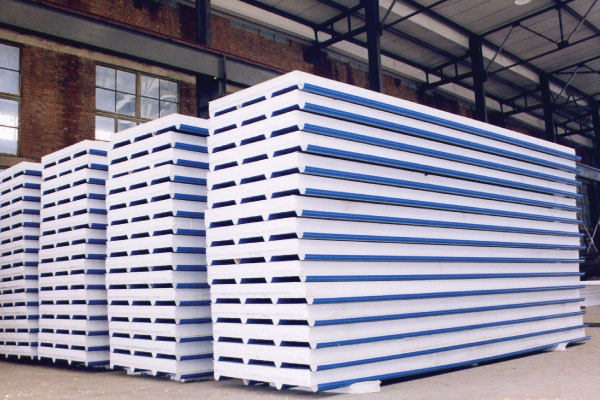
We manufacture Pre-Engineered Buildings (PEB), EPS/PU/Rock Wool sandwich panels, and industrial doors under one quality management system, guaranteeing flawless structural fit and zero site rework.
Rigorous Quality Assurance & Export Standard Packing
Every steel profile and door component undergoes strict dimensional checks, weld ultrasonic testing, and protective surface treatments before export packing.
15+Years of Engineering Excellence (Since 2010)
Frequently Asked Questions (FAQ) for Global Procurement Officers
Below are authoritative answers to the most frequently asked technical and commercial queries raised by global procurement teams and structural engineering consultants regarding Industrial Shutter Doors:
Q1: How do wind load calculations affect the structural selection of heavy-duty industrial shutter doors?
Wind load resistance is a critical design metric, especially for wide-span industrial doors in coastal or typhoon-prone regions. Wind pressure exerts a uniform horizontal load across the shutter curtain, causing deflection that can pull the door slats out of their side guide tracks if incorrectly calculated. Joint Star Steel engineers calculate dynamic wind loads based on local wind speeds (e.g., ASCE 7 or EN 1991 standards), door height-to-width ratios, and building exposure factors. We incorporate heavy-gauge steel slats, wind-anchor clips, and reinforced guide channels to ensure the door complies with Class 3 or Class 4 wind load ratings without permanent structural deformation.
Q2: What is the optimal method for installing industrial shutter doors into PU sandwich panel walls?
Directly fastening heavy door guide channels onto lightweight sandwich wall panels can lead to mechanical connection failure due to operational vibration and door weight. The correct engineering practice requires installing a dedicated structural steel sub-frame (such as cold-formed C-channels or hollow structural sections) directly anchored to the primary PEB building columns and slab. The sandwich panels are trimmed neatly around this sub-frame, and the joint is sealed with thermal break insulation and flashings to prevent cold bridging and moisture infiltration.
Q3: How do automated high-speed shutter doors reduce HVAC energy consumption in refrigerated facilities?
Refrigerated and cold-storage facilities experience massive thermal losses whenever loading dock doors open. Traditional roller shutters move at 0.15 m/s, remaining open for minutes during forklift passes and allowing cold air to spill out while hot, humid air enters, leading to evaporator icing and high electricity consumption. High-speed rapid roll doors operate at speeds up to 2.5 m/s and feature automated proximity sensors (such as radar or loop detectors) that open the door just in time and close it immediately after passage, reducing total open door time by up to 80% and dropping facility refrigeration energy costs substantially.
Q4: What key certifications and safety features should be verified for fire-rated industrial shutter doors?
Procurement managers must verify that fire-rated shutters carry official test certification under international standards such as BS EN 1634-1, UL 10B, or GB 14102. Key safety features include an integrated fire-rated motor control box, dual fusible links that melt at 74°C to trigger controlled gravity descent if electrical power fails, speed governors to prevent uncontrolled free-fall, and optical safety bottom edges that stop descent if an obstacle blocks the fire doorway path during non-emergency drops.
Q5: How does Joint Star Steel ensure easy site assembly and low maintenance for export orders?
For international shipments, all industrial shutter doors are pre-assembled and test-run in our factory prior to dismantling. Components are marked with unique identification tags corresponding to detailed erection drawings and electrical wiring schematics. Control panels arrive pre-wired with plug-and-play connections, and drive motors feature sealed-for-life bearing assemblies that require zero routine lubrication, minimizing site labor time and operational maintenance costs.
Ready to Engineer Your Industrial Building Solution?
Consult with our senior structural engineers and industrial door specialists today. We provide free structural concept reviews, technical CAD drawings, and factory-direct price quotes for your international projects.