The Global Buyer's Guide to Color Coated Steel Sheets: Technical Specifications, Lifecycle Durability, Market Trends, and Procurement Strategies
From metallurgical substrate integrity (PPGI vs. PPGL) and micro-layer paint coatings (PE, SMP, HDP, PVDF) to cross-border logistics and anti-corrosive performance, explore the definitive engineering reference developed by Joint Star Steel Structure Ltd. — Dhaka's trusted pioneer in pre-engineered buildings and prepainted sheet solutions since 2010.
Anatomy & Structural Architecture of Color Coated Steel Sheets
Understanding multi-layer coating systems to prevent delamination, cut-edge corrosion, and photo-oxidation across demanding industrial microclimates.
The Metallurgical Layer Architecture
A premium color coated steel sheet is never just painted sheet metal. It is an engineered composite system designed to deliver continuous cathodic protection and chemical resistance against corrosive industrial sulfur dioxides, chlorides, and solar UV radiation. At Joint Star Steel, our raw coil coating lines utilize a continuous multi-stage coil coating process complying rigorously with international testing protocols (ASTM A755, EN 10169, and JIS G3312).
The composite structure comprises six tightly controlled micro-layers:
1. Cold-Rolled Steel Substrate Core
Structural base steel (yield strengths from 250 MPa to 550 MPa, ASTM A653 / DX51D) providing tensile strength, span load bearing, and high deflection resistance under wind and seismic stress.
2. Metallic Sacrificial Alloy Coating
Hot-dip pure Zinc (Z80 to Z275 g/m² for PPGI) or 55% Aluminum-Zinc alloy (AZ100 to AZ150 g/m² for PPGL). Provides galvanic sacrificial boundary protection if the base steel becomes scratched during installation.
3. Chemical Conversion & Passivation Complex
Chromate or eco-friendly zirconium-based chemical conversion films that neutralize microscopic zinc oxides and create an active mechanical key for primer adhesion.
4. Corrosion-Inhibiting Primer Film (5µm – 7µm)
Flexible polyurethane or epoxy primers embedded with strontium or zinc phosphate anticorrosive pigments, preventing blister creep under salt-fog environments.
5. High-Performance Architectural Top Coat (18µm – 25µm)
The exterior weather barrier formulated in PE, SMP, HDP, or PVDF polymers containing ceramic or inorganic IR-reflective pigments to maintain gloss and resist micro-cracking.
6. Protective Backer System (5µm – 8µm)
Backside protective grey epoxy or polyester finish engineered to bond cleanly with polyurethane (PU), polyisocyanurate (PIR), or EPS cores in insulated sandwich panel manufacturing.
C4/C5Corrosion Resistance Category Available
Engineering Selection Matrix: Top Coating Chemistry for Color Coated Steel Sheets
Coating Resin System
Polymer Composition
Expected Lifespan
Chalk & Fade Rating
Recommended Industrial Application
Cost Index
Regular Modified Polyester (PE)
Linear or branched polyester resin with amino crosslinkers
8 – 12 Years
Moderate (ASTM D4214 Rating 6)
Standard warehouses, indoor partitions, commercial sheds in C1-C2 rural environments
Baseline (1.0x)
Silicon Modified Polyester (SMP)
Polyester resin backbone blended with 30-50% silicone intermediates
Maximum exterior endurance, outstanding color stability
Severe coastal marine areas (C4/C5), chemical processing plants, prestige structures
1.85x – 2.10x
*Dry Film Thickness (DFT): Standard top coat 20µm + primer 5µm, bottom coat 7µm. Total dry film thickness 32µm nominal. Adhesion rating: ASTM D3359 5B. T-Bend: ≤ 2T without cracking or flaking.
Product Configurations
Recommended Color Coated Steel Sheet Systems
Engineered to balance architectural elegance, aerodynamic structural rigidity, and optimal thermal deflection for international B2B buyers.
Industrial Roofing
Trapezoidal Rib Profile (Box Profile)
Featuring deep 32mm–38mm crest ribs with engineered anti-capillary siphoning grooves. Maximizes rainwater discharge velocity on low-pitch industrial roofs (≥ 3°) while guaranteeing structural diaphragm strength against gusting monsoons.
Substrate: 55% Al-Zn Galvalume alloy (AZ120) with PVDF fluorocarbon architectural coating. Formulated for prestige pre-engineered building envelopes, corporate campuses, and showrooms demanding zero color deviation over decades.
Designed with concealed stainless-steel holding clips and mechanized 360-degree double-lock seaming. Eliminates through-fastener holes, achieving leak-free thermal expansion and contraction over continuous 60-meter spans.
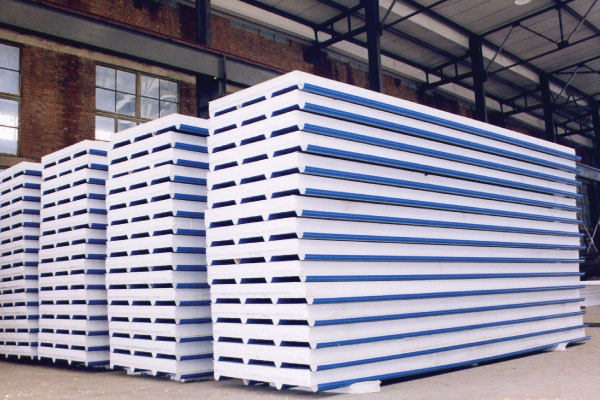
Precision-calibrated gauge (0.40mm – 0.70mm) prepainted steel coils with corona-treated backer primers. Engineered specifically for high peel-strength bonding with EPS, Polyurethane, and high-density Rock Wool cores.
Manufactured using complex inorganic reflective pigments (IR-reflectors) achieving a Solar Reflectance Index (SRI) > 78. Decreases building skin surface temperatures by up to 18°C and reduces indoor HVAC operational loads.
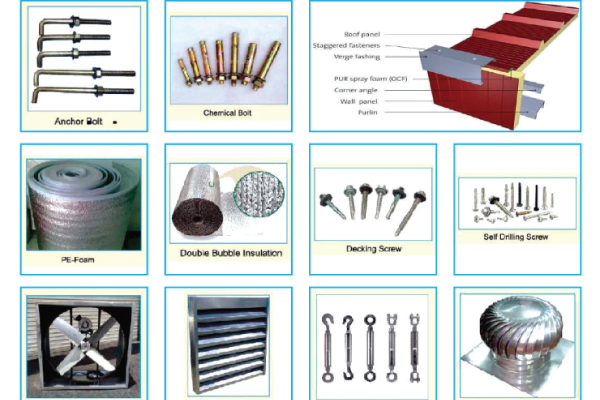
CNC cold-formed ridge vents, eaves flashings, crimped curved ridges, downspouts, and valley gutters matched precisely to main roof coils to eliminate thermal galvanic variation across structural interfaces.
Global Procurement Trends: Navigating Steel Markets in 2025–2035
How forward-thinking procurement directors, EPC contractors, and supply chain managers mitigate geopolitical volatility, carbon taxation, and raw material pricing cycles.
1. Decarbonization & Green Steel Transition (CBAM Readiness)
With the European Union Carbon Border Adjustment Mechanism (CBAM) entering full financial enforcement and global markets demanding Scope 3 greenhouse gas reporting, procurement teams are actively migrating away from traditional blast furnace (BF-BOF) steel coils. The new benchmark favors color coated steel coils processed from Electric Arc Furnace (EAF) steel with certified recycled scrap content and renewable-powered continuous paint lines. Joint Star Steel works closely with certified upstream steel suppliers to provide full environmental product declarations (EPD) and verifiable carbon footprint accounting.
2. Hedging Volatility via Index-Linked Contracting
Global prices for zinc ingot (LME Zinc) and hot-rolled coil (HRC) feedstock fluctuate unpredictably due to macro-monetary cycles and energy tariff shifts. Sophisticated B2B buyers have abandoned fixed-price forward bids in favor of rolling quarterly indices, paired with forward coil-booking formulas. By partnering directly with Joint Star Steel's established fabrication and manufacturing supply network in Dhaka, international buyers secure predictable scheduled production slots and hedge currency risks efficiently.
3. Supply Chain Regionalization & South Asian Hub Sourcing
Supply chain disruptions, maritime canal congestion, and anti-dumping duties targeting single-source manufacturing hubs have accelerated the diversification of industrial steel procurement. Bangladesh has emerged as an agile, highly competitive structural steel and pre-engineered envelope production hub. With state-of-the-art roll forming, low operating overheads, and preferential export logistics via Chattogram Port, international clients achieve 12% to 22% total cost reductions without compromising on international ASTM or EN quality parameters.
4. Digital Traceability & Batch Mill Certification
AI-driven ERP inventory control systems now require millimeter-accurate specifications and digital batch tracking. Modern procurement mandates that every crate and bundle of color coated sheets carries an individual QR code linking to:
Base steel heat number, ladle chemical analysis (C, Si, Mn, P, S), and tensile yield strength test graphs.
Zinc/Al-Zn alloy coating mass test reports (Triple Spot Test ASTM A924).
Continuous coil line Dry Film Thickness (DFT) mapping log across both top and back coats.
Accelerated salt-spray (ASTM B117) and QUV artificial weathering verification.
Product Development Trends in Coil Coating Technology
Transforming static building skins into active, thermally intelligent, self-cleaning, and biocide-resistant environmental barriers.
Photocatalytic Self-Cleaning Nanocoatings
By incorporating nanoscale titanium dioxide (TiO2) into the top polymer matrix, ultraviolet rays decompose surface organic soot and atmospheric particulates. The surface becomes superhydrophilic: rainwater sheets off uniformly rather than beading, naturally lifting dirt and drastically reducing manual roof maintenance expenses.
Antimicrobial & Food-Safe Formulations
Targeting pharmaceutical warehouses, commercial cleanrooms, and food processing complexes, advanced color coated sheets are synthesized with non-leaching silver ion (Ag+) additives. This inhibits 99.9% of bacterial colonization (Staphylococcus aureus, E. coli) while resisting rigorous daily sanitization washdowns with aggressive chemical detergents.
BIPV Rooftop Photovoltaic Integration
As commercial factories adopt rooftop solar arrays, traditional color coated sheets fail under micro-fretting corrosion caused by solar mounting clamps. Modern formulations utilize high-hardness polyfluorocarbon topcoats (pencil hardness ≥ 3H) capable of withstanding 30 years of continuous micro-vibrations and localized high-temperature baking under solar panels.
Enterprise Authority
Why Global Industrial Buyers Partner with Joint Star Steel
Headquartered in Uttara, Dhaka, Joint Star Steel Structure Ltd. has operated continuously since 2010 under the philosophy “Your Future in Your Home”. We combine structural steel engineering with specialized downstream roll-forming and sandwich panel manufacturing to guarantee uncompromised quality.
Full Vertical Integration Under One Roof
We eliminate subcontractor margin stacking and communication bottlenecks. From raw color coated coil sourcing, structural design, and CNC roll-forming to EPS/PU/Rockwool sandwich panel lamination and turnkey civil erection, we take end-to-end accountability.
Proven Track Record Across 352+ Industrial Projects
Over 15 continuous years serving 120+ leading corporate groups, multinationals, and export-oriented garment, textile, pharmaceutical, and logistics giants across Bangladesh and overseas regions.
100+ Seasoned Engineers & Technical Fabricators
Our dedicated engineering department conducts structural finite element analysis (FEA), wind pressure calculations conforming to BNBC / ASCE 7 codes, and stringent quality assurance across every batch.
Comprehensive In-House Testing Laboratory
Every lot undergoes stringent verification for Dry Film Thickness (ASTM D7091), MEK solvent double-rub cure rating, Cross-Hatch Adhesion (ASTM D3359), and T-Bend flexibility before shipping to job sites.
Frequently Asked Questions on Color Coated Steel Sheets
Technical guidance addressing real questions frequently asked by international engineering consultants, structural designers, and procurement professionals.
What is the metallurgical difference between PPGI and PPGL color coated steel sheets?
The primary difference lies in the metallic alloy substrate applied to the cold-rolled base steel before painting. PPGI (Pre-Painted Galvanized Iron) utilizes a 100% Zinc metallic coating (Z80 to Z275 g/m²). Zinc provides active sacrificial (cathodic) protection, making PPGI the superior choice in alkaline agricultural buildings (e.g., animal husbandry facilities where ammonia is present). In contrast, PPGL (Pre-Painted Galvalume) uses an alloy of 55% Aluminum, 43.4% Zinc, and 1.6% Silicon (AZ100 to AZ150 g/m²). The aluminum forms an impermeable microscopic alumina barrier while the zinc preserves sacrificial protection at sheared edges. Under typical atmospheric, industrial, and coastal settings, PPGL delivers 2 to 4 times the service lifespan of traditional PPGI.
Which paint coating system (PE, SMP, HDP, PVDF) should be specified for high UV or coastal installations?
For installations situated within 5 km of an ocean coastline, in heavy chemical industrial corridors, or in equatorial high-UV environments (classified as ISO 12944 C4 or C5 corrosive categories), PVDF (Polyvinylidene Fluoride) or premium HDP (High-Durability Polyester) is strictly recommended. PVDF contains at least 70% fluorocarbon resin (Kynar 500 or Hylar 5000), which features unbreakable Carbon-Fluorine chemical bonds that resist photolytic cleavage. This ensures gloss retention over 80% and a color variation (ΔE) of less than 5 units after 20 to 30 years of direct solar exposure. Regular Modified Polyester (PE) is suitable for low-corrosive inland C1-C2 buildings but will exhibit chalking and color fading within 7 to 10 years in severe microclimates.
What is the standard Dry Film Thickness (DFT) and how should it be tested on arrival?
The standard architectural specification for color coated steel sheets is a total top-surface DFT of 20µm to 25µm (consisting of 5µm epoxy or polyurethane primer and a 15–20µm topcoat), complemented by a 5µm to 8µm protective backer coat. To verify quality during receiving inspection, procurement engineers should utilize an electronic magnetic or eddy-current gauge according to ASTM D7091 / ISO 2808. Additionally, three critical laboratory tests verify paint performance: (1) Cross-Hatch Adhesion Test (ASTM D3359 Method B, requiring a 4B or 5B rating with zero flaking), (2) Methyl Ethyl Ketone (MEK) Solvent Rub Test (ASTM D5402, requiring >100 double rubs to verify polymer curing), and (3) T-Bend Flexibility Test (ASTM D4145, requiring ≤2T bend without microscopic crazing).
How does Joint Star Steel prevent cut-edge corrosion and white rust during transoceanic shipping?
Cut-edge corrosion occurs when sheared steel edges are exposed without passivation. We mitigate this through controlled die shearing, chemical passivation films, and proprietary roll tooling that reduces mechanical edge stress. To prevent moisture condensation, "white rust" (zinc hydroxide), and transit wet-storage staining during maritime ocean freight, Joint Star Steel follows rigorous international export packaging protocols: every package is sealed with vapor corrosion inhibitor (VCI) anti-rust film, heavy-duty waterproof Kraft paper, galvanized outer and inner steel corner protectors, corrugated outer steel wraps, and high-tensile radial and circumferential steel straps. Desiccant bags are placed in every export container to regulate relative humidity below critical dew points.
Can Joint Star Steel produce custom RAL colors, custom profiles, and matching flashing systems?
Yes. Joint Star Steel provides precise computerized spectrophotometer color matching across the full international RAL Classic system (including widely specified industrial tones such as RAL 5012 Light Blue, RAL 9002 Grey White, RAL 6005 Moss Green, and RAL 7016 Anthracite Grey). Furthermore, we manufacture all complementary building components—including 3m to 6m CNC brake-formed ridge caps, corner flashings, drip trims, louver frames, and continuous perimeter gutters—from the exact same master coil batch to guarantee 100% color uniformity and prevent differential aging across the completed building envelope.
What is the minimum order quantity (MOQ) and production lead time for export orders?
For standard catalog profiles and popular RAL color shades, our flexible production scheduling accommodates smaller initial trial runs (from 5 to 10 metric tons). For custom coil coating campaigns with specialized DFT, custom metallic pigments, or non-standard substrate thicknesses (0.30mm to 1.20mm), the typical MOQ is one full 20ft container load (~25 to 28 metric tons). Typical fabrication and roll-forming lead times range between 10 and 21 business days upon LC confirmation, with direct dispatch through Chattogram Seaport or overland bonded transit routes.
Consult with our structural engineering and coil specialists today. Receive comprehensive technical data sheets, coating warranty schedules, and competitive factory-direct pricing for your next industrial project or coil procurement campaign.