Technical Guide & Strategic Procurement Analysis: Engineering High-Performance PU Sandwich Panels for Sustainable Industrial Infrastructure
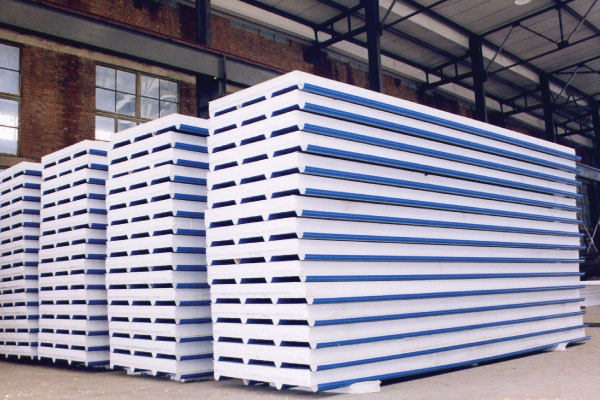
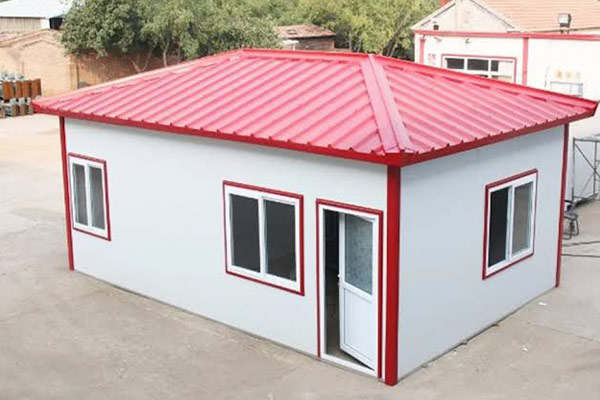
As industrial thermal efficiency regulations tighten globally and cold-chain logistics demand zero-thermal-bridge performance, international procurement officers and structural engineers are increasingly standardizing on rigid Polyurethane (PUR) and Polyisocyanurate (PIR) core cladding systems. Formulated with a closed-cell microcellular structure, PU Sandwich Panels deliver an extraordinary thermal conductivity coefficient ($\lambda \approx 0.018 - 0.022 \text{ W/m}\cdot\text{K}$), making them the gold standard for cold storage facilities, pharmaceutical cleanrooms, energy-efficient PEB factories, and modular commercial enclosures worldwide.
The Microcellular Advantage of PU & PIR Sandwich Panels
Understanding the physics of thermal transfer, foam density stabilization, and structural skin bonding is critical for long-term facility asset performance.
The primary advantage of PU Sandwich Panels over alternative insulants lies in their rigid thermosetting polymeric core. Formed through an exothermic reaction between polyols and isocyanates in the presence of eco-friendly blowing agents (such as Pentane or hydrofluoroolefins - HFOs), the resulting rigid foam achieves a closed-cell content exceeding 95%. This microscopic matrix traps blowing gas within tiny, un-connected cells, preventing convection and radiant heat transport across the building envelope.
Superior R-Value per Unit Thickness
Polyurethane provides nearly double the thermal resistance (R-value) of Expanded Polystyrene (EPS) and Mineral Wool of equal thickness. A 100mm PU sandwich panel achieves a U-value of approximately $0.20 \text{ W/m}^2\text{K}$, enabling slimmer wall profiles, increased interior usable floor area, and dramatically reduced HVAC capital investment for commercial owners.
Impermeable Moisture & Vapor Barrier
Thanks to its closed-cell hydrophobic nature, rigid PU core foam resists water absorption (<1% by volume under immersion). Unlike mineral wool, which deteriorates rapidly and loses thermal resistance when exposed to moisture condensation, PU panels maintain constant thermal insulation capacity across decades in high-humidity industrial environments.
High Shear & Flexural Strength
Continuous foam injection under high pressure creates a monolithic structural composite. The rigid polyurethane core bonds auto-adhesively to structural steel facings (PPGI / PPGL / Stainless Steel), converting the sandwich assembly into a diaphragm capable of spanning long distances between secondary purlins without buckling.
Advanced PIR Fire Retardancy
By adjusting the chemical index to form Polyisocyanurate (PIR) ring structures, our advanced PIR sandwich panels form a protective carbonaceous char layer when exposed to flame, achieving B-s1, d0 fire ratings under EN 13501-1 and meeting stringent factory mutual insurance parameters.
Factory Direct Supply
Engineered PU Sandwich Panel Product Configurations
Tailored structural profiles, core densities, and joinery systems customized for architectural, industrial, and thermal envelope applications.
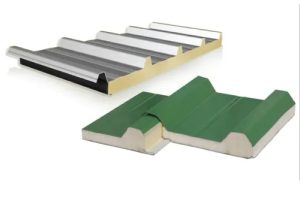
Featuring precision-milled tongue-and-groove joints integrated with internal cam-lock hardware or dual-gasket sealing. Available in thicknesses from 75mm to 200mm ($40\pm2 \text{ kg/m}^3$ density) for freezing tunnels ($-40^\circ\text{C}$) and food processing facilities.
Engineered with 3-rib or 5-rib high-standing crests to provide extreme section modulus against heavy rain, solar PV installation dead loads, and maintenance foot traffic. Features overlapped anti-capillary side laps to eliminate water penetration.
Designed for premium commercial facades and PEB office buildings. Fasteners are completely hidden inside the interlocking joint profile, protecting screws from atmospheric corrosion while delivering a sleek, unbroken architectural surface.
A side-by-side empirical performance evaluation engineered to assist structural designers and procurement managers in optimizing project specifications.
* Technical data based on Joint Star Steel continuous manufacturing standards. Custom steel skin coatings (AZ150 Galvalume, PVDF, HDP, Food-grade PVC film) are specified based on site corrosive classification (C1-C5 under ISO 12944).
Strategic Horizon
Future Procurement & Technological Trends in PU Sandwich Panels
Key developments shaping global supply chains, green building codes, and modular prefabricated steel construction over the next decade.
Rapid Transition to High-Index PIR Chemistry
Global fire safety codes and industrial property insurers (such as FM Global) are driving a rapid transition from basic PUR to high-isocyanurate index PIR cores. PIR panels deliver superior flame self-extinguishing capabilities, lower smoke toxicity (s1 rating), and zero flaming droplets (d0 rating).
Environmental regulations like the Kigali Amendment are pushing manufacturers to abandon HCFC blowing agents in favor of fourth-generation Hydrofluoroolefins (HFOs) and Cyclopentane. Joint Star Steel utilizes zero-Ozone Depletion Potential (ODP) and near-zero Global Warming Potential (GWP) blowing tech.
BIM Integration & Off-Site Modular Prefabrication
Procurement is shifting toward custom precut panel lengths matched directly to BIM (Building Information Modeling) software outputs. Panels arrive on site bundled in sequence with pre-punched holes and hidden clip joinery, reducing on-site construction waste by up to 90% and accelerating erection speed.
Solar Photovoltaic (PV) Integrated Roof Profiles
With Net-Zero industrial mandates, PU roof panels are increasingly designed with integrated structural standing seams or load-optimized crest ribs that accept non-penetrating solar panel clamps, preventing leaks while powering zero-emission factories.
E-E-A-TVerified Engineering & Global Supply Standards
Company Strengths
Why Global Importers Partner with Joint Star Steel Structure Ltd.
Combining 15+ years of structural steel expertise, pioneering panel manufacturing, and single-source turnkey delivery.
2010Established in Dhaka, Bangladesh
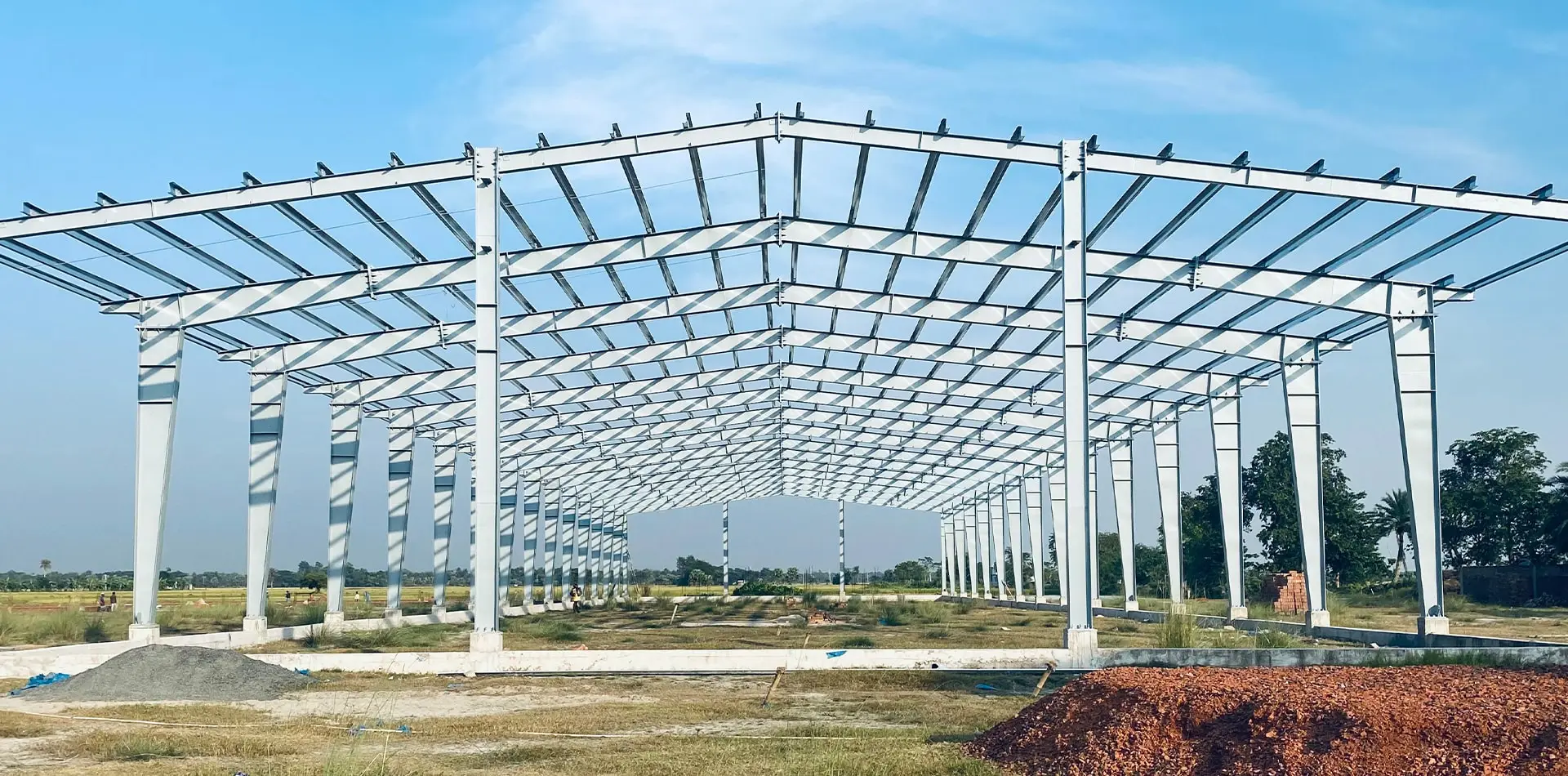
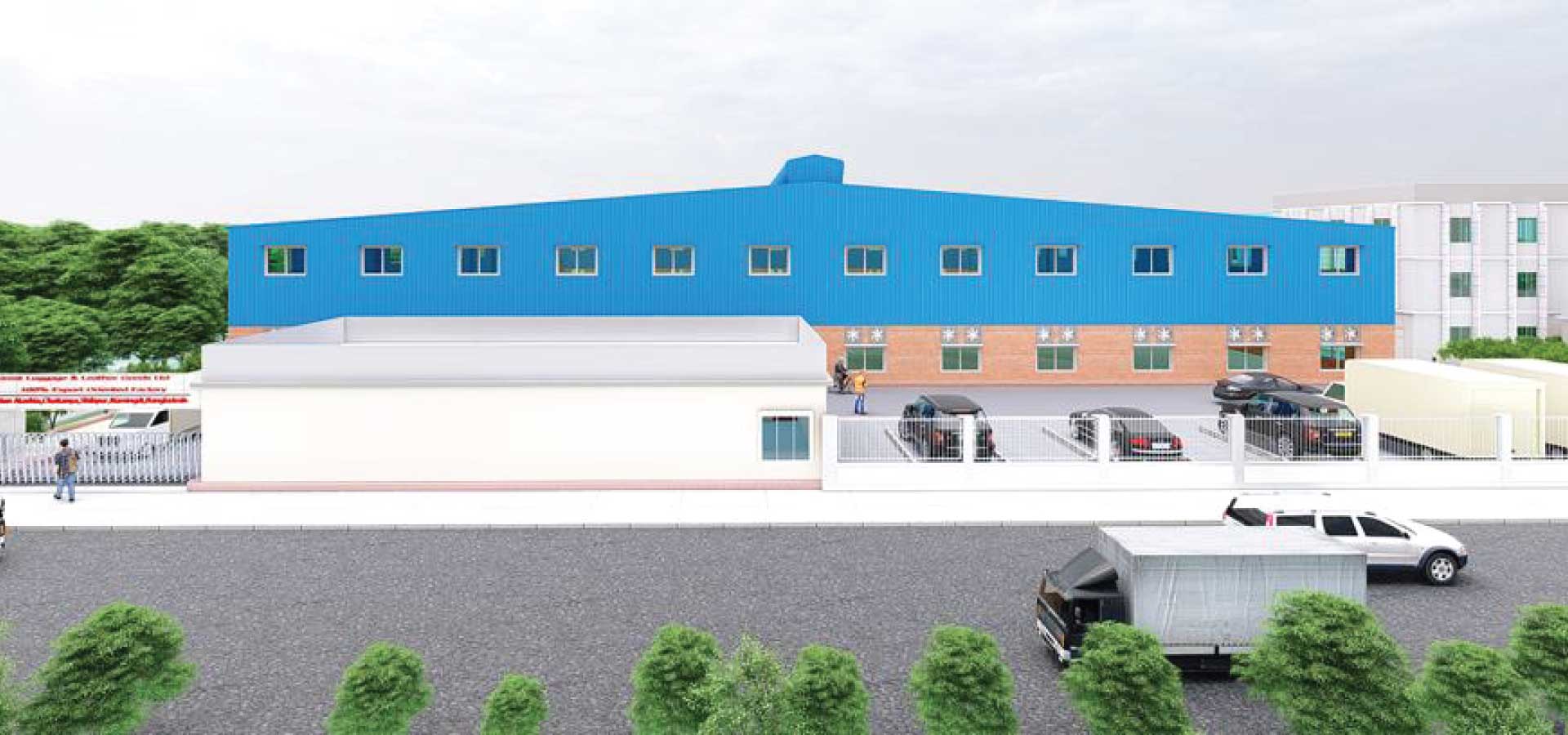
Since 2010, under the foundational motto "Your Future in Your Home", Joint Star Steel Structure Ltd. has grown into a premier manufacturer of pre-engineered steel buildings and high-performance sandwich panels in Bangladesh, serving both domestic developers and international procurement buyers.
Complete Structural & Cladding Integration
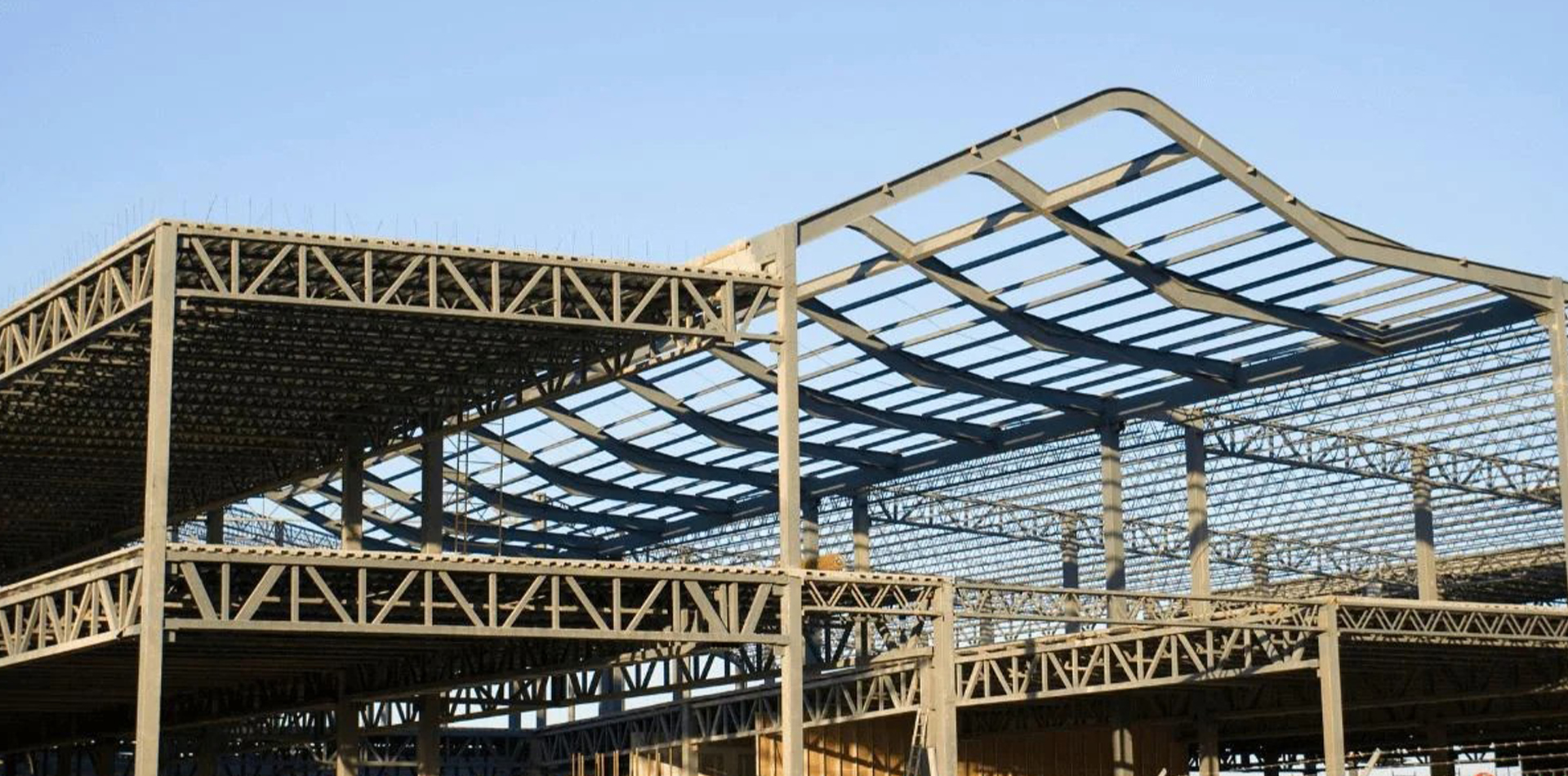
We eliminate interface risk by providing single-source accountability — from primary structural frame design and shop fabrication to PU sandwich panel production and specialized site erection supervision.
Proven Portfolio of 352+ Projects
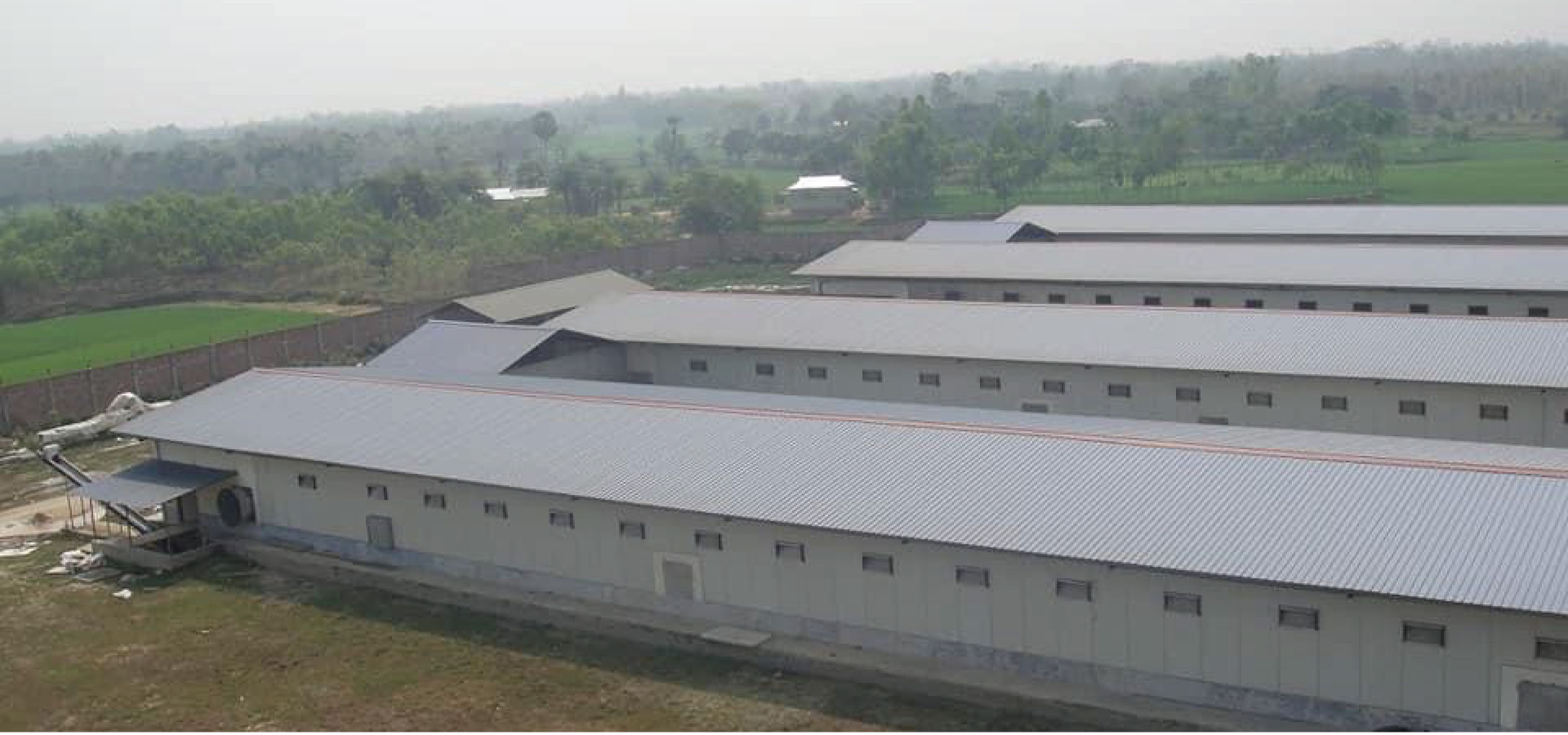
Over 120 client organizations across industrial sectors — textiles, cold chain logistics, pharmaceuticals, heavy manufacturing — trust our team of 100+ qualified structural engineers, fabricators, and QA inspectors.
Export-Grade Shipping & Logistics Precision
All panels and structural members are labeled with clear erection marks and protected by peelable protective film, packed tightly into sea containers with moisture absorbers to guarantee damage-free arrival worldwide.
0+
Industrial Projects Completed
0+
Satisfied Corporate Clients
0+
Engineers & Field Specialists
0+
Years of Engineering Heritage
Search Intent & Procurement FAQ
Frequently Asked Questions on PU Sandwich Panels
Detailed technical answers addressing core concerns asked by global procurement teams, civil engineers, and warehouse developers.
What is the optimal thickness of PU sandwich panel for a -20°C cold storage room?
For a deep-freeze cold storage facility operating at $-18^\circ\text{C}$ to $-25^\circ\text{C}$, a PU core panel thickness of 120mm to 150mm ($40 \text{ kg/m}^3$ density) is recommended. This ensures an overall U-value below $0.15 \text{ W/m}^2\text{K}$. For extreme blast freezers operating down to $-35^\circ\text{C}$, 200mm PIR panels equipped with cam-lock tongue-and-groove joints and double butyl sealant tapes are mandatory to prevent ice bridge formation and thermal leakage.
How does Polyisocyanurate (PIR) compare to Polyurethane (PUR) regarding fire performance?
While both materials share polyol and isocyanate raw materials, PIR is processed at a significantly higher chemical index ratio (typically >250). This promotes ring-shaped trimerization bonds that decompose at much higher temperatures. Consequently, PIR sandwich panels achieve B-s1, d0 fire ratings (EN 13501-1) and offer up to 30-60 minutes of fire resistance (EI30/EI60), forming a strong char barrier that limits flame propagation compared to standard PUR (B2 grade).
What structural span distances can PU roof sandwich panels achieve under wind loads?
Structural span capacity depends on panel thickness, steel facing gauge (e.g., 0.5mm outer / 0.4mm inner PPGI), and local design wind speeds. A standard 50mm thick corrugated PU roof panel under a uniform design load of $1.0 \text{ kN/m}^2$ can safely span 1.8 to 2.5 meters between purlins. For 100mm roof panels, purlin spacing can be extended up to 3.0 to 3.5 meters, significantly reducing structural steel tonnage in Pre-Engineered Buildings.
How do steel skin coatings protect PU panels in harsh coastal or chemical environments?
For high-corrosion industrial zones (ISO 12944 C4/C5 environments such as coastal areas or chemical processing plants), standard polyester paint (PE) is upgraded to High-Durable Polyester (HDP) or Polyvinylidene Fluoride (PVDF) coatings over an AZ150 Galvalume substrate. For food processing rooms requiring frequent chemical washing, we supply 120-micron food-grade PVC film laminates or 304/316 stainless steel facings.
Why is purchasing PU sandwich panels from Joint Star Steel cost-advantageous for international buyers?
Joint Star Steel combines advanced continuous double-belt foaming machinery with optimized raw material procurement and highly competitive regional labor overhead in Bangladesh. This allows us to supply top-tier PU/PIR panels meeting European thermal standards at direct factory prices. Furthermore, our ability to engineer the accompanying PEB steel structure under one roof eliminates misfits and reduces container transport freight costs.
What documentation and drawings are supplied with exported panel orders?
Every export order includes complete architectural elevation drawings, panel layout plans, flashing detail drawings, bill of materials (BOM), raw material mill test certificates (MTC), core density test reports, and step-by-step installation manuals to ensure site erection is executed smoothly by local contractors.
Request a Technical Quote & PU Panel Sample Kit
Planning a cold room, logistics warehouse, or prefabricated factory? Send us your project drawings or specifications. Our engineering team will calculate optimal panel thickness, U-values, structural spans, and delivered cost breakdown within 24 hours.