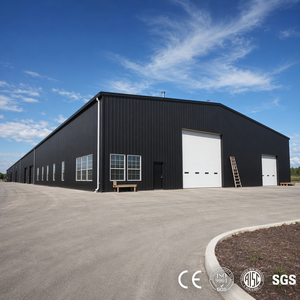
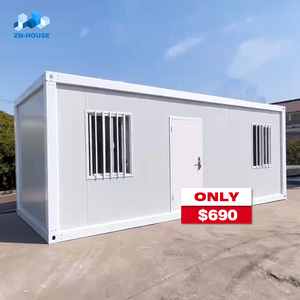
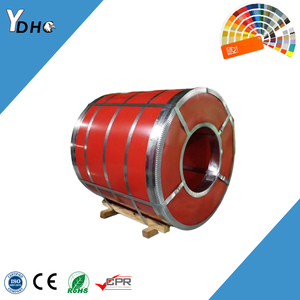
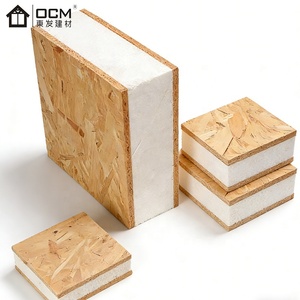
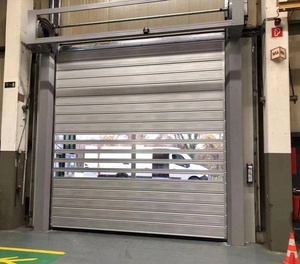
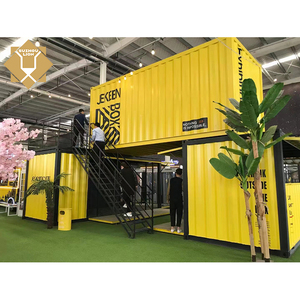
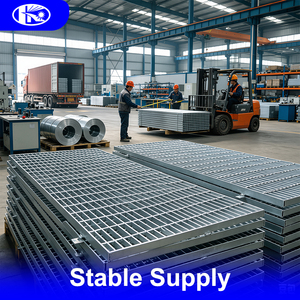
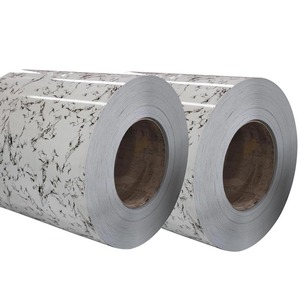
Explore our full-line OEM/ODM manufacturing capability, combining structural steel logistics skeletons, high-density insulated composite panels, prepainted metal substrates, and temperature-barrier cleanroom doors.
In modern industrial refrigeration logistics, cold storage panels operate not merely as space partitions, but as critical, active thermodynamic barriers. As an established pioneer OEM/ODM cold storage panels supplier & suppliers network, our manufacturing methodology focuses on microscopic core cell density, multi-stage blowing agent stabilization, and comprehensive vapor-impermeable joint engineering. The efficiency of a commercial cold room or pharmaceutical warehouse depends directly on minimizing heat transfer across three primary vectors: conduction through the insulating core, radiation through surface facings, and infiltration through perimeter joints.
Polyurethane (PU) and Polyisocyanurate (PIR) rigid foams represent the benchmark in modern cold chain design. Through advanced high-pressure continuous foaming lines utilizing zero-ODP, low-GWP pentane or hydrofluoroolefin (HFO) blowing agents, our panels achieve a closed-cell ratio exceeding 95%. This uniform microcellular matrix traps inert low-conductivity gas molecules, yielding an extraordinary thermal conductivity value down to λ ≤ 0.019 - 0.022 W/(m·K). In comparison, expanded polystyrene (EPS) exhibits thermal conductivities near 0.038 W/(m·K), necessitating twice the physical thickness to deliver equivalent refrigeration retention.
| Insulation Core Type | Density (ρ, kg/m³) | Thermal Conductivity (λ, W/m·K) | Compressive Strength (kPa) | Operating Temperature | Reaction to Fire (EN 13501-1) |
|---|---|---|---|---|---|
| Rigid PIR (Polyisocyanurate) | 40 - 45 kg/m³ | 0.019 - 0.022 | ≥ 150 - 220 kPa | -200°C to +120°C | B-s1, d0 / Class A (Flame-Resistant) |
| Rigid PUR (Polyurethane) | 38 - 42 kg/m³ | 0.022 - 0.024 | ≥ 140 - 180 kPa | -50°C to +100°C | B2 / B3 (Self-Extinguishing) |
| Structural Rockwool (Mineral) | 100 - 140 kg/m³ | 0.035 - 0.040 | ≥ 80 - 120 kPa | -40°C to +700°C | A1 Non-Combustible (4-Hour Rated) |
| Expanded Polystyrene (EPS) | 16 - 24 kg/m³ | 0.036 - 0.041 | ≥ 60 - 90 kPa | -30°C to +70°C | E Class (Combustible Core) |
Thermodynamic Note for Procurement Specifiers: The longevity of cold storage performance is determined by vapor transmission resistance. Water vapor moves toward the coldest point. Even an imperceptible seal breach of 1mm can transport moisture inside the insulation envelope, causing internal core icing, mechanical delamination, and sudden thermal conductivity degradation up to 300% over a 3-year operating period.
Thermal bridge elimination demands superior mechanical panel-to-panel connectivity. Joint Star Steel integrates an engineered double tongue-and-groove joint profile equipped with factory-applied non-hardening butyl mastic and secondary cavernous seals. In walk-in freezers, blast chillers, and modular logistics units, panels are mechanically locked using recessed, eccentric cam-lock hardware spaced every 800mm to 1200mm. The rotational tensioning mechanism draws panels together under controlled mechanical compression, eliminating the micro-gaps that trigger frost heave, sweating, and structural condensation.
Cold rooms subjected to high-pressure washdowns, sanitizing chemicals, and caustic saline environments require advanced metallic cladding. Our OEM production lines utilize prepainted galvanized steel (PPGI) with zinc coating weights ranging from Z120 up to heavy-duty Z275 (275 g/m² zinc), as well as Galvalume (PPGL with 55% Aluminum-Zinc alloy). For food-grade facilities compliant with USDA and HACCP requirements, we apply 25-micron to 50-micron coatings of high-durability polyester (HDP), polyvinylidene fluoride (PVDF), or food-safe anti-microbial PVC Plastisol, preventing bacterial colonization and rust formation.
Procuring the optimal cold storage envelope requires matching the thermodynamic gradient ($\Delta T$), humidity conditions, and structural floor loads with panel core density and steel gauge thickness. Below is an engineering guide to system deployment across industrial temperature classifications:
Recommended Spec: 150mm - 200mm PIR core (ρ ≥ 42 kg/m³) with 0.6mm PPGI or AISI 304 Stainless Steel facings. Features dual vapor-barrier silicone lines, thermal break floor under-insulation with heated subfloor ventilation conduits to prevent cryogenic frost heave.
Recommended Spec: 100mm - 120mm PU/PIR panel systems featuring gas-tight labyrinth joints. Specialized airtight coatings maintain high relative humidity (90-95%) while precisely confining CO², O², and ethylene gas levels to extend product shelf-life without pressure degradation.
Recommended Spec: 75mm - 100mm PIR or high-density Rockwool panels with flush-mounted coving profiles. Sealed with anti-fungal silicone, certified to ISO Class 5-8 cleanroom environments with high resistance to frequent sterilization using vaporized hydrogen peroxide (VHP).
Recommended Spec: Continuous PU/PIR exterior cladding panels (length up to 18m) coupled with heavy-duty Q355 structural steel portal frames. Features high span stiffness to resist wind suction loads up to 2.4 kPa while integrating automated rapid roll-up spiral shutter doors at loading docks.
Recommended Spec: 50mm - 75mm PU or economical EPS sandwich panel assemblies with food-grade white polyester skins. Ensures comfortable operative ambient temperatures, minimal condensation, and rapid structural assembly for high-throughput food packaging operations.
Recommended Spec: 20ft / 40ft quick-assembly modular flatpack containers insulated with 80mm - 100mm high-R PU panels. Designed for rapid transport to mining sites, agricultural hubs, and military bases with pre-installed MEP plug-and-play refrigeration condensing units.
Global procurement teams navigating cold storage expansion face increasing regulatory complexity, rising electricity tariffs, and tighter carbon accounting. As leading suppliers of industrial envelope systems, we identify four transformative procurement vectors currently redefining the global cold chain landscape:
Under international environmental regulations such as the Kigali Amendment to the Montreal Protocol and the EU F-gas Regulation, procurement specifications are systematically moving away from halogenated blowing agents. OEM suppliers must deploy Fourth-Generation Solstice HFO (hydrofluoroolefin) or ultra-low GWP cyclopentane blowing systems. These formulations yield an ozone depletion potential (ODP) of exactly zero and a global warming potential (GWP) of less than 1, meeting corporate Scope 1 and Scope 3 carbon compliance requirements while preserving cell-wall structural integrity.
With industrial urban land values soaring, logistics developers are transitioning from standard 8-meter racking facilities to 25-meter to 40-meter vertical ASRS cold facilities. This trend shifts panel procurement from manual cam-lock modular formats to continuous cladding panels manufactured in lengths of 15 to 18 meters. Panels must maintain strict dimensional tolerances (±1.0mm in squareness and ±1.5mm in length) to withstand high wind shear, seismic oscillation, and internal negative air pressures caused by rapid temperature drops without joint separation.
Facility insurability has become a primary bottleneck for cold storage operators. Global underwriters (such as FM Global) now mandate compliance with stringent fire performance criteria, notably FM 4880 (Class 1 Fire Rating for Building Assemblies), FM 4881 (External Wall Systems), and ASTM E84 Class A flame spread certifications. Consequently, standard PUR and EPS panels are being replaced by highly cross-linked Polyisocyanurate (PIR) and hybrid Rockwool composite panels. In a fire event, PIR builds a protective carbonaceous char that resists flame penetration and suppresses toxic smoke generation, securing facility insurability and lowering annual premiums.
Historically, procurement decisions focused primarily on the initial cost per square meter of panel material. Modern life-cycle costing models reveal that over a 20-year operating lifespan, energy consumption constitutes more than 70% of a cold room's total operating cost, whereas initial panel procurement represents less than 15%. Forward-thinking project owners routinely choose higher-density PIR and thermal-break profiles that yield a 12% to 22% reduction in ongoing compressor power consumption, resulting in capital payback within 24 to 36 months.
Continuous investment in research and development has brought smart technologies and material science innovations directly to the panel production line. Our facilities incorporate modern technologies that extend panel life, improve safety, and automate thermal monitoring:
Factory-integrated, non-destructive RFID and passive sensor probes positioned within the insulation core monitor moisture ingress, vapor pressure, and internal core temperature in real time, alerting maintenance managers to hidden seal failures years before visible ice forms.
Micro-encapsulated organic bio-PCMs incorporated directly adjacent to the inner steel facing absorb thermal spikes during door openings or peak-rate power outages, buffering refrigeration loss and keeping room temperatures stable for up to 6 hours without active compressor load.
Surface steel coils treated with silver-ion (Ag+) impregnated polymers continuously inhibit 99.9% of bacterial, mold, and listeria cultures on cleanroom walls, resisting micro-scratch oxidation even under heavy washdown protocols with chlorine or quaternary ammonium.
Operating continuously since 2010 from Dhaka, Bangladesh, Joint Star Steel Structure Ltd. has grown from a regional pioneer in pre-engineered steel buildings into an internationally capable designer, fabricator, and exporter of advanced cold storage facilities and sandwich panel systems. Having delivered more than 352+ industrial facilities across 120+ demanding corporate clients, we provide full accountability under a single engineering contract:
We eliminate interface conflicts between structural steel erectors and cold panel suppliers. Our integrated design team provides structural analysis, foundation detailing, primary Q355 framing, secondary cold-formed purlins, and precision insulated panel packages under a single point of technical warranty.
We operate multi-purpose production lines capable of manufacturing Polyurethane (PU), Polyisocyanurate (PIR), fireproof Rockwool, and economical Expanded Polystyrene (EPS) sandwich panels with thickness ranges from 50mm up to 200mm, custom-tailored to buyer technical parameters.
From high-tensile galvanizing lines (Z120 to Z275) to dedicated sheet color-coating lines (PPGI/PPGL), our raw material processing ensures consistent paint adhesion, uniform primer thickness, and long-term corrosion resistance for extreme industrial and coastal marine climates.
Our structural engineers, certified welders, and refrigeration envelope technicians prepare comprehensive shop drawings, piece-marked structural components, and seaworthy containerized crating with protective film masking to guarantee undamaged global site arrival.
To assist project engineers, EPC contractors, and procurement managers in making informed decisions, our technical division answers common engineering and commercial questions below:
Continuous line panels are produced on automated double-belt conveyors running hundreds of meters continuously. They offer high production speed, consistent core density, and customizable panel lengths up to 18 meters, making them ideal for large-scale logistics warehouses and exterior cladding. Discontinuous cam-lock panels are manufactured in individual precision molds with internal male/female mechanical locking hardware embedded along the perimeter. Cam-lock panels are best suited for walk-in cold rooms, indoor cleanroom chambers, and facilities that require rapid manual assembly without exposed rivets or screws.
Panel thickness is determined by calculating the heat flux (typically targeted below 8 - 10 W/m²) across the maximum temperature gradient between the external summer ambient design temperature and the internal target temperature (ΔT = T_ambient - T_internal). For air-conditioned packing halls (+10°C to +15°C, ΔT ≈ 20°C), a 50mm - 75mm PU panel is sufficient. For standard chillers (0°C to +4°C, ΔT ≈ 35°C), 100mm PU/PIR is specified. For deep-freeze storage (-18°C to -25°C, ΔT ≈ 60°C), 150mm PU/PIR is required. For quick-freezing blast tunnels (-35°C to -45°C, ΔT > 75°C), 200mm high-density PIR panels are necessary to prevent external condensation and reduce compressor wear.
While both are polyurethane-based polymers, PIR is synthesized with a significantly higher isocyanate index (typically above 250% compared to 100-110% in PUR). Under heat, this chemical formulation forms stable, highly cross-linked isocyanurate ring structures that offer superior fire resistance. PIR decomposes into an insulating carbonaceous char that resists ignition, satisfies B-s1, d0 reaction-to-fire ratings, meets FM 4880 requirements, and produces significantly lower smoke density than conventional PUR.
Subfloor frost heave occurs in freezers operating below 0°C when continuous heat conduction cools the subsoil beneath the concrete foundation. Moisture in the ground freezes, expands, and pushes the building slab upward, fracturing walls and columns. Prevention requires a multi-layer insulated floor system consisting of: (1) a structural sub-slab, (2) an under-floor ventilation system using natural-draft pipes or electric heating cables, (3) a heavy-duty vapor barrier membrane (polyethylene or bituminous), (4) high-compressive-strength XPS or high-density PIR floor panels (≥200-300 kPa), and (5) a reinforced concrete wear slab with perimeter thermal breaks.
For standard dry agricultural cold storage, a 0.45mm - 0.50mm exterior and interior prepainted galvanized sheet with standard polyester (PE) coating (20/5 μm) is economical and effective. For meat, poultry, seafood, or chemical handling where acidic washdowns and chlorine sanitizers are used, we recommend either 0.55mm - 0.60mm steel with 50-micron PVC Plastisol / PVDF coatings or marine-grade AISI 304 / AISI 316 stainless steel with a 2B or circular-brushed finish to prevent pinhole pitting and chemical corrosion.
Sandwich panels are susceptible to edge deformation and cosmetic surface scratching during transit. We cover both sides of every panel with a self-adhesive 50-micron polyethylene protective peel-off film. Panels are stacked in tight, automated bundles separated by dense EPS foam spacers and wrapped in high-strength stretch film with heavy corrugated edge protectors. Bundles are loaded onto treated wooden skids and secured inside 40ft High Cube containers using custom polyester lashing straps to prevent movement and damage during ocean transport.
Yes. As a full-scope OEM/ODM manufacturer, we design and produce to project specifications. Our in-house engineering team uses Tekla, AutoCAD, and Revit software to develop detailed erection diagrams, 3D BIM coordination models, and piece-marked assembly plans. Factory cutouts for rapid roll-up doors, sliding insulated doors, pressure relief valves, and evaporator pipe penetrations can be pre-formed during manufacturing, minimizing on-site field cutting and speeding up installation.
Whether you require a turn-key clear-span cold logistics warehouse, high-performance OEM PIR/Rockwool panels, or customized containerized cold chambers, our engineering department provides comprehensive technical calculations, thermal modeling, and project quotations.