
Explore our certified structural members, specialized cold-formed roll forming machinery, and factory-bonded insulated building envelope panels engineered for heavy industrial deployment.
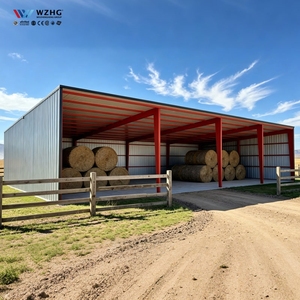
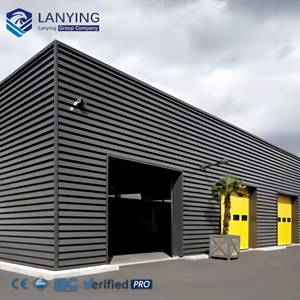
Modern industrial expansion requires far more than merely procuring raw I-beams and corrugated steel cladding. In an era marked by volatile supply chains, stringent seismic building codes, and aggressive carbon-neutrality mandates, engineering procurement directors must vet their fabrication partners through the lens of full-lifecycle technical integrity. Joint Star Steel Structure Ltd., founded in Dhaka in 2010 under the visionary motto "Your Future in Your Home", has consistently spearheaded structural innovation across both domestic and export markets. Operating as an end-to-end EPC (Engineering, Procurement, Construction) and pre-engineered metal building (PEB) specialist, the company bridges the treacherous gap between conceptual architectural design, precision factory manufacturing, and rapid on-site structural assembly.
Industrial workshop facilities present severe structural demands. Large clear spans ranging from 24 meters to beyond 60 meters without internal load-bearing columns are routinely requested to accommodate automated inventory conveyors, multi-ton overhead travelling cranes (EOT cranes), and reconfigurable manufacturing work cells. Fulfilling these parameters necessitates rigorous finite element structural analysis (FEA), calculating dynamic crane braking thrusts, localized wind shear forces, and thermal expansion fatigue. A tier-one supplier cannot simply act as a merchant broker; they must maintain complete in-house control over submerged arc welding lines, automated CNC beam drilling, shot-blasting surface treatment, and thermal insulation manufacturing.
Eliminate conflicting liabilities between civil engineers and metal fabricators. We deliver complete integrated scopes: reinforced concrete (RCC) foundations, anchor bolt setting, precision primary steel frame erection, and thermal wall cladding.
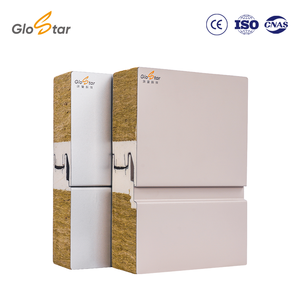
As Bangladesh's foremost integrated sandwich panel manufacturer, we produce high-density Expanded Polystyrene (EPS), continuous Polyurethane (PU/PIR), and non-combustible Class A1 Rock Wool thermal barrier panels in-house.
Every column, portal rafter, cold-formed C/Z purlin, and bracing member is fabricated from high-tensile structural steel (Q235B, Q355B, ASTM A572 Grade 50) protected with heavy-duty zinc galv or epoxy anticorrosive coating systems.
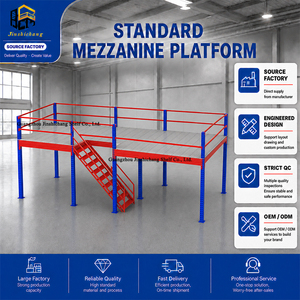
Steel workshop applications extend far beyond basic single-story shells. High-density logistical fulfillment centers and multi-stage processing plants demand integrated secondary structures. Our engineered industrial mezzanine systems utilize composite metal decking, heavy cold-rolled secondary purlins, and integrated high-strength anchor assemblies capable of bearing continuous floor live loads exceeding 1,500 kg/m². Whether integrating automated packaging sorting lines, mezzanine administrative control offices, or heavy structural crane runways, each assembly is modeled in Tekla Structures and BIM software to resolve spatial clashes prior to workshop plate cutting.
A critical determinant of long-term operating expenditure (OPEX) in manufacturing workshops is the building envelope. Selecting the wrong cladding material results in severe HVAC energy losses, interior condensation dripping, and non-compliance with municipal fire containment regulations. Consult our engineering selection matrix below:
| Thermal Core System | Core Density | Thermal Conductivity (λ) | Fire Resistance Rating | Optimal Industrial Application |
|---|---|---|---|---|
| Continuous PU/PIR Core | 38 - 42 kg/m³ | 0.022 - 0.026 W/m·K | Class B1 / PIR Self-Extinguishing | Temperature-controlled processing, pharmaceutical cleanrooms, cold logistics |
| High-Density Rock Wool | 100 - 140 kg/m³ | 0.038 - 0.044 W/m·K | Class A1 Non-Combustible (1-4 Hrs) | Heavy metallurgy workshops, battery storage, chemical plants, boiler houses |
| Modified EPS Core | 14 - 20 kg/m³ | 0.036 - 0.041 W/m·K | Flame Retardant Treated (Class B2) | Dry storage warehouses, modular site offices, temporary logistics hubs |
| Double-Skin Metal + Glass Wool | 16 - 24 kg/m³ | 0.035 - 0.042 W/m·K | Class A Incombustible Core | Standard agricultural sheds, broad-span logistics parks, sports arenas |
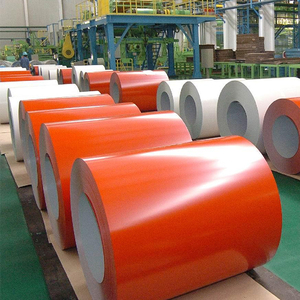
*Note: All external steel facings utilize PPGI / PPGL coils conforming to ASTM A755 / EN 10169, with zinc coating densities ranging from Z120 to AZ150 and multi-tier fluorocarbon (PVDF) or high-durability polyester (HDP) paint finishes.
As international supply chains evolve toward digitalized workflows and accelerated carbon audits, procurement managers are rewriting their qualification standards for steel structure manufacturers. The traditional practice of evaluating proposals strictly on nominal steel price per metric ton is rapidly disappearing. Instead, forward-thinking procurement directors assess suppliers across four transformational axes:
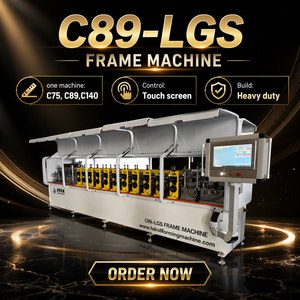
Design for Manufacture and Assembly (DfMA) is cutting on-site installation schedules by up to 50%. Computer-controlled light gauge steel framing lines create high-precision cold-formed trusses and secondary frames with sub-millimeter tolerances.
Workshops are evolving into self-sustaining energy hubs. Modern structural framing incorporates pre-engineered rooftop photovoltaic dead-load capacities alongside integrated sensor brackets for continuous structural vibration monitoring.
Export compliance to European and North American markets requires Environmental Product Declarations (EPDs). Sourcing certified scrap-based Electric Arc Furnace (EAF) steel dramatically reduces Scope 3 embodied carbon penalties.
The manufacturing shop floor itself is experiencing unprecedented digitization. Conventional manual plate marking and torch cutting have been superseded by multi-axis CNC fiber laser cutters and robotic plasma beveling arms. Built-up H-beams undergo continuous dual-wire submerged arc welding with integrated ultrasonic weld flaw detection, eliminating interior porosity and lamellar tearing. Furthermore, secondary cold-formed purlins (C, Z, and U profiles) are roll-formed with automatic hydraulic punching, ensuring that slotted holes for high-strength grade 8.8 and 10.9 structural bolts align perfectly on the job site. This technological shift virtually eliminates on-site torch cutting, hot-work permits, and reaming, drastically improving safety records and reducing erection duration.
Established in 2010 in Uttara, Dhaka, Joint Star Steel Structure Ltd. stands as one of South Asia's premier pre-engineered steel building manufacturers. With over 15 years of uninterrupted operational growth, our organization has successfully engineered, fabricated, and handed over more than 352 heavy industrial projects for a client base exceeding 120 multinational corporations, textile conglomerates, logistics developers, and food manufacturing enterprises.
Our comprehensive industrial footprint integrates structural consultancy, computer-aided drafting (CAD/BIM), precision metal fabrication, continuous sandwich panel line production, and specialized site erection teams. Unlike trading entities or brokers that subcontract manufacturing to fragmented workshops, Joint Star Steel maintains rigorous quality control at every phase of the project lifecycle:
Clear, unvarnished technical answers addressing common engineering inquiries, commercial terms, and installation logistics encountered by procurement committees.
Whether planning a massive industrial logistics center, a specialized heavy machinery workshop with integrated cranes, or seeking fireproof sandwich panels for thermal retrofit, Joint Star Steel delivers cost-optimized, turnkey reliability backed by 15+ years of verified industry leadership.