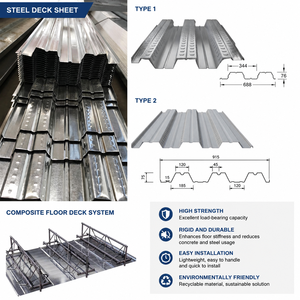
Manufactured to rigorous international benchmarks (ASTM, EN 14509, ISO 9001), our primary product range incorporates high-density mineral wool, polyurethane (PUR/PIR), and cold-rolled continuous prepainted structural metallurgy.
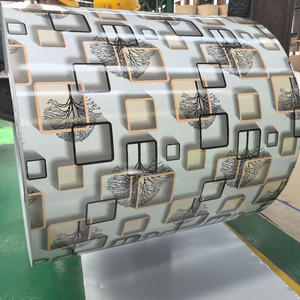
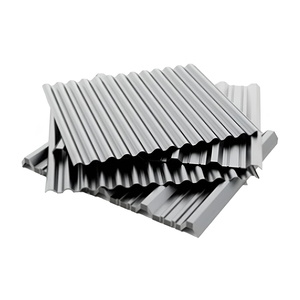
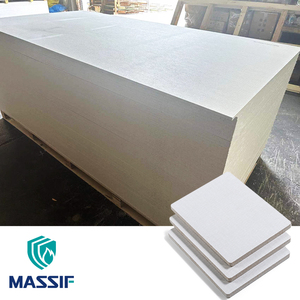
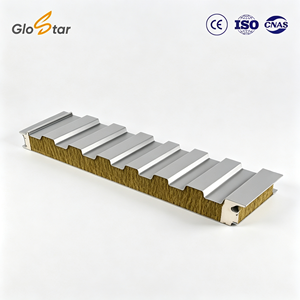
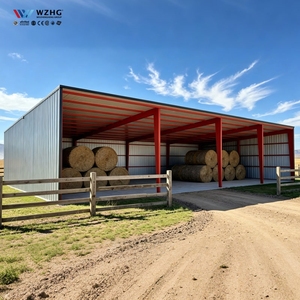
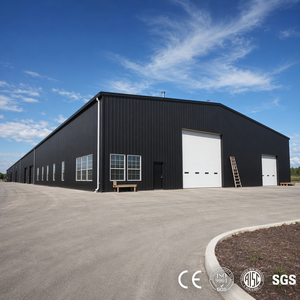
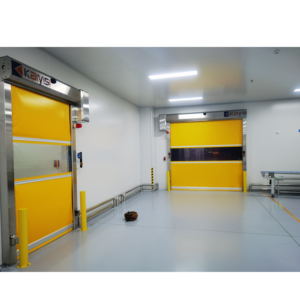
Evaluating the physical paradigms governing high-efficiency insulated roof panels: thermal transmittance, microcellular structural integrity, moisture mitigation, and continuous production automation.
The core thermal efficiency of an industrial building envelope relies strictly on Fourier's law of thermal conduction. Polyisocyanurate (PIR) formulations attain an extraordinarily low thermal conductivity (λ ≤ 0.022 W/m·K), drastically outperforming traditional site-assembled built-up systems. This microcellular configuration restricts both convective heat currents within the cellular voids and conductive radiant transfer, enabling logistics warehouses, chemical production facilities, and cold storage hubs to curb HVAC power consumption by upwards of 42% over standard 25-year operational lifecycles.
Under severe wind-uplift pressures (exceeding UL 580 Class 90 / FM 4471 mandates), an insulated sandwich panel acts as a unified composite I-beam. The external high-tensile steel facings (yield stress ≥ 300 to 550 MPa) resist axial tension and compression, while the rigid core withstands transverse shear forces. China's top tier continuous automated laminating lines apply high-pressure corona discharge pre-treatment to the inner coil face, generating chemical and mechanical bonding peel strengths exceeding 0.12 MPa, preventing core-to-skin delamination during extreme cyclonic events.
Uncontrolled vapor intrusion across roof panel joints induces structural purlin corrosion, core insulation degradation, and mold proliferation. Modern Chinese composite panels utilize hidden-screw standing-seam joints, engineered with factory-injected continuous butyl sealant grooves and overlapping tongue-and-groove geometry. This mechanical interlock completely seals the thermal break, maintaining total building envelope infiltration rates below q50 ≤ 1.0 m³/(h·m²) and terminating thermal bypass pathways completely.
Strategic procurement requires matching core thermodynamic properties with regional fire codes, project acoustic criteria, and lifecycle target thermal resistances.
| Insulation Core Type | Thermal Conductivity (λ) | Density Range | Fire Rating (EN 13501-1 / ASTM E84) | Compressive Strength (10% strain) | Primary Application Suitability |
|---|---|---|---|---|---|
| Polyisocyanurate (PIR) | 0.020 - 0.023 W/m·K | 38 - 45 kg/m³ | Class B-s1, d0 / Class A (Flame ≤25) | ≥ 140 - 180 kPa | Cold storage, controlled atmosphere warehouses, high-efficiency energy-saving roofing. |
| Polyurethane (PUR) | 0.022 - 0.026 W/m·K | 35 - 42 kg/m³ | Class B2 / Class B (Flame ≤75) | ≥ 120 - 150 kPa | Agricultural sheds, cost-effective temperature-controlled food processing units. |
| Structural Rock Wool | 0.038 - 0.042 W/m·K | 100 - 140 kg/m³ | Class A1 / Non-combustible (0 Spread) | ≥ 80 - 110 kPa | Chemical processing plants, high-occupancy public structures, fire wall partitions. |
| Expanded Polystyrene (EPS) | 0.035 - 0.039 W/m·K | 16 - 24 kg/m³ | Class B1 / B2 Fire Retardant | ≥ 70 - 100 kPa | Lightweight industrial sheds, temporary modular offices, economic residential extensions. |
| Glass Wool Composite | 0.034 - 0.038 W/m·K | 50 - 64 kg/m³ | Class A2-s1, d0 / Non-combustible | ≥ 50 - 70 kPa | Acoustic damping industrial facilities, airport terminals, power generation plants. |
How international engineering, procurement, and construction (EPC) contractors are revamping material specifications to satisfy tightening decarbonization and automated erection schedules.
The convergence of industrial roofing with Building Integrated Photovoltaics (BIPV) represents the fastest accelerating procurement vector. Rather than retrofitting heavy ballast solar panels that compromise roof warranties and add structural dead-loads, modern Chinese factories produce 360-degree standing-seam composite panels equipped with proprietary standing ribs. These ribs accept solar mounting clamps directly without perforating the waterproofing skin, streamlining installation timelines by 50% and safeguarding structural thermal envelope integrity for 30+ years.
Standard hot-dip galvanized steel facings (GI) are being systematically superseded by Zinc-Aluminum-Magnesium alloy coatings (such as SuperDyma and ZAM coatings with 1.5–3% Mg additions). The magnesium component forms an insoluble, tightly adhering protective patina that migrates over cut edges, scratch points, and punched fastener zones. In severe marine, coastal, and chemical industrial environments (ISO 12944 C4/C5 classifications), ZAM-coated insulated roof panels demonstrate 4 to 8 times the corrosion longevity of standard zinc skins.
With environmental compliance rules expanding worldwide under the Kigali Amendment and EU Green Taxonomy, leading Chinese insulated panel manufacturers have migrated from older HFC blowing agents to 4th generation Hydrofluoroolefins (HFO). These advanced blowing catalysts feature an Ozone Depletion Potential (ODP) of zero and a Global Warming Potential (GWP) < 1, enabling multinational EPC firms to secure LEED Platinum, BREEAM Outstanding, and green building certifications effortlessly.
Operating world-class continuous double-belt lamination lines alongside comprehensive pre-engineered steel structure fabrication since 2010.
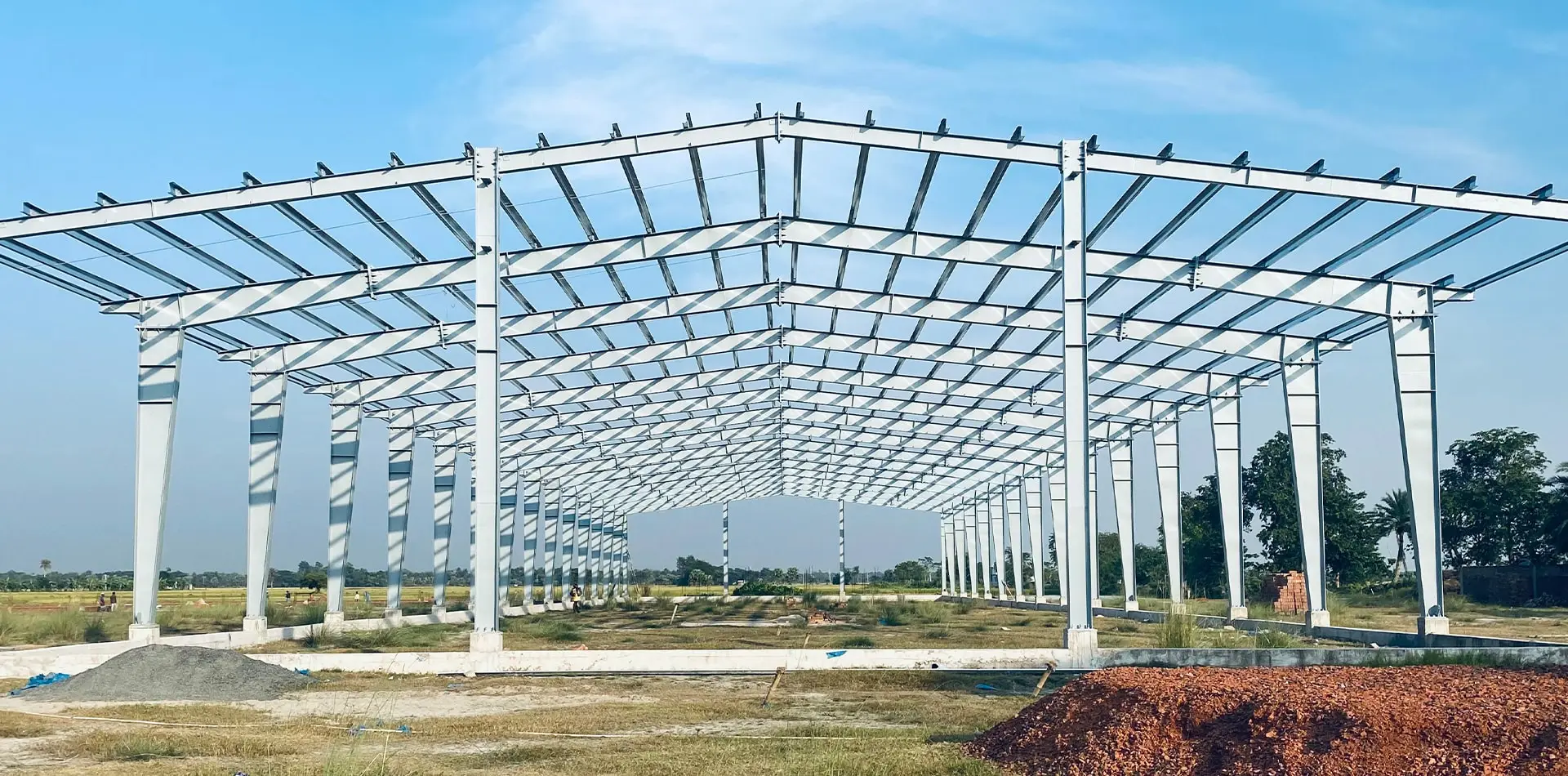
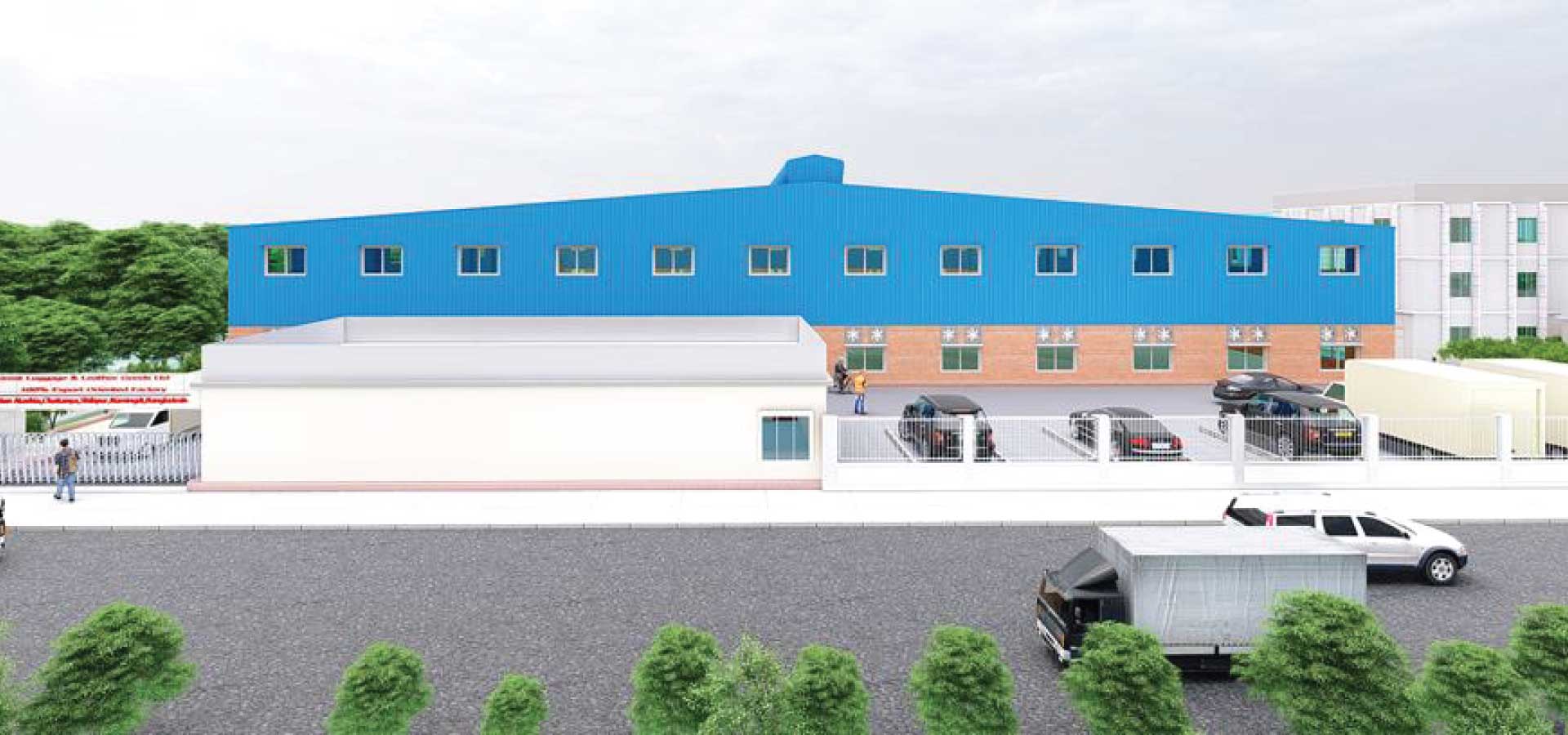
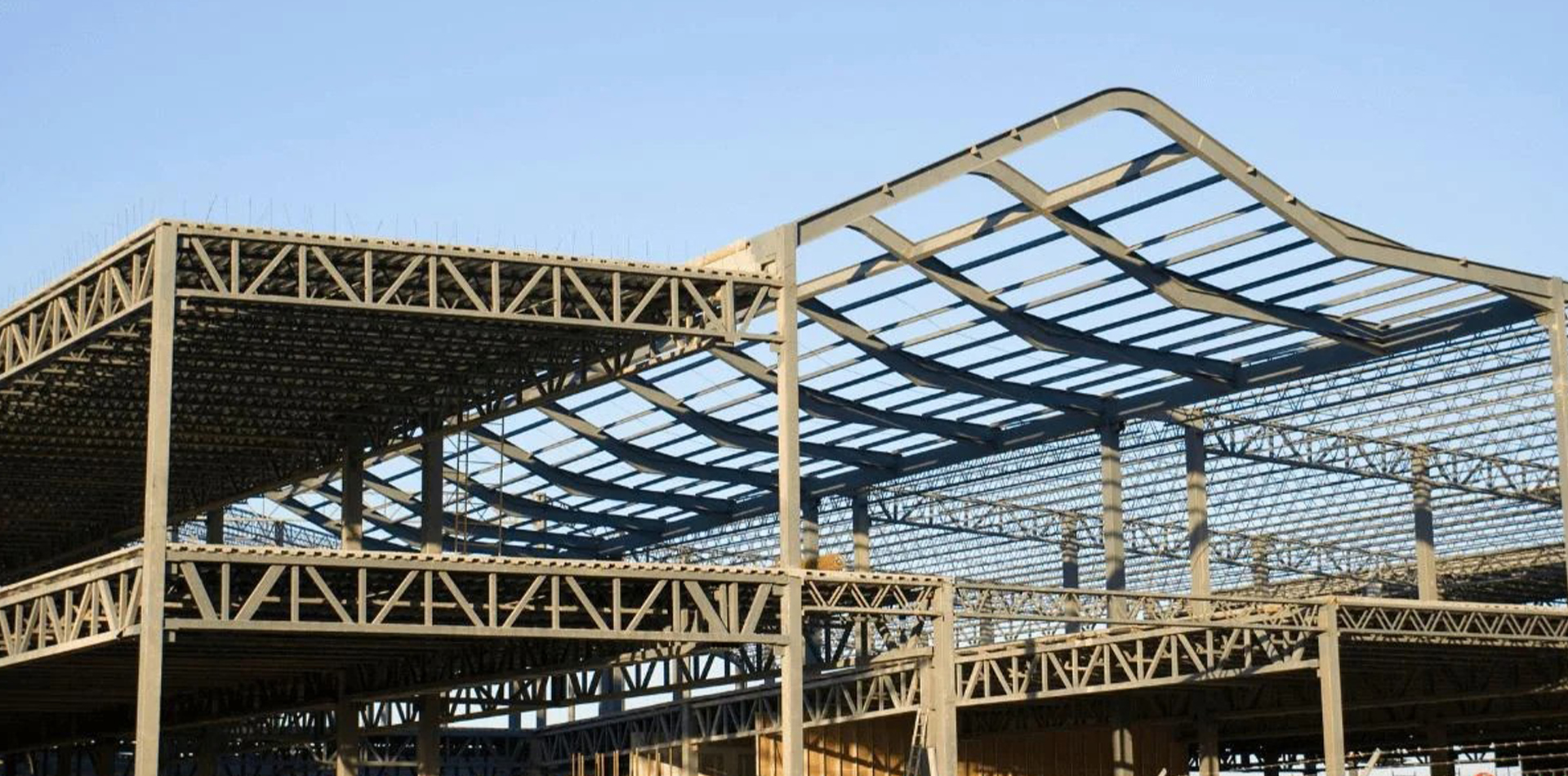

Consolidating structural steel fabrication, sandwich panel laminating, and international export logistics under single-source accountability.
Unlike segmented suppliers that only manufacture cladding or only fabricate structural steel, our integrated infrastructure handles full structural design, steel member cutting, submerged arc welding, shot blasting (Sa 2.5), continuous sandwich panel manufacturing, and reinforced concrete civil integration under a single contract. This unified execution eliminates cross-vendor interface errors and drastically compresses total project lead times.
Every production batch undergoes strict quality control protocols: 100% tensile adhesion peel testing, digital ultrasonic skin thickness verification, laboratory four-point flexural bending validation, and salt spray testing according to ASTM B117 standards. Fully certified to ISO 9001:2015, ISO 14001, CE EN 14509, and ASTM A653, providing EPC audit teams with complete material traceability.
Exported across Southeast Asia, the Middle East, Africa, and the Americas, our panels receive heavy-duty PE protective films, robust edge protectors, and specialized vacuum-tight moisture barrier wrapping. Bundles are systematically palletized on customized steel or timber skids sized precisely for 40ft High Cube containers or breakbulk cargo, guaranteeing panels arrive on-site with zero edge denting, scratching, or salt-mist degradation.
Precise answers to critical commercial, engineering, and logistics questions commonly raised by B2B buyers and structural engineering consultants.
Core thickness determination is governed by the target thermal transmittance (U-value) enforced by local building codes (e.g., ASHRAE 90.1, International Energy Conservation Code [IECC], or European EN 14509 standards). For general dry warehouses in temperate climates, a 50mm–75mm PIR panel (U-value ≈ 0.28–0.40 W/m²·K) provides an optimal capital expenditure balance. In cold storage facilities maintained at 0°C to -5°C, a minimum of 100mm PIR (U-value ≈ 0.21 W/m²·K) is mandated. Deep-freeze logistics units (-20°C to -35°C) necessitate 150mm to 200mm PIR or PUR cores (U-value ≤ 0.11–0.14 W/m²·K) to prevent external surface condensation and compressor overload.
PIR (polyisocyanurate) is an organic polymer modified by high isocyanate-to-polyol ratios (index > 250), which forms an extremely stable isocyanurate ring structure. When exposed to flames, PIR chars without melting or dripping, meeting GB 8624 B1 and EN 13501-1 B-s1, d0 standards. In contrast, Rock Wool consists entirely of inorganic basalt rock fibers spun into an interlocking matrix bonded by thermosetting resins. Rock Wool is completely non-combustible (Class A1), capable of resisting temperatures up to 1,000°C for 1 to 4 hours without contributing combustible fuel, making it mandatory for hazardous material warehouses, battery storage, and fire separation barriers.
Conventional corrugated panels utilize exposed through-screw fastenings that expand and contract with diurnal thermal cycling, eventually enlarging screw holes and compromising washer seals. Standing seam insulated roof panels conceal all structural clips internally beneath a raised rib (usually 35mm to 54mm above the drainage flat). During installation, adjacent panel female and male ribs are mechanically seamed together using an automated electric seamer through 180° (single lock) or 360° (double lock) seams embedded with continuous factory-applied non-skinning butyl mastic, completely eliminating capillary pathways even during ponding or high-wind typhoons.
For standard industrial installations, an external facer of 0.50mm to 0.60mm combined with an internal facer of 0.40mm to 0.50mm provides superior deflection and spanning capacity. In cost-sensitive light agricultural applications, 0.40mm/0.35mm is occasionally utilized. Concerning corrosion metallurgy, hot-dip zinc coatings should be specified at a minimum of Z275 (275 g/m² total both sides) or Galvalume AZ150 (150 g/m² 55% Al-Zn alloy). For industrial zones with chemical emissions, a 25-micron Fluorocarbon (PVDF) or High-Durability Polyester (HDP) topcoat should be specified over a 5-micron corrosion-inhibiting epoxy primer.
Thermal bridging occurs whenever continuous metal fasteners or uninsulated structural steel bridge the thermal envelope, causing localized heat transfer and condensation. Our engineering systems resolve this by utilizing thermal-break spacer blocks fabricated from high-density rigid PVC or EPDM situated directly between purlins and panels, along with stainless steel fasteners fitted with polyamide insulating washers. Additionally, factory panels are fabricated with staggered skin profiles at longitudinal end-laps, allowing overlapping foam-to-foam contact that completely preserves thermal boundary continuity.
Every commercial order leaves the factory with a comprehensive Quality Dossier. This includes Mill Test Certificates (MTC) according to EN 10204 3.1 detailing raw coil chemical composition and mechanical tensile properties; continuous line foaming density inspection logs; core cohesive bond peel strength test logs; four-point flexural deflection curves; and independent laboratory test certifications for fire classification (ASTM E84 / EN 13501-1) and water/air infiltration ratings (ASTM E283 / E331).
Whether you require full turnkey Pre-Engineered Steel Building design and supply, custom PIR cold storage roof cladding, or certified Class A1 fire-rated Rock Wool envelopes, our senior engineering staff provides complete structural calculations, shop drawings, and competitive direct-factory pricing.
Inquire Now