Direct factory supply featuring cold-rolled Aluzinc roofing panels, prepainted Galvalume cladding coils, industrial portal frameworks, and modular space systems manufactured under CE-notified factory production controls.
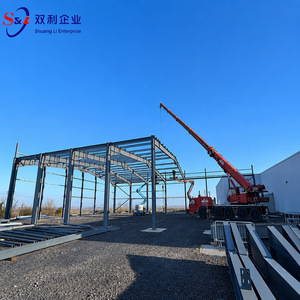
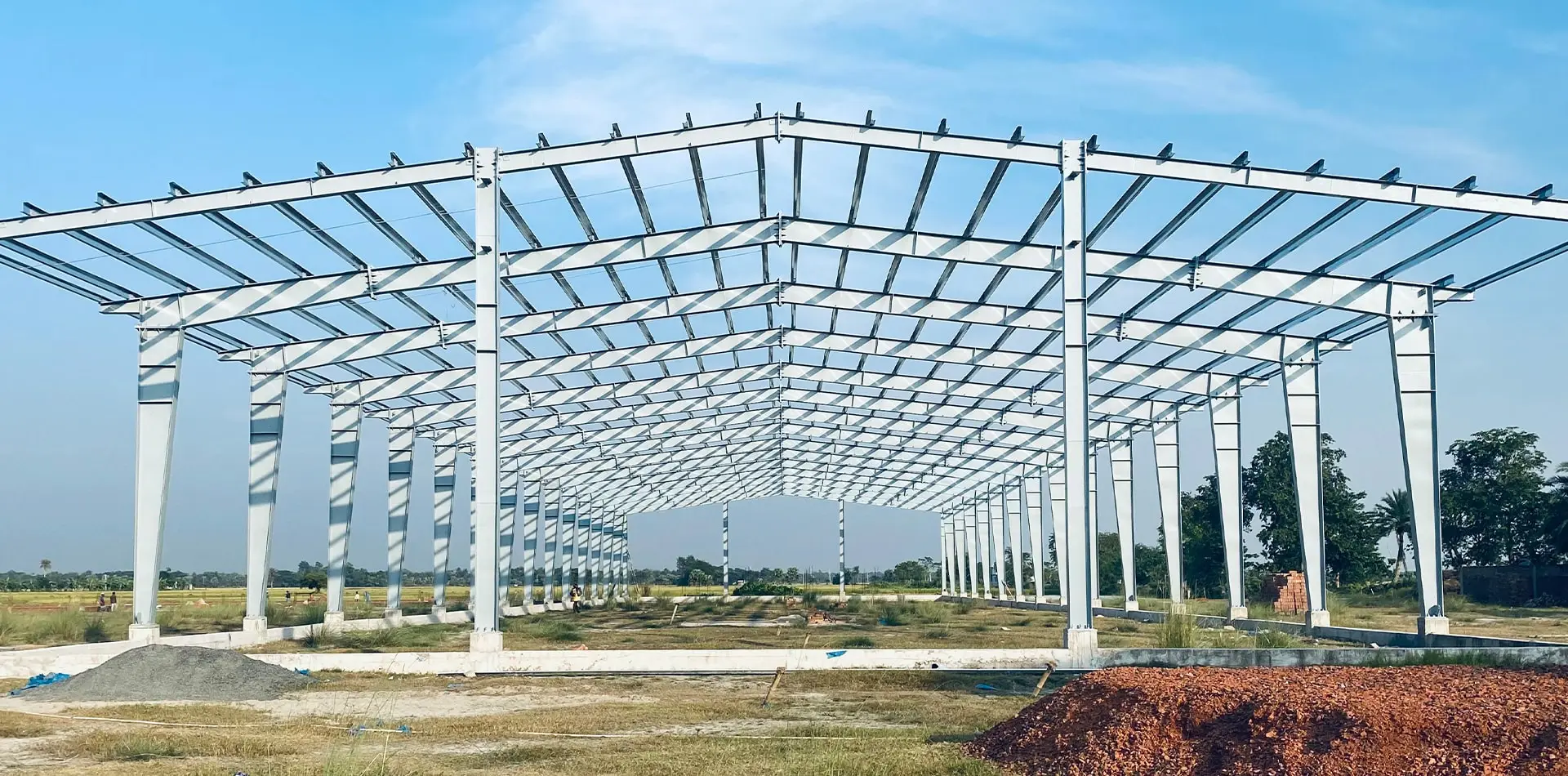
Heavy clear-span fabrication with engineered portal frames, Aluzinc anti-corrosion roof purlins, and industrial crane girders.
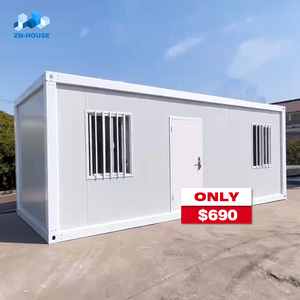
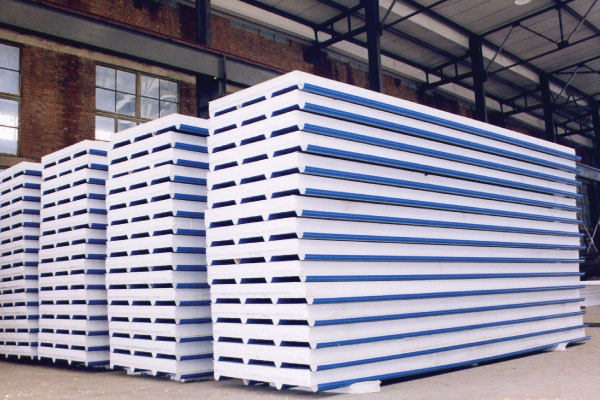
Galvanized and Aluzinc sub-framing paired with insulated EPS/PU wall assemblies for all-weather thermal efficiency.
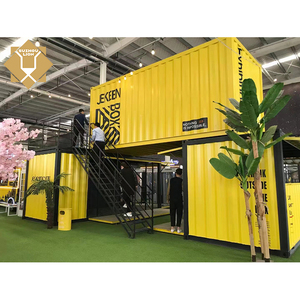
Standard intermodal transport geometry utilizing anti-corrosive coated structural steel for rapid jobsite deployment.
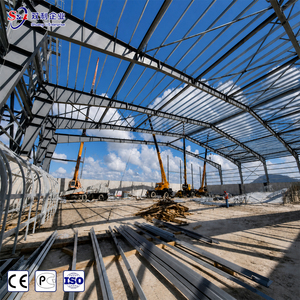
Designed for high wind-load coastal belts and seismic regions, utilizing ASTM A792 Galvalume outer roof envelopes.
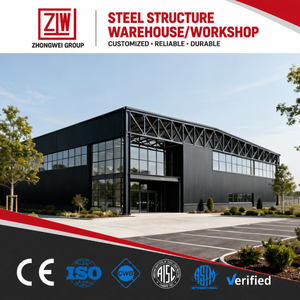
Pre-punched, precision CNC-cut framework delivered with color-coated weather envelopes for rapid assembly.
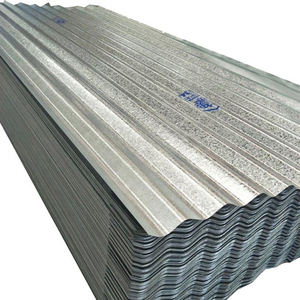
55% Al-Zn coating mass from AZ50 to AZ200, high tensile yield strength (G550/S350GD), anti-fingerprint surface passivation.
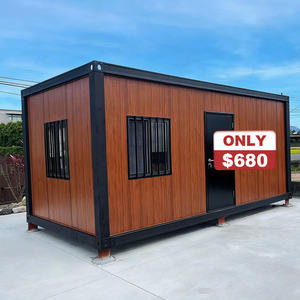
Modular container system featuring hot-dip coated base runners, integrated drain corners, and certified insulation slabs.
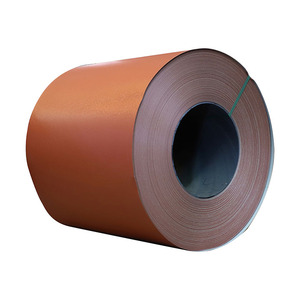
Continuous coil fluorocarbon PVDF 70/30 coating on Aluzinc substrate for extreme solar UV endurance and acid resistance.
Aluzinc (Galvalume) steel sheets represent a breakthrough in metallurgical corrosion engineering. Fabricated through an automated continuous hot-dip coating bath, the protective alloy composition consists of precisely 55% Aluminum, 43.4% Zinc, and 1.6% Silicon by weight. This precise stoichiometric balance produces a two-phase microstructural morphology that outperforms conventional hot-dip galvanized (GI) steel by a factor of two to six in atmospheric salt-spray and acidic industrial evaluations.
The microstructure comprises an aluminum-rich dendritic matrix that solidifies first, forming a resilient network of barrier platelets. Interspersed within these dendrites are zinc-rich non-dendritic intermetallic zones. When exposed to outdoor micro-climates, the zinc sacrificial mechanism is harnessed to provide cut-edge and scratch protection, electrochemically polarizing the steel core. Concurrently, the aluminum component oxidizes into an impermeable aluminum-oxide film that seals microscopic voids, stopping progressive galvanic depletion.
"CE Certification under EN 10346 and the EU Construction Products Regulation (CPR 305/2011) verifies mechanical tensile thresholds, bending flexibility, and uniform mass distribution across entire coil runs."
Silicon is integrated at 1.6% not as a passive additive, but to control the exothermic iron-aluminum reaction during the 600°C molten dip cycle. This suppresses the brittle Fe-Al intermetallic alloy boundary layer to under 1.5 microns, ensuring severe roll-forming, deep-drawing, and uncracked lock-seaming performance across all automated roofing machines.
Full compliance testing conducted under ISO/IEC 17025 accredited laboratory conditions for mill test certification (MTC EN 10204 3.1).
| Standard & Grade | Yield Strength (MPa) | Tensile Strength (MPa) | Elongation (A80 %) | Coating Designation | CE CPR Compliance |
|---|---|---|---|---|---|
| EN 10346 DX51D+AZ (Commercial Lock-Forming) | 140 – 300 | 270 – 500 | ≥ 22% | AZ70 / AZ100 / AZ150 | Certified (DoP Avail.) |
| EN 10346 S350GD+AZ (Structural Load-Bearing) | ≥ 350 | ≥ 420 | ≥ 16% | AZ100 / AZ150 / AZ180 | Certified (DoP Avail.) |
| EN 10346 S550GD+AZ (Full Hard Roofing Panels) | ≥ 550 | ≥ 560 | — | AZ150 / AZ200 | Certified (DoP Avail.) |
| ASTM A792 / A792M CS Type B (Utility Envelopes) | 205 – 380 | ≥ 340 | ≥ 20% | AZM150 (0.50 oz/ft²) | Equivalent Norm |
| ASTM A792 Grade 80 [550] (High-Tensile Cladding) | ≥ 550 (80 ksi) | ≥ 570 (82 ksi) | — | AZM150 / AZM180 | Equivalent Norm |
| JIS G3321 SGLCC / SGLCD (Deep Drawing Quality) | 170 – 310 | 270 – 440 | ≥ 27% | AZ90 / AZ150 | Global Verified |
Founded in 2010 under the guiding ethos of precision steel architecture, our company has grown from an industrial pioneer into a globally recognized producer and turnkey project fabricator. Spanning more than 352 completed mega-projects across 120 multinational clients, our operations merge high-output cold rolling mills, continuous alloy galvanizing furnaces, and specialized automated roll-forming technologies.
Every metric ton of Aluzinc steel coil is subjected to multi-stage metallurgical quality assurance. Pre-treatment chemical degreasing removes all rolling oil residues before the substrate enters the radiant non-oxidizing annealing furnace (NOF). Thermal profiles are laser-monitored to balance crystalline grain growth, guaranteeing prescribed ductility for downstream roof standing-seam profiling without micro-fracturing the outer coating layer.
Our dual-pot zinc-aluminum bath employs automated air-knife systems with closed-loop X-ray fluorescence (XRF) sensors. This yields an exact coating weight tolerance across the entire sheet width (±3g/m²), eliminating thin-spots that cause premature edge breakdown. Furthermore, an integrated chemical coater deposits transparent or tinted acrylic anti-fingerprint (AFP) resin, delivering exceptional jobsite wet-stack stain resistance and surface friction minimization.
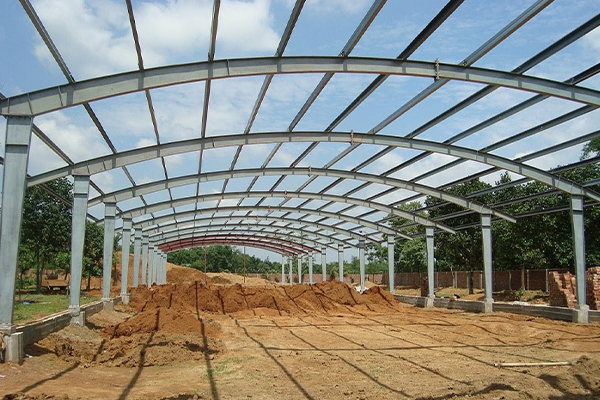
Industrial manufacturing plants, cold stores, aircraft hangars, and automated warehouses.
Consistent operational leadership in advanced metallurgy and pre-engineered steel buildings since 2010.
Licensed structural engineers, QA/QC metallurgists, certified welders, and international logistics directors.
Factory Production Control audits validated for European, North American, and Southeast Asian delivery.
Critical insights for global EPC contractors, structural designers, and industrial sourcing managers navigating green steel mandates, regulatory tariffs, and total cost of ownership (TCO) benchmarks.
European Union Carbon Border Adjustment Mechanism (CBAM) enforcement has shifted steel buying from baseline CIF price per metric ton to embedded carbon intensity metrics. Sourcing managers now prioritize mills running Electric Arc Furnaces (EAF) utilizing green hydrogen direct-reduced iron (DRI). Low-carbon Aluzinc coils backed by audited Environmental Product Declarations (EPD) are rapidly becoming compulsory for large-scale European real estate and municipal infrastructure assets.
Life Cycle Cost (LCC) calculations over 30-year operational periods demonstrate that pure zinc GI sheets experience premature localized pitting in atmospheric sulfur dioxide and maritime salt aerosol settings. Tier-1 engineering consultants have systematized the switch to 55% Al-Zn alloy coatings (minimum AZ150 specification), reducing envelope replacement frequency, curtailing warranty claims, and drastically lowering lifetime structural maintenance budgets.
Procurement contracts increasingly require dynamic batch verification. Modern supply chains reject standard static paper certificates in favor of encrypted QR-linked Mill Test Certificates (MTC 3.1) linked directly to coil heat numbers, robotic mechanical tensile bench reports, and spectrometer chemical assay archives. This level of transparency protects engineering buyers against non-conforming secondary-market mixed steel batches.
Next-generation thermal, mechanical, and chemical processing driving solar efficiency, self-healing edges, and extended structural life cycles.
Global building energy codes like ASHRAE 90.1, LEED v4.1, and EU Title 24 require building roofs to meet high Solar Reflectance Index (SRI) criteria. Natural spangled Aluzinc sheets inherently reflect up to 75% of solar infrared radiation, keeping conditioned industrial workspaces up to 5-8°C cooler during peak midday heat. Advanced nano-ceramic clear passivation coatings enhance this effect by preventing heat-absorbing dirt pickup while preventing atmospheric chemical dulling over time.
Strict compliance with European REACH (EC 1907/2006) and RoHS environmental directives has rendered old hexavalent chromate passivation lines obsolete. Modern continuous lines utilize titanium-zirconium conversion layers or organic silane nano-thin matrices. These eco-formulations pass 1000-hour neutral salt spray (NSS) assessments without degrading paint bonding performance or emitting toxic processing effluent.
By leveraging ultra-precise cold rolling reduction passes exceeding 75% combined with continuous stress-relief annealing, modern S550GD Aluzinc provides yield strengths up to 550 MPa at thin gauges (0.15mm - 0.40mm). This allows structural engineers to span wider purlin bays with lower steel weight per square meter, drastically cutting global freight costs and roof frame deadloads without sacrificing snow or wind resistance.
Clear, authoritative technical answers addressing metallurgical specs, international compliance, and global delivery procedures.
Under the EU Construction Products Regulation (CPR No 305/2011), any structural steel component or metal cladding integrated permanently into civil structures must bear the CE mark according to EN 14782 (self-supporting sheets) or EN 1090-1. CE compliance requires an initial third-party Notified Body audit, certified Factory Production Control (FPC), and a legally binding Declaration of Performance (DoP) covering mechanical load tolerances, fire classifications (EN 13501-1 Class A1 non-combustibility), and precise metallic coating thickness verification.
When an Aluzinc sheet is sheared or punched on site, the exposed core steel edge is protected by a dual chemical mechanism. Initially, the adjacent zinc phase dissolves preferentially, cathodically polarizing the bare carbon iron edge to stop red rust. Simultaneously, the dissolved aluminum compounds react with ambient moisture and carbon dioxide to form an insoluble aluminum hydroxide and zinc carbonate film over the edge face. This edge-passivating layer stops zinc depletion far better than on pure GI sheets, preventing destructive lateral creep corrosion.
Coating mass selection must strictly correlate to ISO 12944 atmospheric corrosivity categories. For mild indoor dry enclosures (C1-C2), AZ70 or AZ100 provides adequate service life. For typical suburban, urban, and moderate industrial outdoor environments (C3), the global industry standard benchmark is AZ150 (150 g/m² total both sides). For coastal locations within 1 to 5 kilometers of breaking surf, heavy chemical processing hubs, or livestock farming facilities emitting high ammonia levels (C4-C5), AZ180 or AZ200 combined with a barrier PVDF coating is mandatory to guarantee 25+ years of maintenance-free performance.
No metallic aluminum-zinc alloy coating should ever remain in direct contact with wet uncured concrete, moist lime plaster, or unseasoned treated timber. Wet concrete generates an aggressive alkaline environment (pH > 12.5) that rapidly dissolves the amphoteric aluminum-oxide passivation film, causing severe pitting. Wet timber treated with copper-based preservatives (CCA or ACQ) triggers severe galvanic corrosion between free copper ions and the zinc-aluminum matrix. A heavy bitumen barrier, specialized isolation tape, or high-density EPDM flashing must separate the metal surfaces.
Ocean container transit exposes cargo to humidity and condensation cycles. Our standard export packaging complies with seaworthy standards: coils or sheet packs are wrapped in multi-layer VCI (Vapor Corrosion Inhibitor) waterproof crepe paper, covered with outer galvanized steel protection shells, edge-protected with heavy steel rings, and bound with radial and circumferential high-tensile steel straps. Base pallets feature heat-treated fumigated timber (ISPM 15) arranged for eye-to-sky or eye-to-wall crane handling without mechanical surface abrasion.
Every production master coil is tested according to ASTM A792 / EN 10346 methods. Laboratory technicians cut samples from coil ends to execute 180° mandrel bend tests, ball punch stretching assessments, coating mass triple-spot weight tests via chemical weigh-strip-weigh methods, and optical spectrometer base-metal chemistry verification. Dimensional tolerances adhere to EN 10143 precision limits, guaranteeing tight control over sheet thickness, camber, and out-of-squareness for roll forming lines.
Whether you require master mother coils, slit-to-width coils, corrugated ibr/trapezoidal roofing profiles, or complete pre-engineered building envelopes, our metallurgical engineering team provides comprehensive technical support, competitive FOB/CIF freight terms, and verified test certificates.