Direct factory-manufactured color-coated steel products certified to ASTM, EN, and JIS standards. Fully optimized for cold roll-forming, standing seam architectural panels, insulated sandwich cores, and high-tolerance exterior envelope engineering in coastal marine zones.
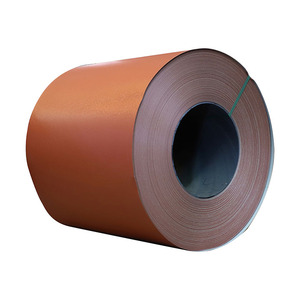 PVDF 70/30
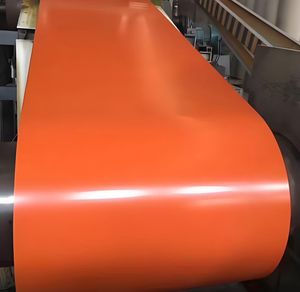 ASTM A755
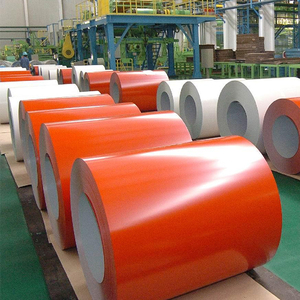 Aluzinc AZ150
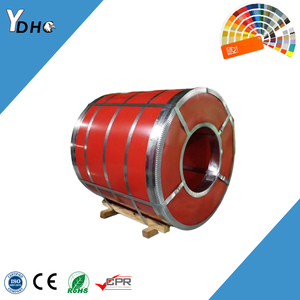 SMP High-Dura
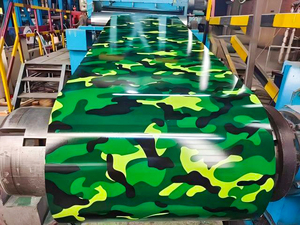 ASTM A653 G90
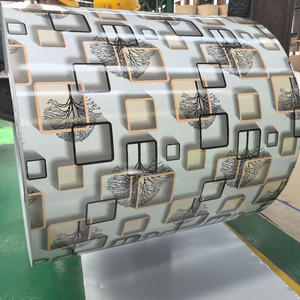 RAL Customized
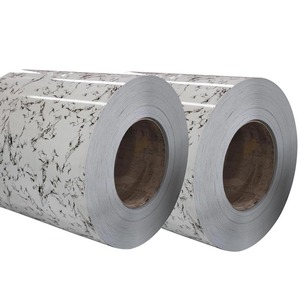 Heavy Zinc Z275
Procuring prepainted galvanized steel (PPGI) and prepainted galvalume steel (PPGL) for San Francisco and the wider Northern California Bay Area requires an engineering approach that accounts for one of North America’s most distinct, microclimate-driven building environments. Unlike uniform inland desert zones or stable humid subtropical climates, the Bay Area experiences radical atmospheric moisture swings. The dense advection marine layer—famously pulled inland through the Golden Gate straight into the East Bay—transports airborne chlorides directly across structural building envelopes.
When atmospheric relative humidity spikes above 80% during foggy San Francisco nights and drops abruptly during sunny, breezy afternoons, steel building cladding undergoes relentless cyclic wet/dry condensation. For commercial distribution centers in South San Francisco, architectural curtain walls along the Embarcadero, or advanced technology manufacturing hubs in the South Bay (Silicon Valley), baseline commercial polyester (PE) coatings on light zinc substrates (Z80 to Z100) experience micro-cracking, osmotic blistering, and premature edge creep within 36 to 60 months.
Airborne ocean salts precipitate on low-pitch roofs. Heavy zinc (Z275) creates sacrificial galvanic protection, while fluoropolymer polymers prevent ion penetration to the intermetallic zinc-iron alloy layer.
Northern California’s intense inland summer UV degrades low-grade polyesters. PVDF coatings utilize chemical carbon-fluorine bonds (C-F)—one of the strongest known molecular bonds—preventing chalking and color fade.
Rapid diurnal temperature swings cause continuous thermal expansion and contraction in roll-formed profiles. Our continuous coil lines achieve exceptional 0T-2T bending elasticity without microscopic micro-crazing.
Architects, general contractors, and structural engineers in San Francisco, Oakland, and San Jose must adhere to the stringent mandates of the California Building Standards Code (Title 24, Part 6). Standard commodity prepainted coils imported from unverified distributors frequently fail to meet California’s envelope solar reflectance standards, exposing building owners to severe inspection delays and non-compliance fines.
Under Title 24, Part 6, exterior metal roofing must maintain verified Solar Reflectance Index (SRI) thresholds to minimize the urban heat island effect across Bay Area metropolitan corridors:
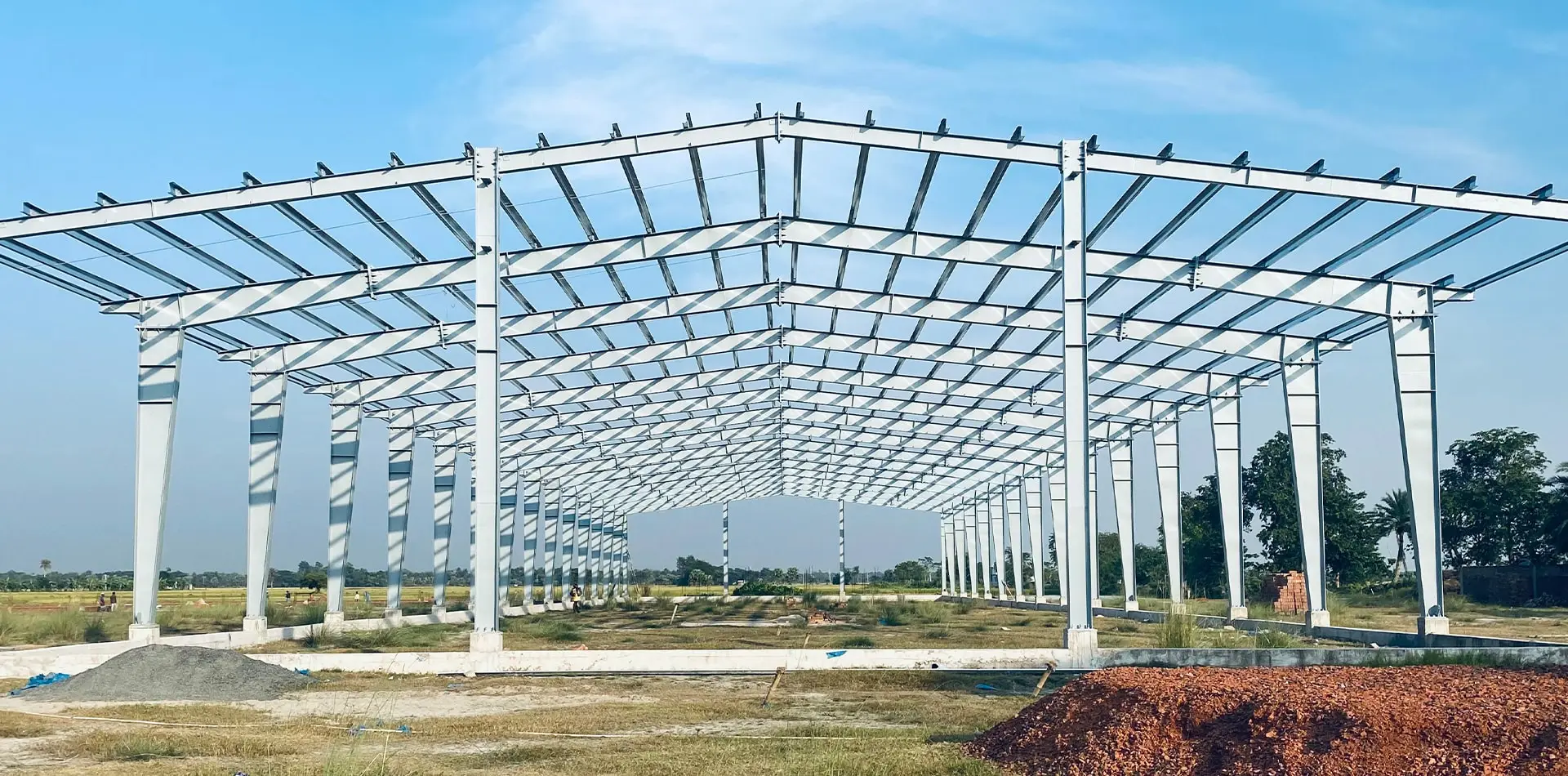
Public infrastructure, community colleges, and municipal projects throughout Alameda, Contra Costa, and San Francisco counties fall under the statutory jurisdiction of the Buy Clean California Act. This legislation requires facility-specific Environmental Product Declarations (EPDs) validating that the cradle-to-gate Global Warming Potential (GWP) of hot-rolled, cold-formed, and hollow structural sections remains below state benchmarks.
Our strategic manufacturing facilities employ energy-efficient recuperative thermal oxidizers on color-coating runs and source scrap-optimized Electric Arc Furnace (EAF) and optimized BOF steel feedstocks, ensuring your procurement documentation complies seamlessly with LEED v4.1 MR credits and Bay Area municipal procurement bylaws.
Selecting the precise alloy substrate and chemical paint finish is the critical decision point between lasting commercial envelope integrity and early localized coating degradation. Below is our engineering comparison guide for Bay Area structural buyers:
| Coating System | Resin Chemistry | Salt Spray (ASTM B117) | QUV Weathering (ASTM G154) | SRI Range | Optimal Bay Area Use Case |
|---|---|---|---|---|---|
| PVDF 70/30 (Kynar 500) | Fluoropolymer + Acrylic Topcoat | ≥ 1,500 Hours (Zero Blister) | ≥ 3,000 Hours (Chalk < 8) | 78 - 85 (Cool Whites) | Coastal SF, Presidio, Embarcadero, Biotech Curtain Walls |
| Super Durable SMP | Silicone Modified Polyester | ≥ 1,000 Hours | ≥ 2,000 Hours | 29 - 65 (IR Pigments) | Inland East Bay (Hayward, Fremont, Livermore) Warehouses |
| High-Durable Polyester (HDP) | Linear High-Crosslink PE | ≥ 800 Hours | ≥ 1,500 Hours | 25 - 55 | South Bay Commercial Canopies, Retail Awnings, Fascia |
| Standard Polyester (PE) | Standard Thermosetting PE | ≥ 500 Hours | ≥ 800 Hours | 20 - 45 | Temporary Enclosures, Site Sheds, Interior Partitions |
*All test specimens evaluated over skin-passed zero-spangle galvanized base metal (minimum Z275/AZ150) pretreated with chrome-free conversion passivation layers to comply with California Proposition 65 and RoHS thresholds.
Behind every coil and custom panel stands an industrial infrastructure built on continuous innovation since 2010. Having executed more than 352+ major structural installations for over 120 global clients, our engineering scope extends far beyond basic metal coating into integrated Pre-Engineered Steel Building (PEB) design, cold roll-forming, and high-performance sandwich panel production.
Our facility houses 100+ seasoned fabrication technicians, certified structural welding inspectors, and metallurgists operating under IATF 16949 and ISO 9001 quality regimens. Every master coil undergoes rigorous mechanical stress verification, yield testing, cross-hatch paint adhesion (ASTM D3359), and specular gloss uniformity checks prior to export packing.
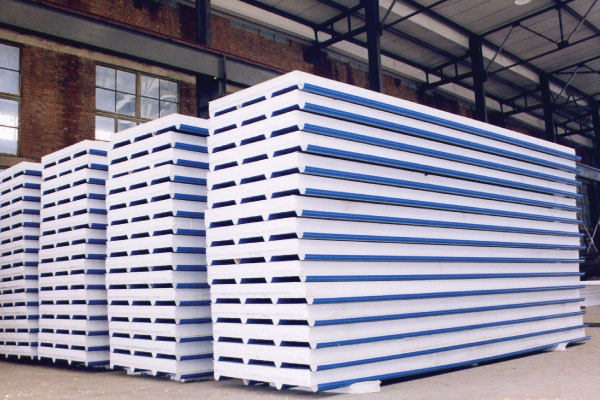
We bond prepainted exterior facings with non-combustible Rock Wool, Class-1 Polyurethane (PU/PIR), and EPS cores for cold-storage facilities, server cleanrooms, and thermal-break enclosures.
Equipped with advanced CNC punching, press-brake folding, and robotic welding, we fabricate custom metal flashing, architectural louvers, seismic trim profiles, and roof drainage accessories.
Strategically routed ocean freight shipments dispatch straight to the Port of Oakland with seaworthy eye-to-sky packaging, vapor-corrosion-inhibitor (VCI) wrapping, and steel strap security.
Building in Northern California requires addressing the world's most active seismic fault zones (San Andreas, Hayward, and Calaveras faults). Secondary structural framing, roof diaphragms, and prepainted exterior envelope panels must withstand lateral drift and racking forces without fastener tear-out or structural joint disengagement.
In high Seismic Design Categories (SDC D, E, and F common throughout San Francisco and Alameda counties), steel roofing and wall siding are engineered not merely as weather barriers, but as semi-rigid diaphragm shear transfer systems. We supply prepainted coils engineered with tailored yield-to-tensile ratios (Fu/Fy ≥ 1.08) and high ductility, preventing brittle rupture at self-drilling screw connections during lateral seismic shaking.
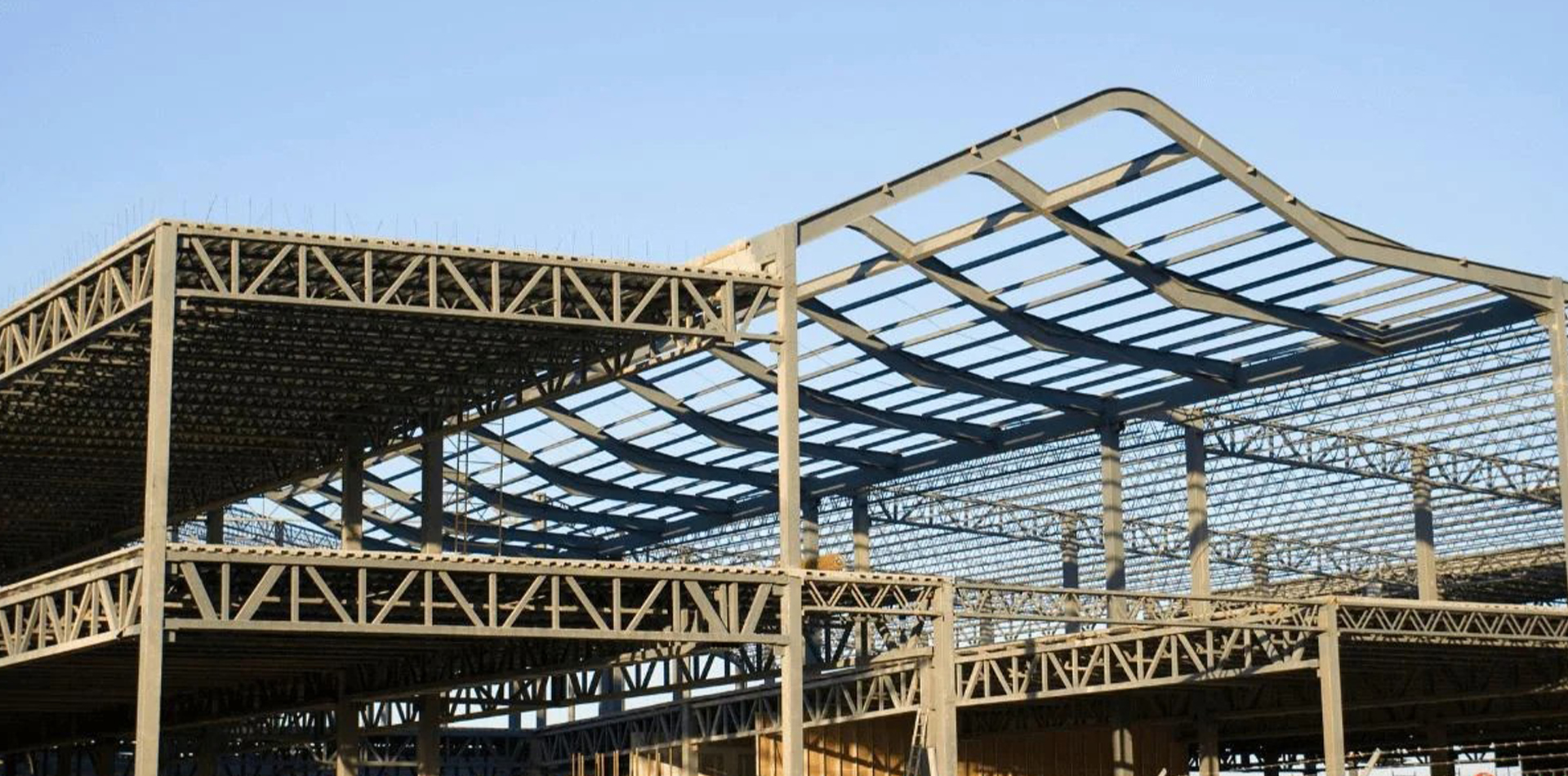
From biotech R&D facilities in South San Francisco to multi-story fulfillment centers in the East Bay, prepainted steel sheets must deliver cleanroom-grade surface purity. Our anti-static, antimicrobial, and chemical-resistant topcoats withstand aggressive vaporous hydrogen peroxide (VHP) and chlorine-based sanitation washdowns without blistering or finish hazing.
For warehouse cold chain facilities, our insulated sandwich panels featuring high-density mineral wool or PIR insulation cores deliver certified thermal break continuity, driving down continuous HVAC refrigeration loads across high California utility rate structures (PG&E).
Clear, authoritative answers addressing customs clearance, Port of Oakland freight times, ASTM vs. international code equivalency, and protective packaging against ocean salt rust.
Ocean freight transit from our main loading ports (Shanghai, Qingdao, or Tianjin) to the Port of Oakland typically takes between 14 and 18 days on direct trans-Pacific lanes. Standard factory production lead times for customized RAL colors and slitted coils range from 15 to 25 business days. Total project fulfillment—from initial approved Mill Test Certificates (MTC) to container discharge and customs clearance in Northern California—is reliably achieved within 35 to 45 calendar days.
Every export coil is packaged according to strict heavy-duty seaworthy standards: inner steel sleeve core protection, high-efficiency vapor corrosion inhibitor (VCI) anti-rust poly wrap, heavy corrugated galvanized steel outer edge guards, circumferential and radial high-tensile steel strapping (minimum 4 radial, 3 circular bands), and hermetically sealed moisture-absorbing desiccant sachets inside each core. Coils are locked onto wooden saddles reinforced for intermodal container transit.
Yes. All our shipments are accompanied by certified EN 10204 Type 3.1 Mill Test Certificates (MTC) documenting complete metallurgical traceability: ladle heat chemical analysis (C, Mn, P, S, Si), yield strength (Fy), ultimate tensile strength (Fu), elongation percentage, zinc coating mass (dual-side weigh test per ASTM A90), paint dry film thickness (DFT), MEK solvent double-rub passes, and T-bend ratings. On demand, we facilitate independent third-party inspection and certification through SGS, BV, or Intertek prior to port departure.
Our export lines cross-calibrate to American ASTM A653 / A653M (Standard Specification for Steel Sheet, Zinc-Coated / Galvanized), ASTM A755 (Metallic Coated by the Hot-Dip Process and Prepainted by the Coil-Coating Process), and ASTM A792 (55% Aluminum-Zinc Alloy-Coated). These align cleanly with Chinese standards GB/T 12754 and Japanese standards JIS G 3312. When engineering submittals require ASTM designation, your shop drawings and physical test documents reflect ASTM naming conventions directly.
For sites located within 1 mile of the Pacific shoreline or the open San Francisco Bay (Embarcadero, Mission Bay, Treasure Island, Alameda waterfront, South San Francisco marina zones), we strictly mandate a 70% PVDF resin system (minimum 25µm topcoat + 5µm polyurethane/epoxy primer) over an AZ150 Aluzinc or Z275 heavy galvanized substrate. This configuration provides a certified 20-to-30-year coastal warranty against film integrity failure, peeling, or chalking under intense salt-fog conditions.
We work with US importers and general contractors under multiple Incoterms: FOB, CIF Port of Oakland, or full DDP (Delivered Duty Paid) directly to your jobsite or distribution yard in San Francisco, Hayward, San Jose, or Richmond. Under DDP terms, all customs brokerage, ISF filing, Section 232 tariff documentation, Harbor Maintenance Fees (HMF), and local container drayage are fully coordinated by our licensed US logistics partners for frictionless delivery.