
Export-ready prefabricated structural components, insulated sandwich panels, and heat-reflective profiles designed to eliminate thermal bridging, minimize solar flux, and endure severe sand and dust storms across Iraq.
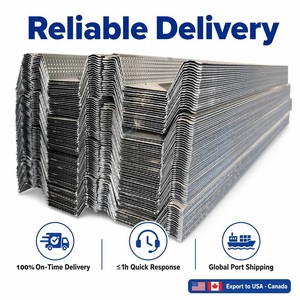
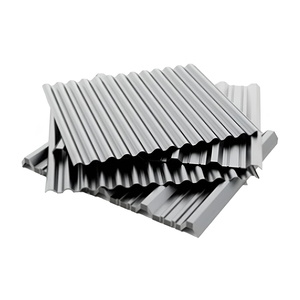
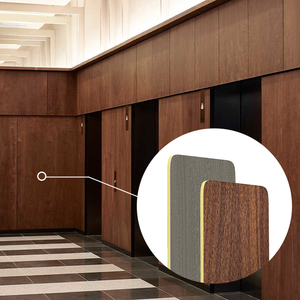
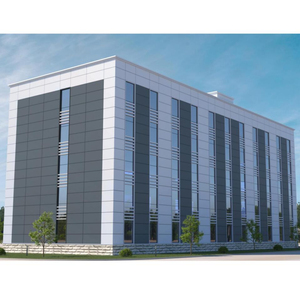
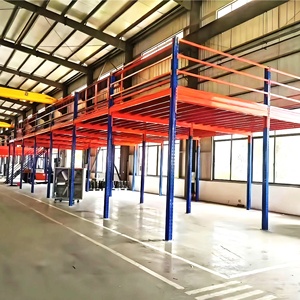
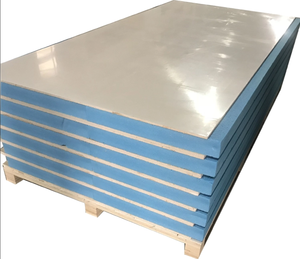

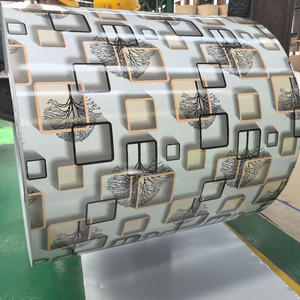
A rigorous examination of radiant heat transfer, solar flux dynamics, thermal bridging elimination, and convective cooling systems in high-span pre-engineered steel buildings.
Industrial pre-engineered steel buildings (PEB) erected throughout the Republic of Iraq operate under some of the most punishing thermodynamic conditions on earth. During peak summer months, ambient shade temperatures across the Mesopotamian plain—particularly in southern industrial regions such as Basra, Zubair, and Nasiriyah—routinely surpass 52°C to 54°C. More critically, unmitigated metallic roof surfaces exposed to continuous horizontal solar irradiance absorb massive thermal energy, driving bare skin metal temperatures upward of 82°C (180°F).
Without an engineered, multi-layered heat proof roofing assembly, an industrial building transforms into an unmanageable radiant heat furnace. Radiant heat flux from the roof sheets radiates downward into occupied working zones and inventory racks, placing catastrophic electrical demands on HVAC chillers, degrading stored temperature-sensitive pharmaceuticals and perishable food stocks, and causing profound labor productivity loss due to extreme heat stress (violating ISO 7243 standards).
Deploying PVDF high-albedo coatings delivering an SRI ≥ 82. This ensures over 75% of solar radiation is immediately reflected rather than absorbed into the steel substrate, dramatically curtailing sensible surface temperatures.
Traditional through-fastened roofing creates millions of micro-bridges. Our solutions utilize continuous concealed-clip standing seam panels with thermal spacer blocks that isolate the exterior skin from cold-formed purlins.
Ultra-low thermal conductivity cores (λ ≤ 0.020 W/m·K for PIR; non-combustible A1 Rockwool with λ ≤ 0.040 W/m·K) engineered to sustain minimum U-values of 0.22 W/m²·K across continuous service lifespans.
Heat ingress into a steel facility occurs through three simultaneous vectors: electromagnetic solar radiation ($q_{rad}$), convection from blistering exterior air masses ($q_{conv}$), and conductive transfer across structural purlins and fastners ($q_{cond}$). The cumulative heat flux ($Q$) through the roof envelope can be mathematically represented as:
Q = U · A · (T_sol-air - T_indoor)
Where T_sol-air accounts for the combined effect of ambient temperature, solar radiation absorption ($\alpha$), and long-wave radiant heat exchange. In central and southern Iraq, where horizontal solar irradiance reaches 1,000 to 1,150 W/m² at solar noon, a low-albedo, uninsulated corrugated roof results in a T_sol-air exceeding 90°C. By contrast, integrating a Joint Star Steel multi-stage insulated roof solution—incorporating cool-roof chemistry with high-density polyurethane (PU/PIR) or structural rock wool core sandwich systems—lowers the effective heat ingress coefficient by up to 78%, reducing indoor ambient temperatures by 12°C to 18°C without active chiller intervention.
Quantitative technical data comparing insulation materials under continuous exposure to desert UV radiation, thermal expansion stress, and industrial fire codes.
| Insulation Core Type | Thermal Conductivity (λ) | Standard Thickness | Calculated U-Value | Fire Safety Rating | Compressive Strength | Primary Iraq Application |
|---|---|---|---|---|---|---|
| High-Density PIR (Polyisocyanurate) | 0.020 – 0.022 W/m·K | 75 mm / 100 mm | 0.20 – 0.26 W/m²·K | B-s1, d0 (Self-Extinguishing) | ≥ 150 kPa | Pharma, Cold Storage, Food Processing |
| Rigid PU (Polyurethane) | 0.022 – 0.024 W/m·K | 50 mm / 75 mm | 0.28 – 0.35 W/m²·K | B2 / B3 Class | ≥ 140 kPa | General Warehousing, Distribution Hubs |
| High-Density Rockwool (Basalt) | 0.038 – 0.042 W/m·K | 100 mm / 150 mm | 0.24 – 0.36 W/m²·K | Class A1 (Non-Combustible) | ≥ 100 kPa | Oil & Gas Refineries, Hazardous Storage |
| Expanded Polystyrene (EPS) | 0.036 – 0.040 W/m·K | 75 mm / 100 mm | 0.36 – 0.45 W/m²·K | B1 Flame Retardant | ≥ 80 kPa | Site Offices, Temporary Camps, Ag Sheds |
| Double-Skin Standing Seam + Glasswool | 0.034 – 0.038 W/m·K | 100 mm (Compressed) | 0.32 – 0.38 W/m²·K | Class A Non-Combustible | Elastic Blanket | Large-Span Workshops, Aircraft Hangars |
From maritime salt fog in Basra to the arid dust flats of Anbar and the sub-zero winter winds of Kurdistan, our PEB roofing systems are custom-tailored to regional geographic stress factors.
Extreme saline humidity combined with +52°C heat in the Persian Gulf coastal zone necessitates C5-M marine-grade anti-corrosion prepainted sheets (PVDF 35μm) coupled with PIR sandwich panels resisting sulfur dioxide and chemical washdowns.
Intense desert UV exposure and extreme electrical utility load shedding require ultra-low U-value roofs that function passively. PIR and Rockwool panels reduce dependence on unstable local grid electricity, preserving goods during outages.
Marked diurnal temperature cycles (45°C summers down to -5°C winters) require standing seam roof designs with sliding thermal clips to absorb longitudinal expansion and contraction without tearing fastener holes or inducing leakage.
Violent sandstorms and abrasive particulate winds require high abrasion-resistant coatings (Polyurethane-Polyamide HDP) combined with interlocking tongue-and-groove joint gaskets that prevent micro-dust infiltration into clean storage bays.
How legislative updates, energy constraints, and foreign investment standards are altering structural steel specifications across Iraqi ministries and private conglomerates.
Iraqi Civil Defense and international insurance underwriters now heavily disincentivize standard combustible foam cores. High-density Rockwool and FM-approved PIR panels with Class A fire propagation indices are becoming standard tender requirements for logistics parks in Baghdad and Basra.
With industrial electricity tariffs rising and regional diesel generator reliance generating massive OPEX overheads, project developers actively calculate thermal payback. Advanced roof insulation systems typically pay for themselves within 14 to 22 months purely via reduced HVAC generator runtime.
Post-war rebuilding programs funded by international donor agencies and domestic food producers have triggered a surge in cold-chain logistics. Facilities demand high-integrity concealed-fastener panels featuring airtight cam-locks capable of sustaining internal temperatures from -25°C to +4°C.
Iraqi general contractors are shifting away from fragmented multi-vendor procurement models. Developers demand single-point accountability where steel structural analysis, primary framing fabrication, sandwich panel manufacturing, and site supervision are managed under one master contract.
Operating since 2010 with over 352 completed facilities, Joint Star Steel Structure Ltd. delivers integrated pre-engineered building solutions from design to global export.
Whether you are expanding a logistics park in Erbil, constructing oilfield supply facilities in Zubair, or erecting food storage warehouses in Baghdad, our engineering department provides rapid 48-hour structural optimization and thermal insulation calculations tailored to your site coordinates.
Critical answers concerning import documentation, thermal calculations, customs clearance, and on-site erection support for Iraqi projects.
We routinely organize containerized (40ft HQ) and break-bulk charter shipments bound directly for the Port of Umm Qasr (North and South terminals). To comply fully with Iraqi Central Organization for Standardization and Quality Control (COSQC) regulations, we coordinate pre-shipment inspections (PSI) and provide verified Certificates of Conformity (CoC / COI) through accredited testing bodies such as Bureau Veritas, SGS, or TÜV. All commercial invoices, legalized Certificates of Origin, packing lists with barcoded structural piece-marks, and bill of ladings are formatted for expedited clearance through Iraqi customs checkpoints.
From a pure thermal resistance standpoint, PIR (Polyisocyanurate) is superior. With a thermal conductivity of λ ≈ 0.021 W/m·K, a 100mm PIR panel delivers an exceptional U-value of approximately 0.21 W/m²·K. To achieve that same thermal barrier with Rockwool (λ ≈ 0.040 W/m·K), a thickness of nearly 180mm is required, which significantly increases structural roof dead-weight. However, for oil and gas facilities around Rumaila or Zubair where non-combustible Class A fire safety regulations are mandatory, high-density Rockwool (100–120 kg/m³) is preferred due to its non-combustible nature and ability to withstand temperatures exceeding 1000°C.
Airborne sand particles in Iraq act as natural sandblasting agents that degrade conventional polyester coatings within 3 to 5 years. For roofing deployed in Iraq, we exclusively recommend PVDF (Polyvinylidene Fluoride, 70/30 Kynar 500) or High-Durability Polyester (HDP) with a minimum 25–35 micron dry film thickness (DFT). These coatings resist high mechanical abrasion, maintain color stability against severe UV radiation, and feature factory-installed EPDM micro-cellular compressible gaskets along the panel seams to prevent micro-fine sand infiltration into the building envelope.
In regions where the surface of a 60-meter steel roof can shift through a temperature delta (ΔT) of 60°C between winter nights and summer midday, rigid through-fastening causes metal fatigue and torn screw holes. We utilize concealed-fastener 360-degree standing seam roofing panels attached with two-piece movable sliding thermal clips. These clips permit up to 50mm of bidirectional longitudinal thermal movement of the outer skin without stressing the structural purlin connections, entirely eliminating elongated puncture leaks.
Yes. In alignment with our 15+ year operational record, Joint Star Steel provides comprehensive turnkey structural building kits. This includes custom built-up H-columns and tapered rafters (Q355B / ASTM A572 Grade 50), cold-formed galvanized Z & C purlins, wind bracing rods, foundation anchor bolt layouts, flashing trims, ridge caps, and high-tensile connection bolts (Grade 8.8 / 10.9). Detailed structural calculation books and 3D Tekla erection models are provided for approval by local Iraqi municipal authorities or project consulting engineers.
Standard fabrication for a 5,000 to 10,000 square meter pre-engineered building with insulated roof panels requires approximately 20 to 30 calendar days from drawing sign-off and LC/deposit confirmation. Ocean freight transit to the Port of Umm Qasr typically requires 18 to 25 days depending on the shipping line schedule. Overland transit from Umm Qasr to major industrial centers like Baghdad, Najaf, or Erbil is handled by our local partner trucking networks or your nominated freight logistics forwarders.
Yes. We provide complete technical erection documentation, consisting of sequential assembly diagrams, panel cut lists, fastener torque specifications, and sealing protocols in English and Arabic. Furthermore, for large-scale industrial projects across Federal Iraq and the Kurdistan Region, we can deploy seasoned installation supervisors to direct your local erector crews, verify panel vapor-barrier sealing, and certify structural bolt tensioning prior to facility commissioning.
Consult with our technical engineering desk today. We will calculate your building's thermodynamic heat flux, recommend the optimal core thickness (PIR/Rockwool), and prepare a comprehensive, competitive CIF Umm Qasr commercial proposal.