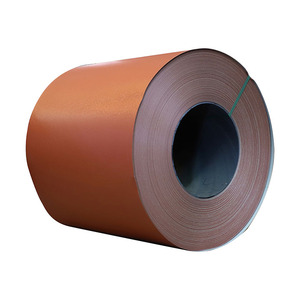
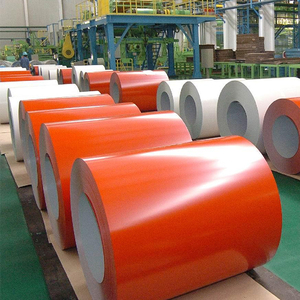
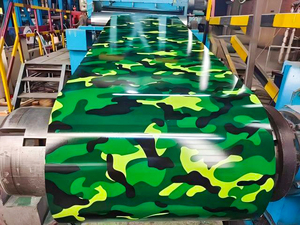
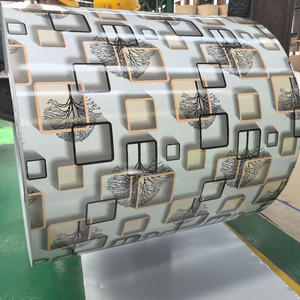
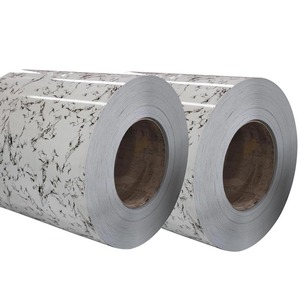
Ral 9016 Different Gauge Prepainted Galvanized 4x8 Colored Pvdf Coating Steel Sheets
- Standard: ASTM A755 / EN 10169
- Coating Type: 70% Kynar 500 PVDF
- Substrate Zinc: Z120 – Z275 g/m²
- Color Fidelity: RAL 9016 Traffic White
Engineered hot-dip galvanized and aluzinc-coated steel systems meeting global ASTM, EN, and JIS standards. Certified for roll forming, architectural cladding, thermal sandwich insulation, and precision fabrication.
Founded in 2010 in Dhaka under the mission "Your Future in Your Home", Joint Star Steel Structure Ltd. has expanded into a premier regional and export manufacturing hub. We eliminate the friction between coil processing and field erection by housing structural steel engineering, continuous coil coating, and architectural sandwich panel manufacturing under one unified quality management standard.
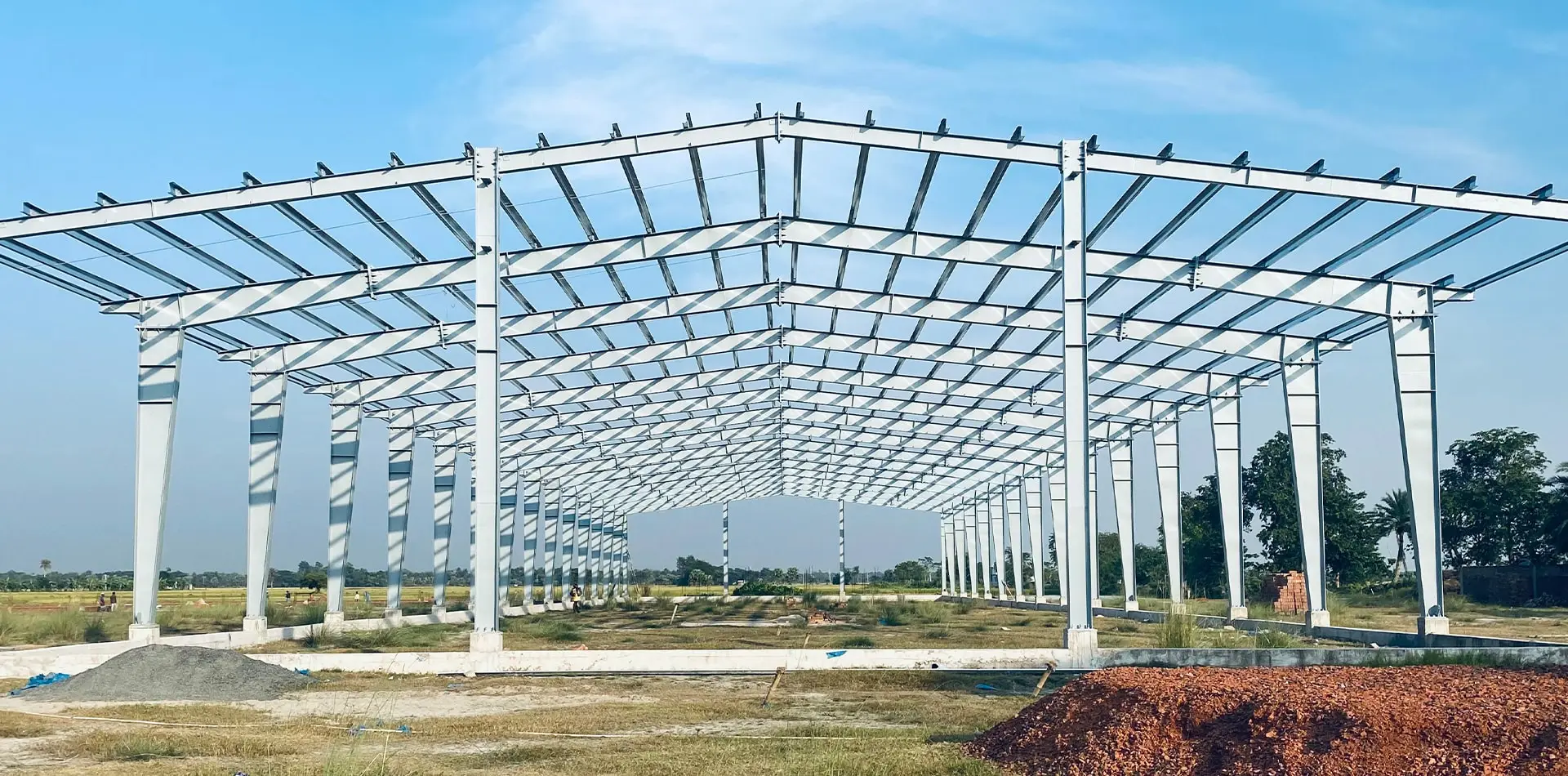
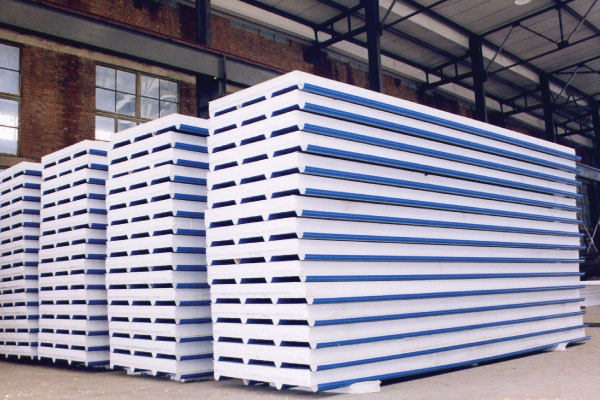
Unlike commodity brokers, Joint Star delivers end-to-end synergy: from structural steel portal frames, built-up H-beams, and C/Z purlins to factory-profiled PPGI/PPGL claddings and EPS, PU, and rock wool insulated panels. Interface risks between steel framing and outer envelopes are fully eliminated.
With more than 352 successfully commissioned industrial complexes, pharmaceutical facilities, multi-story warehouses, and export-grade garment factories for over 120 corporate clients, our engineering drawings and structural load modeling are verified by empirical jobsite performance.
All coil shipments and prefabricated members are supplied with EN 10204 3.1 Mill Test Certificates (MTC), verifiable heat numbers, zinc mass testing reports, cross-hatch paint adhesion metrics, and international export seaworthy packaging designed for open-sea transit.
Prepainted Galvanized Steel (PPGI) and Prepainted Galvalume/Aluzinc Steel (PPGL) are multi-layered composite materials engineered to resist atmospheric degradation, electrochemical oxidation, and intense solar radiation. A reliable coil begins with an ultra-clean cold-rolled core, conditioned through rigorous alkaline degreasing, hot water rinsing, and a nanoscale zirconium or chromate-free chemical conversion layer.
The cross-section encompasses five distinct protective boundaries: the high-purity steel core, the metallic zinc iron alloy crystal layer (Z120–Z275 g/m² or 55% Al-Zn AZ150), the chemically passivated conversion film, a high-density anti-corrosive primer (5–7μm polyurethane or epoxy), and an architectural finish topcoat (15–25μm PE, HDP, or PVDF) baked in a multi-zone convection curing oven.

Comparative reference for engineering specifiers, structural consultants, and industrial procurement directors selecting paint systems against aggressive atmospheric environments.
| Coating Polymer System | Resin Matrix & Chemistry | Nominal Film Build (Top/Back) | ASTM B117 Salt Spray | QUV-A 340nm UV Resistance | Recommended Industrial Macroclimate |
|---|---|---|---|---|---|
| Regular Polyester (PE) | Thermoset polyester resin crosslinked with melamine | 20μm / 5-7μm | 500 Hours | 1,000 Hours (ΔE ≤ 5.0) | Inland commercial roofing, dry warehouses, rural PEB sheds (C1–C2) |
| High-Durability Polyester (HDP) | High molecular weight branched polyester with UV stabilizers | 25μm / 7μm | 1,000 Hours | 2,000 Hours (ΔE ≤ 3.0) | Moderate industrial complexes, urban cladding, elevated humidity zones (C3) |
| Silicon Modified Polyester (SMP) | Polyester backbone modified with 30-50% silicone resin | 22μm / 7μm | 1,000 Hours | 2,500 Hours (ΔE ≤ 2.5) | High-sunlight arid zones, institutional roofs requiring chalk resistance |
| Polyvinylidene Fluoride (PVDF) | 70% Kynar 500 / Hylar 5000 fluoropolymer resin blend | 25-30μm / 10μm | 1,500 - 2,000 Hours | 4,000+ Hours (ΔE ≤ 1.5) | Coastal airports, chemical processing plants, prestige facades (C4–C5) |
| Polyurethane (PU) / Polyamide | Aliphatic polyurethane fortified with polyamide beads | 30-35μm / 10μm | 1,500 Hours | 2,500 Hours (ΔE ≤ 2.0) | High-abrasion sandstorm areas, industrial cold rooms, high-traffic roofs |
The international steel supply chain is undergoing profound structural shifts driven by decarbonization mandates, lifecycle economics, and extreme climatic volatility. Industrial buyers must transition from transactional spot purchasing to technical value-driven sourcing models.
With the European Union Carbon Border Adjustment Mechanism (CBAM) entering full financial execution, international procurement departments require comprehensive Environmental Product Declarations (EPD). Mill sourcing is shifting toward electric arc furnace (EAF) substrate routes and scrap-based steel production with certified carbon footprints under 1.2 tons CO₂ per ton of coated coil.
EPC contractors and sandwich panel manufacturers are abandoning standard master coils (1219mm / 1250mm) in favor of mill-slit, customized coils sized to exact purlin and panel profiles. Precision tolerances reduce drop-off scrap from 8.5% down to under 1.2%, optimizing logistics weights and ocean container payload density.
Driven by net-zero industrial architecture and LEED certifications, procurement specifications now mandate Total Solar Reflectance (TSR) ≥ 70% and a Solar Reflectance Index (SRI) > 82, even on darker architectural RAL profiles. Specialized ceramic pigments reflect near-infrared radiation, slashing warehouse internal temperatures by 4°C to 7°C.
Global steel buyers increasingly leverage formula-based quarterly index pricing linked to London Metal Exchange (LME) Zinc and Platts HRC benchmarks. Long-term suppliers like Joint Star provide integrated buffer stocking and scheduled rolling programs that insulate downstream infrastructure budgets from shipping and raw material spikes.
Technological breakthroughs in chemical formulation and substrate metallurgy are redefining how long-span structures endure severe corrosion and aggressive environmental exposure.
Traditional hot-dip galvanizing relies purely on zinc sacrificial protection. The next frontier in coated coil manufacturing integrates 1.5% to 3.0% magnesium into the eutectic aluminum-zinc bath. During atmospheric corrosion, magnesium ions dissolve to form a dense, insoluble simonkolleite crystal lattice that automatically flows over sheared edges, punched fastener holes, and micro-cracks.
By infusing titanium dioxide (TiO₂) nanoparticles and hydrophilic surface cross-linkers into the topcoat polymer, rainwater spreads evenly as a continuous water film rather than droplets. This process lifts airborne dirt, soot, and industrial dust, keeping factory envelopes spotless without chemical detergents. For pharmaceutical cleanrooms and food refrigeration facilities, silver-ion (Ag⁺) enriched primer/topcoat combinations neutralize 99.9% of bacterial colonizations (Escherichia coli and Staphylococcus aureus) per ISO 22196 testing.
In-depth technical answers addressing metallurgy, coating mass, quality verification, and logistics protocols for prepainted galvanized coils and composite panels.
The zinc mass designation defines the total weight of metallic zinc deposited on both surfaces of the steel substrate in grams per square meter. Z120 (120 g/m² total, ~8.5μm per side) and Z180 (180 g/m² total, ~12.5μm per side) are designed for benign indoor spaces or mild rural environments where condensation is minimal.
In contrast, Z275 (275 g/m² total, ~20μm per side) delivers roughly 135% more sacrificial zinc than Z120. In severe marine (C4/C5) environments with airborne chlorides, the sacrificial depletion rate of zinc can exceed 1.5–2.0μm annually once paint films suffer micro-abrasion. Specifying Z275 guarantees a structural barrier life of 25+ years without base metal pitting, satisfying ASTM A653 and EN 10346 engineering criteria.
PVDF coatings utilize a 70% fluoropolymer resin matrix (Kynar 500 / Hylar 5000) coupled with 30% thermoset acrylic. The carbon-fluorine (C-F) bond is one of the strongest chemical bonds in organic chemistry, possessing an energy threshold of approximately 485 kJ/mol—far surpassing the energy contained in terrestrial solar ultraviolet radiation (UV-A and UV-B at 300–400 nm).
Standard polyesters degrade as UV photon energy breaks their weaker carbon-carbon (C-C) and ester linkages, resulting in polymer chain scission, micro-fissures, pigment chalking, and drastic color drift (ΔE > 8 within 5 years). PVDF maintains an exceptional chalking rating of 8 or higher (ASTM D4214) and maintains a color variance of ΔE ≤ 2.0 over 20 to 30 years of severe tropical exposure.
Substrate selection is fundamentally determined by the final manufacturing method and mechanical load requirements:
• Full Hard G550 (ASTM A653 / AS 1397): Cold-reduced steel that bypasses the recrystallization annealing furnace. It exhibits a yield strength of ≥ 550 MPa and an ultimate tensile strength ≥ 570 MPa, with negligible elongation (≤ 2%). This grade is exceptionally stiff, allowing roll-formers to use thinner gauges (0.30mm–0.50mm) while maintaining structural deflection criteria under high cyclonic wind loads.
• Commercial & Deep Drawing DX51D / DX53D (EN 10346): Continuously annealed, soft-temper steel featuring a yield strength between 140–300 MPa, tensile strength of 270–500 MPa, and an elongation ≥ 22% (DX51D) or ≥ 30% (DX53D). This enables severe 0T–1T edge hem bending, tight CNC press braking, and intricate stamping without coating delamination or substrate fracture.
Wet storage stain forms when tightly wound steel coils are exposed to trapped moisture in an oxygen-depleted atmosphere, prompting rapid formation of basic zinc hydroxide. To ensure complete transit integrity, Joint Star deploys a multi-tier defense protocol:
1. Chemical Passivation: An inline hexavalent or certified trivalent chrome-free passivation bath forms an impermeable chemical barrier across the metallic spangle.
2. Seaworthy Barrier Packaging: Every coil is encapsulated in VCI (Vapor Corrosion Inhibitor) film, reinforced by waterproof woven plastic wrap, inner/outer galvanized steel edge-protection rings, and strapped onto heavy treated timber skids.
3. Container Climate Control: Each ocean container is lined with high-absorption calcium chloride desiccant blankets (absorbency > 250%) to counteract condensation cycles during tropical equatorial voyages.
Yes. As an integrated producer operating to IATF 16949 and ISO 9001:2015 frameworks, Joint Star operates CNC multi-axis press brakes, automated laser cutting tables, punching lines, and automated submerged arc welding (SAW) stations. Overseas clients regularly order master PPGI/PPGL coils alongside pre-fabricated flashing, ridge caps, gutter channels, welded H-columns, and pre-punched structural clip components under a single commercial contract, reducing international customs brokerage overhead.
Dry Film Thickness (DFT) is continuously monitored through an inline high-speed traversing optical/beta-gauge sensor that scans the strip across drive-side, center, and operator-side every 3 seconds. Laboratory technicians follow ASTM D7091 and ISO 2808 by taking physical coupon punch-outs from the head and tail of every mother coil, testing with high-precision magnetic induction and eddy-current micrometers across 9 grid locations.
Standard tolerances are maintained within ±1μm on primer (5μm ± 1μm) and ±2μm on finish coats (20μm ± 2μm), guaranteeing zero color banding, consistent sheen, and uniform flexibility during roll-forming.
Every commercial consignment is accompanied by a certified documentation dossier, including:
• EN 10204 3.1 Mill Test Certificate (MTC): Verifying base steel melt heat numbers, carbon equivalent ladle analysis, yield strength, tensile elongation, and zinc weight (triple-spot test).
• Coating Quality Record: Curing hardness (pencil hardness ≥ 2H), MEK solvent resistance test (minimum 100 double rubs without primer breakthrough), cross-hatch tape adhesion (Class 0 per ISO 2409 / 5B ASTM D3359), and T-bend cracking limits (≤ 2T).
• Colorimetric Spectrophotometry Report: CIELAB color space values (L*, a*, b*) documenting ΔE < 0.5 against the agreed master standard.
Core selection is governed by thermal efficiency, operational temperature, and local fire resistance codes:
• Expanded Polystyrene (EPS): Highly economical and lightweight (12–18 kg/m³ density). Excellent for general commercial warehouses, site offices, and partitions where budget optimization is primary.
• Polyurethane / Polyisocyanurate (PU / PIR): Provides superior thermal insulation with an extremely low thermal conductivity (k ≈ 0.022 W/m·K). The standard choice for pharmaceutical cleanrooms, cold storage facilities (-30°C to +4°C), and food logistics hubs.
• Rock Wool (Basalt Mineral Fiber): Completely non-combustible (Euroclass A1 / ASTM E84 Class A) with high sound absorption (NRC up to 0.85). Mandated in fire-separation walls, high-occupancy manufacturing plants, and power utility structures.
Standard architectural shades (e.g., RAL 9016 Traffic White, RAL 9002 Grey White, RAL 5012 Light Blue, RAL 7016 Anthracite Grey) are maintained in rolling stock with an MOQ of 10 to 15 metric tons per gauge. Tailored color formulations, unique gloss levels (from 10% matte to 80% high gloss), or custom metallic finishes require an MOQ of 25 metric tons (one standard full container load) per custom color run. Average factory production cycles range from 15 to 22 business days post technical drawing and deposit sign-off.
Carbon steel has a linear thermal expansion coefficient of approximately 12 × 10⁻⁶ m/(m·°C). On a 50-meter industrial roof experiencing an ambient-to-sunlit skin temperature swing of 60°C (from 10°C night to 70°C summer peak on dark claddings), the sheet expands longitudinally by 36 mm. For continuous sheet lengths exceeding 20 meters, fixed screw fastening induces thermal buckling, sheared fastener heads, and slotted water leaks.
Our engineering division designs concealed-clip standing seam profiles (e.g., Joint Star 360° double-lock standing seam) or slotted clip arrangements that allow unconstrained thermal expansion cycles while sustaining extreme wind suction pressures exceeding 4.2 kPa.
Whether you are sourcing custom-slitted PPGI/PPGL coils, high-tensile Z275 roofing sheets, fire-rated rock wool sandwich panels, or full pre-engineered building structures, our senior metallurgists and structural design team provide rapid proposal turnarounds.