
Direct supply of precision metal fabrications, insulated architectural envelope components, and prefabricated industrial modules engineered to international building and ingress standards.
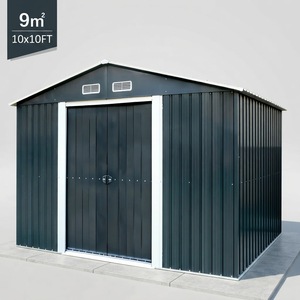
Heavy-duty galvanized steel enclosure featuring lockable double sliding ingress mechanisms, 4 integrated ventilation louvers, and corrosion-resistant framing.
Technical Details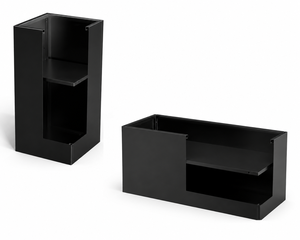
Certified OEM/ODM sheet metal processing across stainless steel, carbon steel, and galvanized sheets. Precision CNC bending for track profiles and door brackets.
Technical Details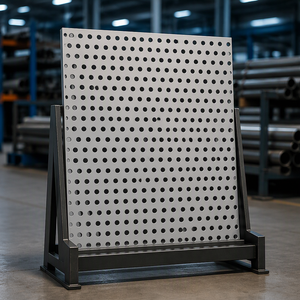
Grade 304/316 perforated stainless steel screens with CNC punched circular apertures. High structural stiffness for protective cages, barriers, and cleanroom air returns.
Technical Details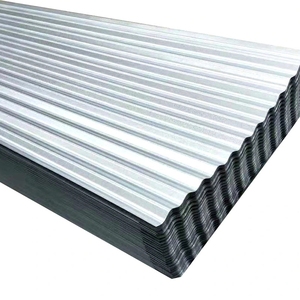
High-tensile zinc-coated corrugated steel panels offering superior durability, UV resistance, and structural integrity for industrial canopies and warehouse enclosures.
Technical Details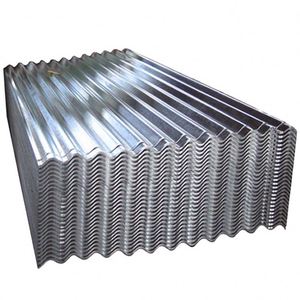
Continuous coil-coated PPGI sheets with thermo-cured polymer coatings. Optimized for roll-forming into insulated door skins, hoods, and protective wall cladding.
Technical Details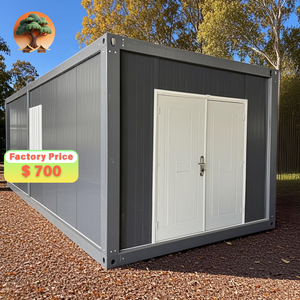
Engineered portable modular structure with reinforced tubular frames, quick-deploy unfolding panels, and integrated electrical conduits for commercial applications.
Technical Details
Rapid-deployment insulated container clinical unit with anti-microbial wall panels, negative-pressure HVAC readiness, and rapid-barrier clean partition sealing.
Technical Details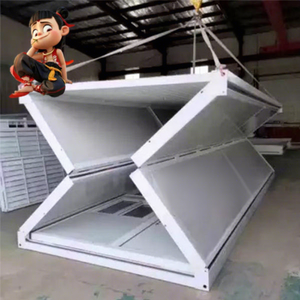
Heavy-duty structural folding accommodation module with high-density polyurethane insulation panels, wind-resistant structural joints, and rapid crane rigging.
Technical DetailsAnalyzing aerodynamic drag, drive torque curves, and micro-climate enthalpy preservation across automated material handling environments.
In modern industrial facilities—ranging from cold-storage supply chain hubs to ISO Class 4 cleanroom manufacturing suites—the industrial door is no longer a static physical partition. It functions as an active dynamic airlock, balancing rapid vehicular throughput against thermodynamic enthalpy loss, airborne particulate migration, and acoustic transmission. Sourcing managers and project directors evaluating OEM/ODM high speed doors factories must look beyond curtain aesthetics to understand the mechanical, electrical, and structural dynamics underpinning these high-cycle systems.
The core distinction among Tier-1 high-speed door exporters lies in their motor architecture. Conventional asynchronous three-phase induction motors controlled by contactor logic suffer from intense mechanical braking wear, high inrush currents, and coarse acceleration profiles that induce structural fatigue in the lintel and guide tracks. In contrast, advanced OEM exporters have standardized on Permanent Magnet Synchronous Motors (PMSM) paired with closed-loop vector-control variable frequency drives (VFD).
By monitoring rotor position via 14-bit absolute optical encoders, the drive controller achieves microsecond torque compensation. This facilitates a custom S-curve acceleration profile: gentle soft-start, rapid linear acceleration up to 2.5 m/s, followed by controlled deceleration prior to end-limit engagement. The elimination of electromechanical holding brake wear during cycling extends Mean Time Between Failures (MTBF) past 1,500,000 duty cycles.
Continuous polyurethane teeth engage high-molecular-weight polyethylene (UHMW-PE) guides. If impacted by a forklift, the curtain automatically re-inserts on the upward cycle with zero manual intervention or mechanical downtime.
Compression sealing technology achieves Class 4 airtightness under EN 12426 standards. Differential pressure sensors maintain stable positive/negative pressure regimes inside pharmaceutical airlocks.
Spiral-contoured circular or oval tracks roll rigid double-wall aluminum slats without metal-to-metal contact. Enables quiet operations (<65 dB) at linear speeds exceeding 2.0 m/s for high-volume exterior logistics gates.
Curtain design dictates thermal performance, tear resistance, and wind-load deflection. In cleanroom and general industrial applications, multilayer composite PVC (0.8 mm to 1.5 mm) reinforced with high-density polyester fiber weave (1100 dTex) provides tensile strengths exceeding 4000 N/5cm. Surface finishes incorporating cross-linked PVDF lacquering resist electrostatic dust attraction and aggressive chemical disinfection routines.
For external perimeters and sub-zero cold-storage thresholds, export factories manufacture insulated double-skin curtains or rigid polyurethane-filled aluminum slats. Featuring high-density PU foam cores (45–50 kg/m³), these slats achieve thermal transmittance ratings as low as U = 0.64 W/(m²·K). Integrated EPDM perimeter seals and electric trace-heating cables embedded in side guides prevent ice crystal formation and condensation pooling at temperatures down to -35°C.
| High-Speed Door Category | Curtain / Slat Architecture | Operating Velocity | Wind Load Class (EN 12424) | Air Permeability (EN 12426) | Primary Industrial Sector |
|---|---|---|---|---|---|
| Rapid Cleanroom Zipper Door | 0.9mm Anti-static PVC / Smooth PVDF | Open: 1.2–2.0 m/s Close: 0.8 m/s |
Class 1–2 (Differential Pa) | Class 3–4 (Tight Seal) | Pharma / Biotech / Semiconductor |
| Rigid Insulated Spiral Door | 43mm Double-skin Aluminum + PU Core | Open: 1.5–2.5 m/s Close: 0.6–1.0 m/s |
Class 4–5 (Up to 140 km/h) | Class 3 (Integrated EPDM) | Exterior Logistics / Automotive |
| Cold Storage Dynamic Airlock | Multilayer Thermal Composite / Heating Elements | Open: 1.8–2.4 m/s Close: 0.8 m/s |
Class 2–3 (Interior Wall) | Class 4 (Anti-Icing Seals) | Deep Freeze (-30°C) / Food Logistics |
| Heavy-Duty Stacking Fold Door | Reinforced PVC with High-Tensile Wind Pipes | Open: 0.8–1.2 m/s Close: 0.6 m/s |
Class 4–5 (Hurricane Rated) | Class 1–2 (Standard Perimeter) | Shipyards / Mining / Heavy PEB Buildings |
Critical procurement shifts, compliance changes, and smart automation requirements shaping industrial door manufacturing through 2030.
B2B procurement has shifted from CapEx-driven bidding to 10-year lifecycle cost auditing. Sourcing contracts now mandate certified motor MTBF figures, tool-less curtain replacement times (<15 mins), and standard off-the-shelf inverter hardware over proprietary black-box electronics.
Next-generation export doors incorporate native Modbus TCP/IP and BACnet interfaces. Facilities managers stream cycle count data, brake friction wear indicators, motor winding thermal alerts, and sensor misalignments straight into central building SCADA platforms.
Global regulatory convergence (EN 13241-1 and OSHA) is driving the adoption of non-contact infrared safety light grids. Integrated vertically inside the side tracks up to 2500 mm, these grids create a dense multi-beam sensing plane that eliminates hazardous mechanical bottom contact edges.
Automated Guided Vehicles require instantaneous bidirectional handshakes. Modern controllers utilize ultra-wideband (UWB) beaconing and laser scanners to detect inbound automated equipment, modulating opening timing to minimize hold-open durations without vehicle deceleration.
Industrial facilities auditing their thermal boundary efficiency prioritize high-speed doors with verified U-values and automated draft mitigation. In air-conditioned manufacturing plants, dynamic airlock systems directly cut HVAC chiller electrical consumption by up to 28%.
To combat rising on-site labor rates overseas, Tier-1 factories ship 90% pre-wired plug-and-play assemblies. Pre-mounted drive units, integrated side guide cabling, and color-coded M12 industrial quick-connectors slash on-site commissioning time from 16 man-hours down to under 4 hours.
Founded in 2010 under the motto "Your Future in Your Home", Joint Star Steel Structure Ltd. combines advanced pre-engineered structural steel fabrication with precision sheet metal forming. From industrial clear-span hangars and sandwich panel cold-storage buildings to custom OEM high-speed door frameworks, our single-source manufacturing model eliminates intermediary markups and project interface risks.
Authoritative technical answers to common queries raised by international contractors, industrial procurement teams, and MEP consultants.
Consult with our structural engineers and industrial door fabrication specialists. We provide technical drawings, wind-load calculations, and factory-direct commercial proposals tailored to your facility parameters.