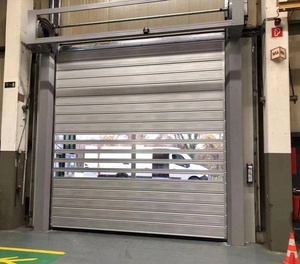

From continuous-line polyurethane insulated panels to heavy industrial steel frames and access automation, explore our 8 core structural building solutions delivered to industrial corridors across Mexico.
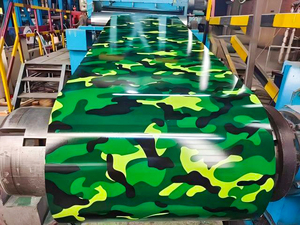
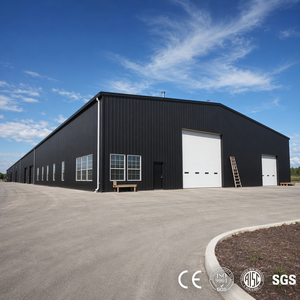
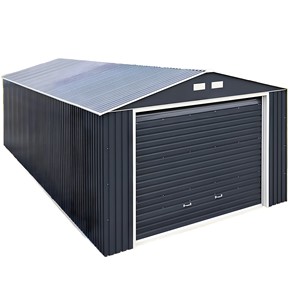
The acceleration of nearshoring has triggered unprecedented demand for Class-A industrial space in Mexico. Developers, EPC contractors, and multinational manufacturing tenants require building envelope systems that balance rapid erection with stringent thermal energy compliance.
Mexico presents a dramatically diverse thermal landscape. Industrial clusters in the North—including Ciudad Juárez, Mexicali, Monterrey, and Hermosillo—experience extreme summer temperatures exceeding 42°C with intense solar irradiance exceeding 6.5 kWh/m²/day. Conversely, elevated highland regions such as Toluca and Puebla present sharp diurnal temperature differentials requiring constant internal heat stabilization.
Traditional masonry blocks and single-skin corrugated metal sheets lack the continuous thermal barrier necessary to meet Mexico’s official federal standards, specifically NOM-008-ENER-2001 (Energy efficiency in non-residential building envelopes) and NOM-020-ENER-2011. Polyurethane (PUR) and Polyisocyanurate (PIR) core sandwich panels provide an ultra-low thermal conductivity ($\lambda \le 0.022\text{ W/m}\cdot\text{K}$), virtually eliminating thermal bridging across structural purlins and cutting HVAC operational energy expenditure by up to 42%.
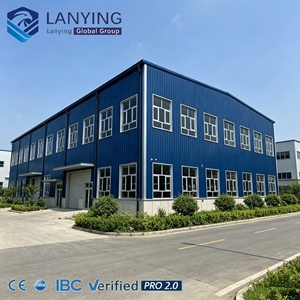
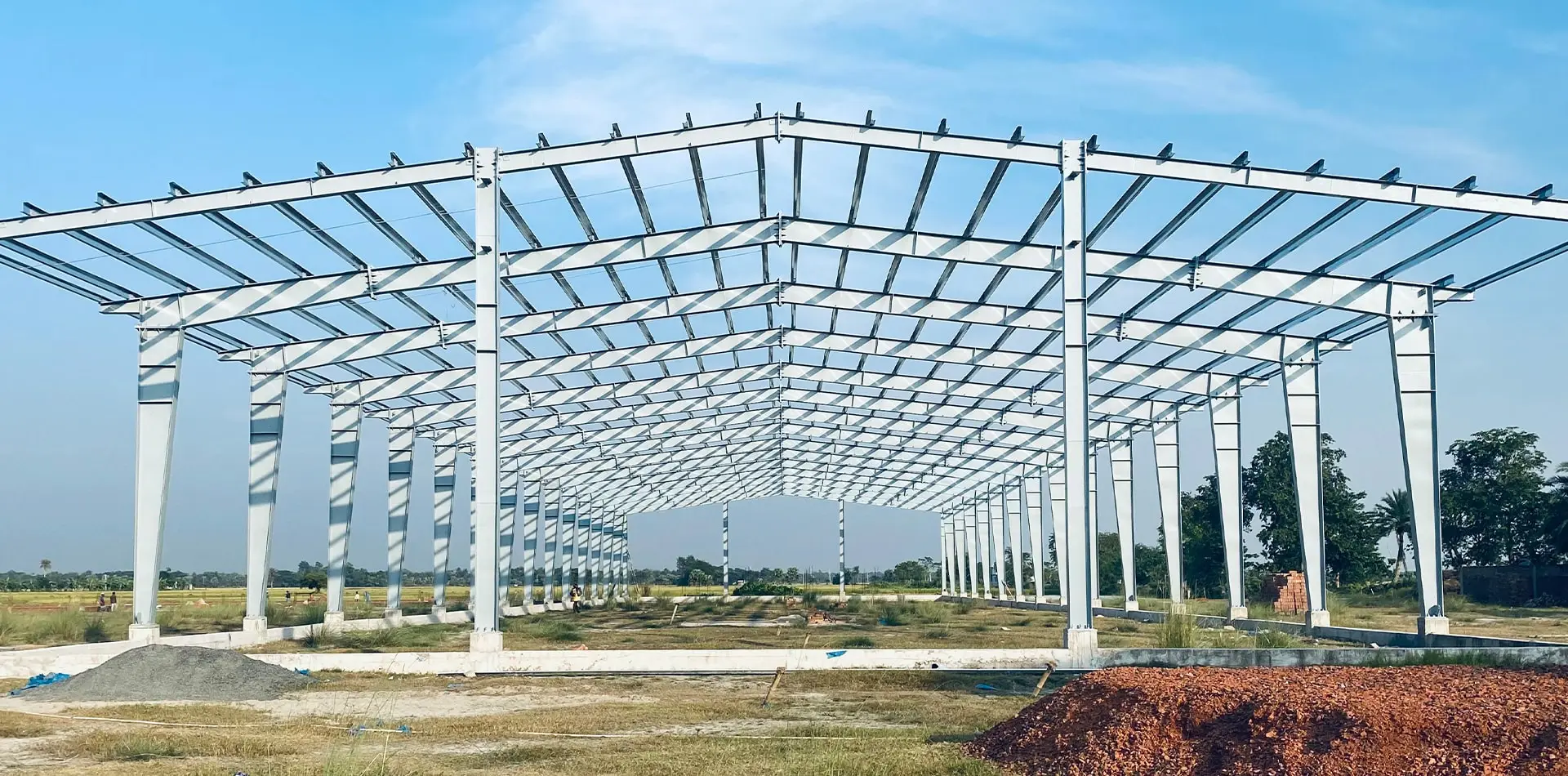
By integrating structural pre-engineered steel frames with precision interlocking PU panels, Joint Star provides developers with an airtight, moisture-resistant envelope that accelerates project delivery timelines from eighteen months down to less than four months.
Continuous cyclopentane-blown rigid polyurethane foam boasts a closed-cell ratio higher than 95%, guaranteeing uncompromised dimensional stability, water vapor impermeability, and zero decay in thermal resistivity over a 30-year lifecycle.
Our modified Polyisocyanurate (PIR) cores undergo self-carbonization under flame attack, creating a vitrified protective crust. Conforms to ASTM E84 Class A flame spread indices and European EN 13501-1 B-s1, d0 standards, satisfying FM Global underwriters.
Precision tongue-and-groove side laps featuring concealed fasteners and pre-installed expanded synthetic rubber (EPDM) gaskets completely prevent air infiltration and condensation buildup even during monsoon rainfall in coastal Veracruz or Nayarit.
Across Mexico's thirty-two states, climate variations, seismic zonation, and distinct industry clusters mandate customized sandwich panel specifications. Joint Star delivers engineered solutions matched to each economic ecosystem.
States: Querétaro, Guanajuato, Aguascalientes, San Luis Potosí.
Tier-1 automotive sub-assemblies, electronic semiconductor packaging, and aerospace cleanrooms require strictly controlled interior micro-environments. Our 50mm and 75mm concealed-fastener PU wall systems provide mirror-smooth finishes, anti-static exterior paint, and high acoustic attenuation against stamping machinery vibrations.
States: Nuevo León (Monterrey), Coahuila, Chihuahua, Tamaulipas.
Fast-tracked distribution facilities and manufacturing parks experiencing peak summer heatwaves. Trapezoidal 3-rib and 5-rib PU roof sandwich panels paired with high-reflectance Arctic White steel facings provide a Solar Reflectance Index (SRI) exceeding 82, mitigating thermal expansion stresses across large 60-meter clear spans.
States: Michoacán, Sinaloa, Jalisco, Sonora, Puebla.
For avocado packing, berry blast freezing (-35°C), and livestock slaughterhouses operating under Tipo Inspección Federal (TIF / SENASICA) and USDA requirements. Cam-lock interlocking 120mm to 200mm PU panels equipped with food-grade plastisol coatings prevent mold proliferation and survive harsh chemical sanitization washes.
States: Colima (Manzanillo), Michoacán (Lázaro Cárdenas), Veracruz, Altamira.
Port bonded warehouses exposed to saline moisture, persistent salt spray, and tropical hurricane winds. Panels are manufactured with heavy Galvalume AZ150 substrates and High-Durability Polyester (HDP) or 70% Kynar 500 PVDF finishes to survive ISO 12944 C4/C5 marine corrosive categories.
| Panel Spec / Parameter | 50 mm PU/PIR | 75 mm PU/PIR | 100 mm PU/PIR | 150 mm PU/PIR Cold Store |
|---|---|---|---|---|
| U-Value (W/m²·K) | 0.41 | 0.28 | 0.21 | 0.14 |
| R-Value (hr·ft²·°F/BTU) | 13.8 | 20.5 | 27.2 | 40.8 |
| Weight (0.5+0.5mm steel) | 10.6 kg/m² | 11.6 kg/m² | 12.6 kg/m² | 14.6 kg/m² |
| Standard Recommended Scope | Manufacturing partitions, cleanrooms | Standard industrial walls, Bajío plants | Northern Mexico roofs, chillers (+2°C to +8°C) | Deep freeze (-25°C to -35°C), TIF plants |
| Purlin Span Capacity (1.0 kN/m² load) | Up to 2.4 m | Up to 3.2 m | Up to 4.0 m | Up to 5.5 m self-supporting |
Industrial real estate developers (FIBRAs, Prologis, Vesta, FINSA) face shifting regulatory, structural, and capital requirements. Discover the four mega-trends driving sandwich panel specification across the Republic.
With North American supply chains onshoring under the USMCA (T-MEC), lead time penalties for delayed plant openings can reach hundreds of thousands of dollars per day. Prefabricated modular PEB frames combined with prefabricated PU envelope panels reduce construction cycles by 65%, enabling rapid equipment installation.
Historically, Expanded Polystyrene (EPS) dominated low-cost agricultural sheds in Mexico. However, catastrophic fire losses have caused international insurance syndicates (FM Global, Marsh, AXA) to impose prohibitive deductibles or outright refuse coverage on EPS structures, establishing PIR panels as the mandatory industrial standard.
Institutional investment funds and FIBRAs in Mexico are contractually bound to achieve green building certifications. Joint Star PU sandwich panels utilize zero-ODP (Ozone Depletion Potential) and ultra-low GWP blowing agents, maximizing thermal efficiency points under LEED Energy & Atmosphere (EA) credits.
Commercial electricity rates charged by the Comisión Federal de Electricidad (CFE) have risen sharply during peak summer hours (Tarifa GDMTH). Industrial plants with continuous PU panel envelopes reduce indoor temperature fluctuations by 8°C to 12°C, avoiding expensive peak demand kW surcharges.
Our structural team prepares full structural calculations, panel layouts, joint accessories, and containerized freight schedules tailored to Mexican ports of entry.
Operating since 2010 under the philosophy of engineering integrity, Joint Star Steel Structure Ltd. combines advanced Pre-Engineered Building (PEB) design, automated steel fabrication, and continuous sandwich panel lamination under one single-point contract.
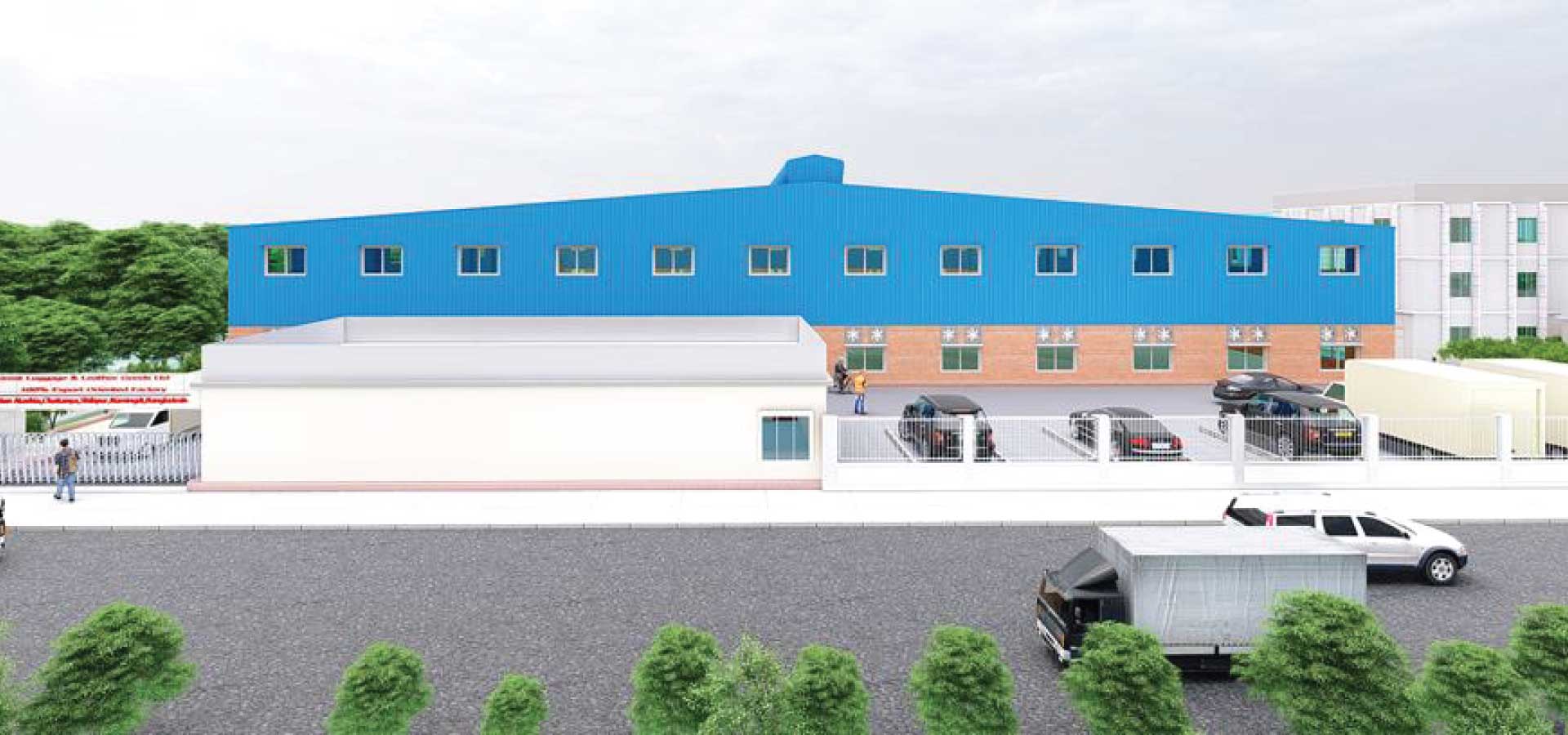
When international buyers source steel framing from one supplier and cladding panels from another, structural misalignment on job sites frequently leads to water ingress, thermal leaking, and protracted disputes over fastener warranties.
Joint Star removes this friction. Our in-house engineering teams calculate both primary frames (built-up Q355B H-sections, rafters, bracing) and secondary envelope components (Z/C purlins, PU wall panels, standing seam roof panels, trim flashing, and industrial high-speed spiral doors) simultaneously in Tekla Structures and PKPM.
Addressing the technical, logistical, and compliance inquiries most frequently raised by project managers, purchasing directors, and structural consultants across Mexico.
Our sandwich panels are engineered to fulfill the thermal transmittance criteria established by NOM-008-ENER-2001 for commercial building envelopes and NOM-020-ENER-2011 for residential/mixed-use structures. Every consignment is supported by Mill Test Certificates (MTC) for steel tensile yield (ASTM A653 / A792 Grade 50) and independent third-party laboratory test reports detailing core thermal conductivity ($\lambda = 0.020 - 0.022\text{ W/m}\cdot\text{K}$) and ASTM E84 Class A flame spread behavior.
We routinely arrange containerized ocean shipments (40ft High Cube containers) to primary Pacific entry points including Puerto de Manzanillo (Colima) and Puerto Lázaro Cárdenas (Michoacán), which provide efficient rail and highway intermodal transit to the Bajío and Mexico City. For Gulf-oriented deliveries (Puebla, Monterrey, Saltillo), cargo routes directly to Puerto de Altamira (Tamaulipas) or Veracruz. Average maritime transit time ranges from 24 to 32 days depending on the shipping line.
For coastal projects located in Veracruz, Sinaloa, or Baja California, standard polyester coatings are insufficient. We provide Galvalume (Aluzinc AZ150) substrates coated with 25µm High-Durability Polyester (HDP) or Fluoropolymer PVDF (Kynar 500) finishes. For food processing interiors subjected to rigorous chemical washdowns, we supply non-toxic 120µm Plastisol or food-grade antibacterial film laminates that resist chlorine and acid sanitizers.
Yes. Mexico’s structural engineering regulations, specifically the Manual de Obras Civiles de la Comisión Federal de Electricidad (CFE) and the Normas Técnicas Complementarias del DF (NTC-RCDF), classify seismic zones from Zone A (low risk) to Zone D (high acceleration zones such as Guerrero, Oaxaca, and CDMX). When designing the integrated PEB frame and panel connection detailing, our structural engineers calculate ductility reduction factors ($Q$), flexible drift tolerances, and slotted clip fastener details to ensure envelope integrity during seismic movements.
To ensure prompt clearance by your Mexican Customs Broker (Agente Aduanal), Joint Star provides a complete export documentation suite: Commercial Invoice (bilingual with appropriate Fracción Arancelaria / HS Code: 7308.90 for fabricated structures or 9406.90 for modular assemblies), Detailed Packing List specifying individual package weights, dimensions, and panel marks, Bill of Lading (BL), Certificate of Origin, and Mill Test Certificates (MTC) conforming to EN 10204 3.1.
While many of our Mexican clients utilize local erection crews, Joint Star supplies comprehensive 3D shop drawings, bilingual installation manuals, step-by-step panel layout maps, and customized flashing connection blueprints. If required by the project scale, we can deploy an experienced technical site supervisor to manage purlin alignment, sealing gasket placement, and cam-lock engagement, or conduct real-time video engineering guidance throughout the assembly phase.
Partner with an experienced structural steel and sandwich panel manufacturing leader. Send us your project architectural layouts, architectural elevations, or thermal performance specifications to receive an optimized engineering proposal, bill of materials, and direct factory quotation within 48 hours.