Precision-manufactured in China under ISO 9001 and CE frameworks, engineered specifically for high thermal inertia, non-combustible building envelopes, cleanrooms, and seismic resilience across Central Asian climatic zones.
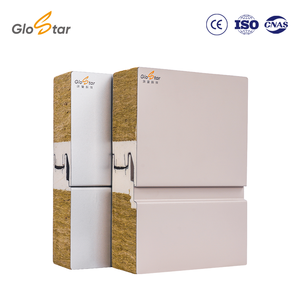
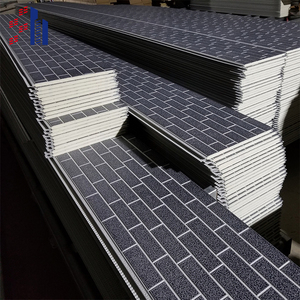
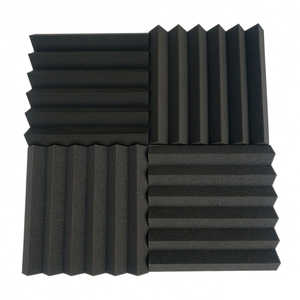
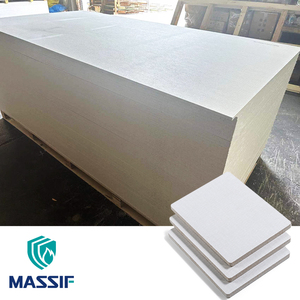
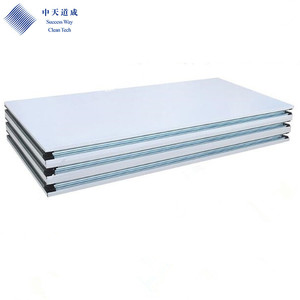
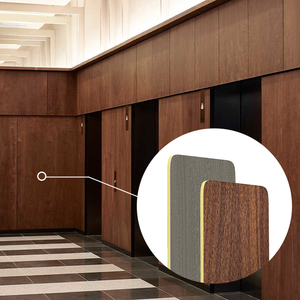
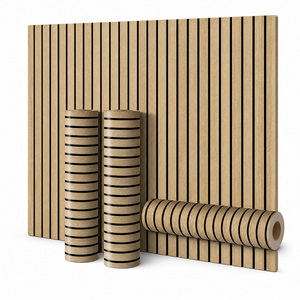
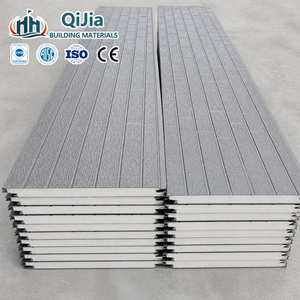
The construction and industrial infrastructure across the Republic of Kazakhstan is undergoing an unprecedented modernization cycle. Under the national framework of "Nurly Zhol" and the expanding trans-continental transit routes of the Middle Corridor (Trans-Caspian International Transport Route), demand for energy-efficient, rapid-assembly, and fireproof building envelopes has reached an all-time high. From logistics dry ports in Khorgos and Dostyk to colossal petrochemical facilities in Atyrau and Tengiz, developers can no longer rely on traditional heavy masonry or uninsulated single-skin corrugated metal sheets.
Procuring high-grade fireproof wall panels directly from leading Chinese manufacturers provides a decisive strategic advantage: direct access to continuous automated lamination lines, high-density basalt fiber processing technologies, and rigorous compliance with GOST 30244-94 (Class NG non-combustible) alongside SNiP RK 2.02-05-2009 fire safety codes. With direct rail links via the Khorgos Eastern Gate and Alashankou-Dostyk rail interchange, delivery schedules are reduced to days rather than months, significantly shortening EPC financing turnaround.
Kazakhstan possesses one of the most severe continental climates on the planet. In northern urban clusters such as Astana, Karaganda, and Pavlodar, winter ambient temperatures plunge beneath -45°C with severe blizzards (buran), while summer surface temperatures can exceed +40°C. This extreme 85°C thermal swing creates colossal thermal expansion stresses and catastrophic thermal bridging risks if panel joinery is not engineered with precision tongue-and-groove micro-breaks.
Evaluating structural configurations, coating protections, and core density selections tailored to specific provincial geoclimatic zones.
Engineered for extreme sub-zero resistance (-45°C). Utilizing 100mm–150mm continuous PIR and PU-edge rock wool sandwich panels featuring a low thermal conductivity of λ = 0.022 W/m·K. Labyrinth joint geometries prevent capillary frost penetration and internal wall condensation (dew point migration), drastically cutting HVAC lifecycle operating costs.
Almaty sits within a high seismic acceleration zone regulated strictly by SP RK 2.03-30-2017. Our prefabricated metal wall panels incorporate slotted concealed fastener clips and high-tensile structural steel faces (0.5mm to 0.7mm S350GD+Z) allowing inter-story drift absorption without structural shear buckling or panel disengagement during seismic events.
Petrochemical processing refineries and offshore support logistics face high airborne salinity, hydrogen sulfide, and hydrocarbon fire risks. We deploy A1 non-combustible basalt mineral wool cores (120–140 kg/m³) clad in PVDF or HDP (High-Durable Polyester) coatings delivering verified 1000-hour salt spray resistance and REI 180 to REI 240 fire boundary walls.
Cross-border agricultural and pharmaceutical logistics centers require modular PIR cold room wall panels with non-toxic, anti-microbial coatings meeting EAEU sanitary norms. Cam-lock interlocking systems ensure thermal-bridge-free seals capable of sustaining interior temperatures from -25°C to +4°C regardless of external desert heat.
Industrial zones require economical, fast-assembly lightweight modular fire-resistant panels for manufacturing workshops, textile mills, and machinery fabrication plants. Pre-engineered panel profiles with V-Groove architectural exterior finishes provide aesthetic corporate facades without requiring secondary plastering or stone cladding.
Pharmaceutical manufacturing plants in Karaganda and medical facilities in Almaty leverage our GMP-certified flush modular partition panels. Fabricated with zero-dust shedding aluminum honeycomb or high-density MGO cores, these panels withstand intensive hydrogen peroxide sterilization and high-frequency chemical wash-downs.
Selecting the optimal core material requires balancing fire rating requirements (GOST 30244-94), structural wind-load span capacity, and target U-values specified in the project’s thermal calculation datasheet (SNiP RK 2.04-03-2002 "Thermal Protection of Buildings").
| Core Insulation Type | Core Density (kg/m³) | Thermal Conductivity (λ) | GOST 30244-94 Fire Class | Max Fire Endurance | Primary Application in KZ |
|---|---|---|---|---|---|
| Hydrophobic Rock Wool | 100 – 140 kg/m³ | 0.038 – 0.044 W/m·K | Class NG (Non-combustible) | REI 120 – REI 240 | Refineries, power stations, high-occupancy commercial structures |
| Polyisocyanurate (PIR) | 40 – 45 kg/m³ | 0.020 – 0.023 W/m·K | Class G1 / B1 (Flame Retardant) | EI 30 – EI 60 | Sub-zero cold storage, agro-warehouses in North Kazakhstan |
| Magnesium Oxide (MGO) | 950 – 1100 kg/m³ | 0.120 – 0.160 W/m·K | Class A1 (Non-combustible) | EI 120 – EI 180 | Cleanrooms, fire separation walls, anti-corrosion chemical zones |
| Polyurethane (PU/PUR) | 38 – 42 kg/m³ | 0.024 – 0.028 W/m·K | Class G2 (Self-extinguishing) | EI 15 – EI 30 | Standard temperature-controlled distribution sheds, modular camps |
| Expanded Polystyrene (EPS) | 15 – 20 kg/m³ | 0.039 – 0.042 W/m·K | Class G3 / G4 (Combustible) | Non-rated | Temporary site accommodation, temporary storage facilities |
*Note: For projects subject to Kazakh State Expertise (Gosekspertiza), building fire barriers separating hazardous compartments must mandate Class NG (Rock Wool or pure MGO) with official ST RK or EAC certification.
Unlike simple trading brokers, top Chinese industrial manufacturing facilities operate fully automated continuous high-speed double-belt lamination lines capable of producing over 1,500,000 m² of certified fireproof sandwich panels per annum. Rooted in rigorous structural engineering principles with over 15 years of industry-leading fabrication history, our supply chain is tailored for international clients demanding structural longevity, exact dimensional tolerances, and comprehensive project support.
From structural TEKLA/BIM calculation, panel layout detailing, CNC member cutting to precision panel production, custom flashing fabrication, and on-site assembly guidance.
Our automated production lines inject rigid polyurethane along the longitudinal edges of high-density rock wool slabs, eliminating water ingress during rain or snow accumulation on Kazakh job sites.
All raw coils (Baosteel, Guanzhou) feature certified zinc coating weights (Z120 to Z275g/m²). Cores undergo continuous tensile, shear, and fire-combustion verification prior to batch dispatch.
Direct multimodal rail dispatch from manufacturing base through Khorgos Dry Port directly to Almaty-1, Astana-1, or Atyrau freight terminals in 7 to 14 days transit time.
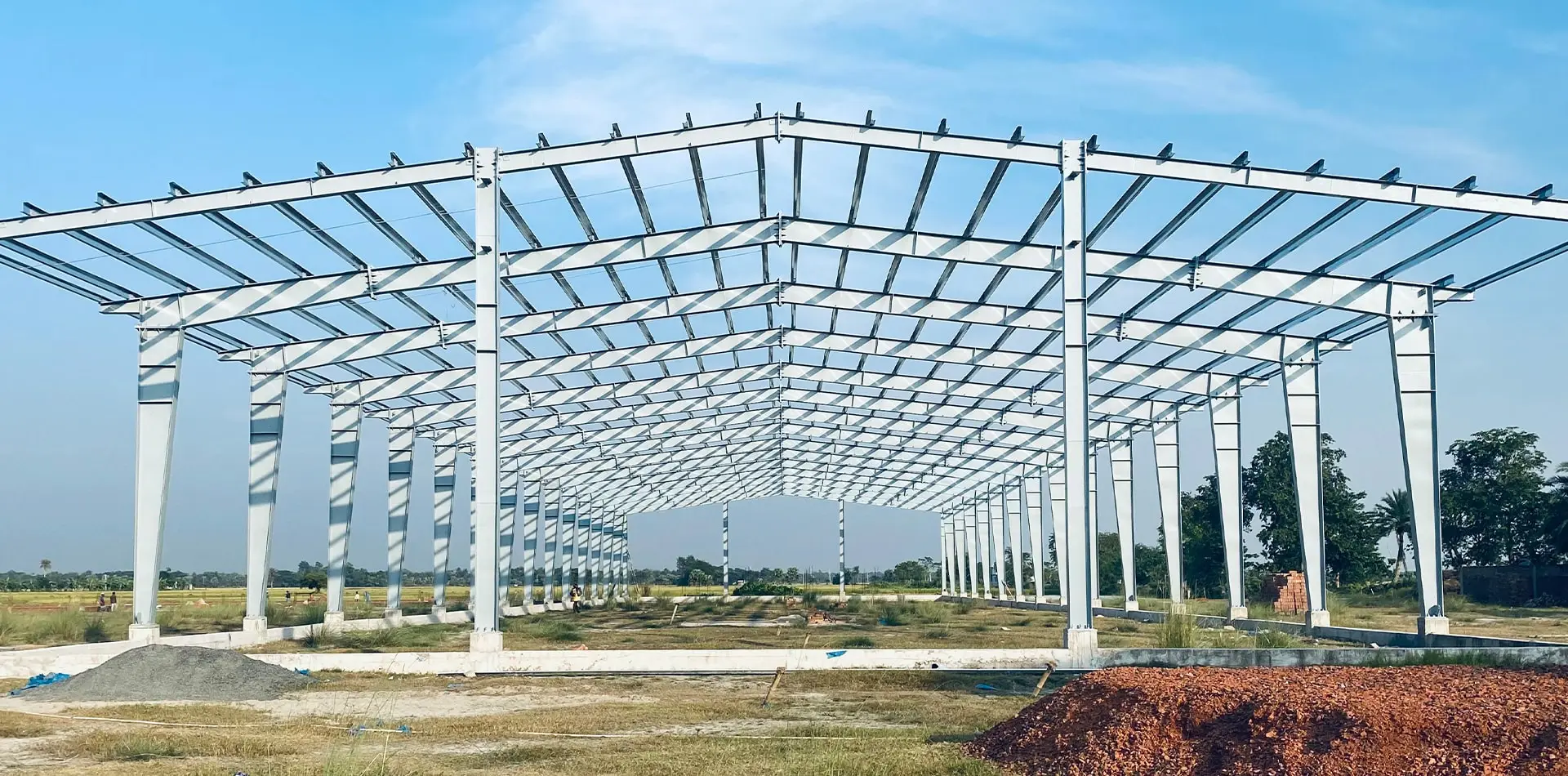
As Kazakhstan enforces stricter municipal energy conservation norms in accordance with its 2060 Carbon Neutrality Doctrine, building thermal loss regulations are becoming increasingly stringent. Project owners in the public and private sectors are now penalized for building envelopes that exceed baseline thermal transmittances.
Key evolving procurement trends observed across Almaty, Astana, and Shymkent include:
Comprehensive legal, technical, and logistic insights addressing customs clearance, building code approvals, and extreme weather installation.
To obtain architectural sign-off from Kazakh State Construction Control (GASK) and Emergency Situations authorities, fireproof wall panels must comply with GOST 30244-94 ("Building Materials. Test Methods for Combustibility") and technical regulations under TR CU 043/2017 (Eurasian Economic Union Fire Safety Regulation). Our export batches come accompanied by accredited laboratory test reports demonstrating Class NG (non-combustible) for Rock Wool panels or Class G1 for PIR panels, complete with Fire Resistance Certificates (REI 60 to REI 240) and Certificates of Conformity (GOST-K / EAC).
Delamination under severe cryogenic cycling is prevented through two primary engineering controls: First, we employ high-performance, two-component thermosetting polyurethane structural adhesives applied via oscillating computer-metered spray heads, achieving bond tensile strengths exceeding 0.12 MPa. Second, we use prime structural steel skins (DX51D+Z to S350GD+Z) with matched linear thermal expansion coefficients. The basalt fibers are oriented vertically (perpendicular to the steel sheet faces) in staggered lamella blocks, absorbing cyclical shear stress without shearing the adhesive layer.
Shipments depart our manufacturing facilities via road freight (covered mega-trailers) or rail containers through the Khorgos-Nur Zholy or Alashankou-Dostyk border ports. Average transit time to Almaty is 7–10 days; to Astana, 10–14 days; and to Western regions (Aktau/Atyrau), approximately 14–18 days. Panels are stacked with protective peel-off PE film on both sides, interleaved with EPS cushioning pads, shrink-wrapped in heavy-gauge UV-resistant polyethylene hoods, and bottom-mounted on heavy wooden pallets designed for forklift or crane unloading in rough terrain.
For seismic zones (Richter magnitude 7, 8, and 9) prevalent across southeastern Kazakhstan, wall cladding must not form rigid kinematic restraints that would induce premature buckling during ground sway. Our engineering team provides verified Tekla and SAP2000 calculations for panel substructures, utilizing specialized sliding clips and dynamic screw fastening schedules with EPDM self-sealing washers. These connections allow controlled inter-story horizontal drift while resisting peak design wind gusts up to 0.45 kPa in accordance with SP RK 2.01-01-2013.
Yes. Continuous line production enables custom continuous lengths up to 13.5 meters (dictated by maximum truck trailer and railway wagon dimensions). We supply custom-bent flashings (internal/external corners, parapet caps, drip sills, door jamb trims) fabricated from identical steel coil heats to ensure 100% RAL color match (popular shades in Kazakhstan include RAL 9003 Signal White, RAL 7016 Anthracite Grey, RAL 5005 Signal Blue, and RAL 9006 White Aluminum). Delivering pre-cut panels and tailored trims drastically reduces on-site labor costs and eliminates galvanized zinc coating damage caused by manual disc cutters.
Our typical standard project MOQ is 500 square meters for standard RAL colors and 1,000 square meters for non-standard customized finishes or high-grade PVDF coatings. Standard warranties range from 10 to 25 years against perforation, delamination, and excessive color fading (depending on coating choice: PE, SMP, HDP, or PVDF). Payment can be executed via Irrevocable Letters of Credit (LC at sight), T/T bank transfers, or cross-border RMB settlement directly facilitated between Chinese and Kazakh commercial banks.
Connect directly with our senior structural engineering team. Receive detailed thermal U-value calculations, GOST test data, customized shop drawings, and competitive direct factory FOB or DDP Kazakhstan pricing tailored to your procurement schedule.
Get Catalog