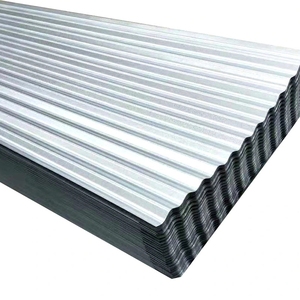

Direct manufacturer-certified structural steel framing, composite sandwich panels, and precision metal profiles configured for tropical and heavy-industry building designs.
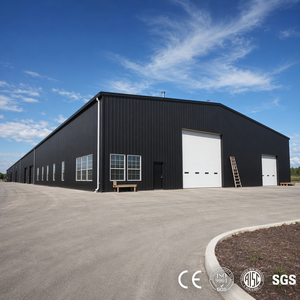
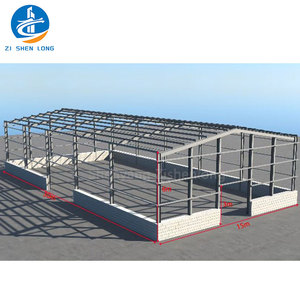
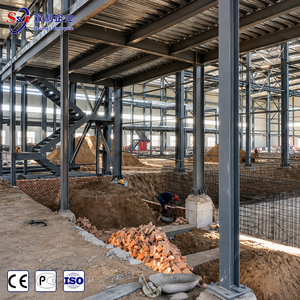
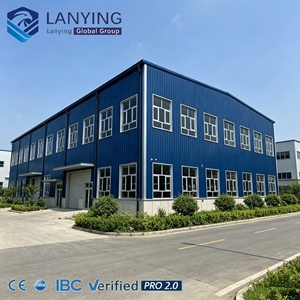
The industrial real estate landscape of southern Vietnam—encompassing Ho Chi Minh City (HCMC), Binh Duong, Dong Nai, and Long An—presents one of the most mechanically demanding architectural microclimates in Southeast Asia. Characterized by an equatorial sub-humid climate, annual precipitation levels frequently exceed 1,900 mm, concentrated heavily within high-intensity monsoon squalls. For high-throughput distribution hubs, precision electronics plants, and textile complexes, conventional through-fastened screw-down corrugated sheets present an unacceptable systemic failure risk. Every pierced fastener represents a point of thermal bridgework, gasket degradation via intense ultraviolet radiation, and catastrophic capillary leakage under hydrostatic head pressures.
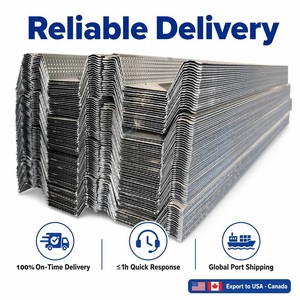
Industrial suppliers serving the HCMC industrial belt must address the dual threat of severe hydraulic volume and wind shear. During peak tropical storms, negative air pressures (uplift suction) at eaves, ridges, and building corners exert intense upward forces. Standing seam profiles featuring a 360-degree mechanically seamed vertical double-lock seam provide unparalleled continuous tensile engagement across purlin spans. By housing the holding clip entirely inside the continuous vertical joint, no fasteners penetrate the exterior moisture barrier, creating an impervious monolithic skin capable of withstanding extreme aerodynamic vortex forces.
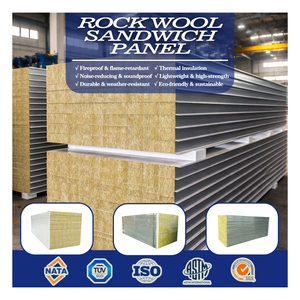
Deployed widely across the Saigon Hi-Tech Park (District 9) and VSIP I & II (Binh Duong). These facilities demand zero-tolerance moisture ingress and zero particulate accumulation. Standing seam systems integrated with rock wool sandwich cores provide acoustic dampening (preventing rain reverberation) and strict Class A non-combustibility.
Situated heavily in Cat Lai, Hiep Phuoc Port, and Long An waterways. Humid maritime atmospheres accelerate galvanic corrosion. By employing high-aluminum-zinc alloy coatings (ASTM A792 AZ150/AZ200) coupled with polyisocyanurate (PIR) insulated assemblies, standing seam profiles maintain steady R-values while repelling saline mist.
Driven by multinational ESG mandates in Dong Nai and Nhon Trach industrial sectors. Standing seam panels allow direct structural clamp attachment (non-penetrating S-5! type clamps) for solar array racking, preserving 25-year watertight building warranties without drilling into roof sheets.
Specifying structural envelopes for the southern Vietnamese regulatory context (including QCVN 06:2022/BXD fire codes and wind load parameters) requires rigorous engineering alignment between structural spans, purlin gauge, and insulation core selection:
| Profile / Core Type | Yield Strength & Coating | Hydraulic / Wind Uplift Threshold | Fire & Thermal Metrics | Ideal HCMC Application |
|---|---|---|---|---|
| Concealed Double-Lock Standing Seam (65mm Rib) | G550 / AZ150 Al-Zinc or SuperDyma / PVDF | Slopes down to 1.5° (1:50); Uplift design up to -3.8 kPa with double seam | Non-combustible exterior; R-Value configured via sub-purlin blankets | Large-span logistics centers, high-wind industrial zones (Can Gio/Hiep Phuoc) |
| Polyurethane / PIR Standing Seam Panels | G300-G550 Outer / Interior prepainted skins | Capillary seal strip embedded; High structural diaphragm rigidity | Thermal conductivity 0.020 - 0.022 W/m·K; Self-extinguishing Class B1 | Controlled-atmosphere storage, pharmaceutical factories, food processing |
| Structural Rock Wool Insulated Core | 0.5mm - 0.7mm high-tensile coated sheets | Tongue-and-groove joint with concealed mechanical cap seaming | Non-combustible (Euroclass A1/A2); 2-to-4-hour fire rating compliance | Hazardous chemicals, battery fabrication, automated textile warehouses |
| Expanded Polystyrene (EPS) Structural Core | Galvanized & Galvalume 0.4mm - 0.5mm skins | Standard pitch ≥ 5°; suited to modular industrial canopies | Cost-efficient thermal reduction; lightweight structural deadweight | Site facilities, non-hazardous assembly sheds, rapid-erection offices |
Established in 2010 under the operating ethos "Your Future in Your Home," Joint Star Steel Structure Ltd. has grown from specialized fabrication workshops into an integrated engineering and pre-engineered metal building supplier. Managing over 352 major capital projects spanning 120 multinational clients, we bridge the gap between heavy primary structural fabrication and ultra-precise roofing envelope manufacturing.
We eliminate split responsibility between steel framework fabricators and cladding installers. By providing complete structural analysis, primary/secondary framing (Q355/Q235 beams and C/Z purlins), anchor layouts, and continuous roll-formed roof panels, field tolerances remain millimeter-accurate.
To eliminate transverse lap joints on roof runs exceeding 60 meters, our advanced mobile computerized roll-forming units operate directly inside the facility or directly at the construction site in Ho Chi Minh City corridors, eliminating transport-length restrictions.
From ASTM A792 zinc-aluminum coating tests to computerized pull-out testing of sliding clips and full acoustic/thermal modeling, our in-house team of 100+ engineers ensures full alignment with both local building codes and international standards (AISC, MBMA, AWS D1.1).
Whether you require full turnkey pre-engineered structural steel buildings, high-volume standing seam production runs, or fire-rated rock wool envelope cladding, our technical design group is ready to optimize your bill of materials.
Inquire Now