
Engineered for industrial contractors, commercial developers, and EPC enterprises operating throughout Greater Houston, Harris County, Baytown, and Port Houston logistics corridors.
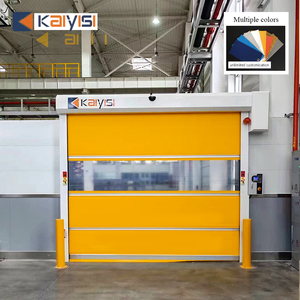
Rapid cycle PVC rollup systems offering airtight weather seals, wind-resistance ribs up to Class 3, and automated motion activation designed for Houston's high-traffic distribution hubs.
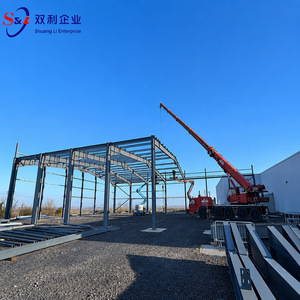
Custom clear-span industrial workshops constructed from Q355B/ASTM A572 Grade 50 steel, engineered to accommodate 10-50 ton overhead bridge cranes and severe Gulf Coast dynamic roof live loads.
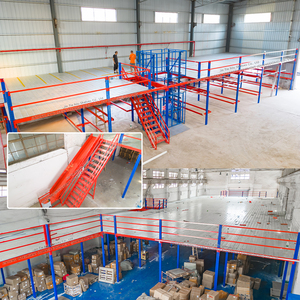
Heavy-duty structural mezzanine systems rated for 500+ kg/sqm uniform loads, enabling vertical operational scaling within high-bay distribution centers without expanding concrete building footprints.
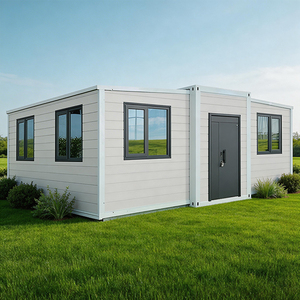
Pre-wired, pre-plumbed expandable modular shelters built with structural cold-formed profiles, integrated PU insulation, and rapid fold-out deployment for workforce housing or jobsite offices.
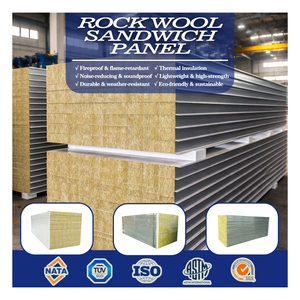
Non-combustible structural insulated panels combining rigid mineral rock wool cores and Class 1 OSB facings for fire containment, moisture resistance, and extreme thermal thermal attenuation.
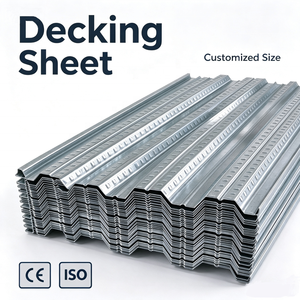
Galvanized composite profiled steel decks functioning as continuous tension reinforcement and permanent concrete formwork, compliant with SDI ANSI/SDI C-2017 composite floor deck requirements.
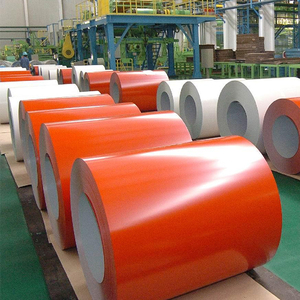
AZ150 Galvalume and hot-dipped galvanized PPGI/PPGL coils utilizing high-durability PVDF coatings formulated to resist high solar radiation, humidity, and atmospheric sulfur common to the Gulf Coast.
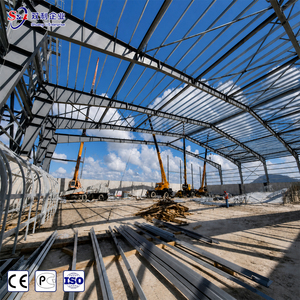
Turnkey industrial portal frames featuring optimized tapered columns, solid webs, and cold-rolled Z/C purlins pre-punched for rapid bolted field erection under ASCE 7-22 coastal wind standards.
The Greater Houston metropolitan area represents one of North America's most demanding physical environments for structural engineering and commercial building enclosure systems. Situated in the Gulf Coast hurricane corridor, industrial facilities face catastrophic cyclic wind loads, atmospheric marine chlorides, extreme seasonal precipitation, and intense thermal heat fluxes.
Standard off-the-shelf prefabricated structures fail when deployed across Harris, Galveston, and Brazoria counties if they lack tailored structural engineering. Specifying building materials for this region requires exact alignment with ASCE 7-16 and ASCE 7-22 wind load criteria, mandating basic design wind speeds ranging from 140 MPH in inland corridors (such as Conroe and The Woodlands) up to 165 MPH in coastal exposure zones (including Baytown, Texas City, and Freeport).
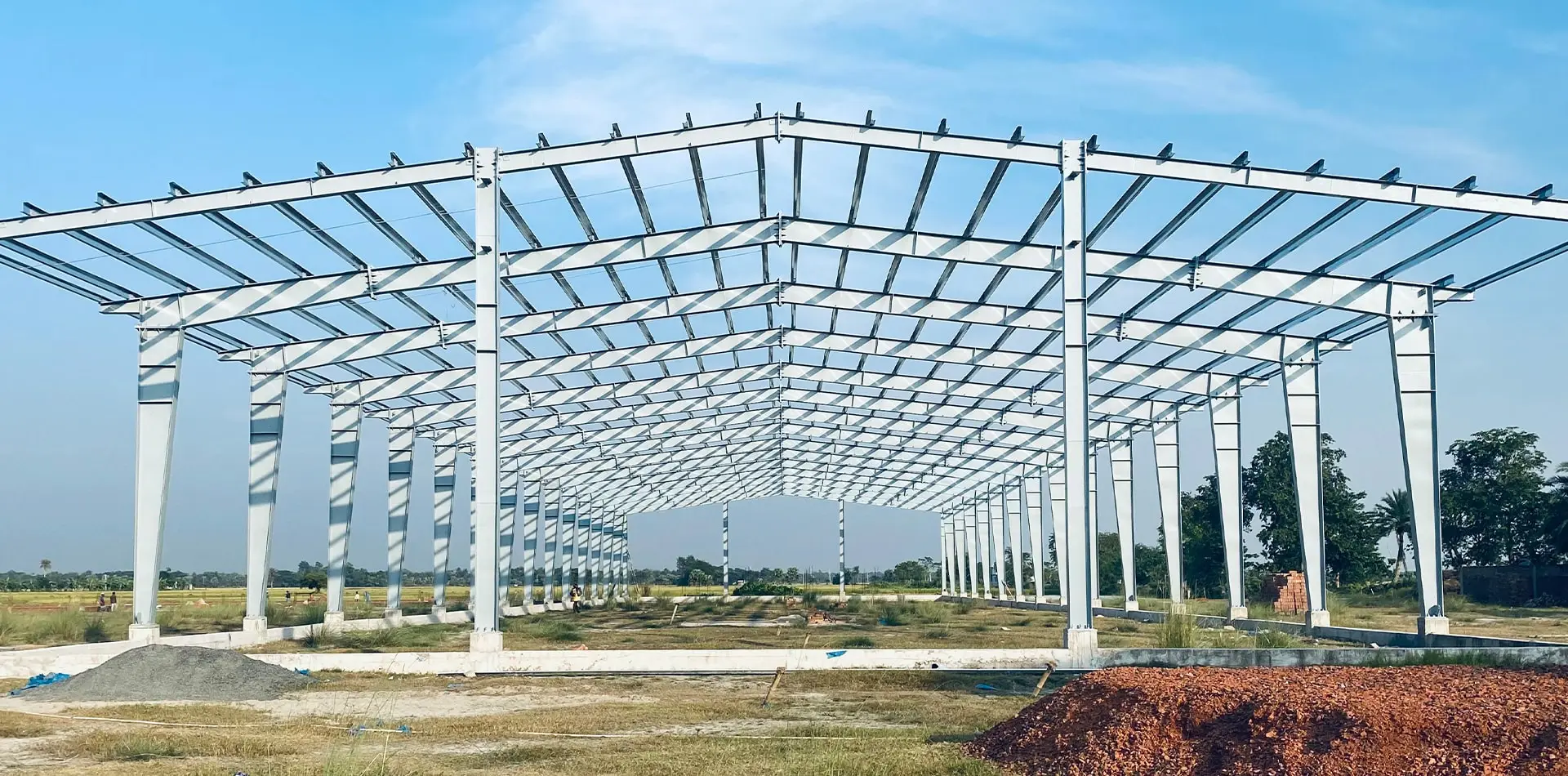
From petrochemical refineries along the Ship Channel to automated logistics super-hubs in the Northwest submarkets, our structural systems solve critical operational bottlenecks.
Heavy blast-resistant maintenance shops, catalyst storage depots, and chemical staging shelters. Components feature non-combustible rock wool core sandwich panels and heavy epoxy-primed structural frames capable of resisting chemical vapor corrosion.
C5-M Corrosion & 2-Hr Fire RatedIntermodal transit depots and high-throughput cross-dock distribution facilities located adjacent to Barbours Cut and Bayport terminals. Integrating high-speed PVC industrial rolling doors, wide clear spans, and perimeter composite decking platforms.
High-Cycle Access • Clear SpanMassive fulfillment facilities in Katy, Cypress, and Tomball requiring multi-tier elevated mezzanine platforms rated up to 500kg/sqm. Allows seamless integration of automated sortation robotics, vertical reciprocating conveyors, and pick modules.
500kg/sqm Live Load CapacityControlled-atmosphere distribution plants clustered along I-10 and US-59. Built with tongue-and-groove polyurethane (PU/PIR) insulated panels that eliminate thermal bridges, preserve strict sub-zero environments, and slash monthly HVAC refrigeration spend.
Zero-Thermal-Bridge EnvelopeComparison of primary building envelope cores and composite floor deck configurations under Texas structural and thermal codes.
| Core Material / System | Thermal Performance (R-Value per Inch) | Combustibility & Fire Rating | Moisture & Vapor Resistance | Ideal Houston Application |
|---|---|---|---|---|
| PU / PIR (Polyurethane / Polyisocyanurate) | R-6.5 to R-7.2 / inch (Highest efficiency) | Class B1 / B2 (Self-extinguishing, flame retardant) | Impermeable closed-cell structure (>95% closed) | Cold storage, food processing, energy-controlled warehousing |
| Rock Wool (Mineral Fiber Core) | R-3.8 to R-4.2 / inch | Class A1 Non-combustible (Up to 4-hour fire wall) | Hydrophobic treated fiber; vapor permeable | Petrochemical facilities, refineries, fire break partitions |
| EPS (Expanded Polystyrene) | R-3.8 to R-4.0 / inch | Class B1 (Contains fire-retardant additive) | Moderate absorption without secondary barrier | Dry storage, light industrial sheds, temporary camp housing |
| OSB Structural Insulated Panels (SIP) | R-4.2 to R-5.0 / inch (Composite assembly) | Meets ASTM E119 structural assembly standards | Requires vapor-permeable weather membrane | Modular commercial offices, multi-family, modular jobsite units |
| High-Strength Composite Floor Decking | N/A (Structural load bearing platform) | UL 2-Hour to 3-Hour Fire Rated with lightweight slab | G90 / AZ150 Zinc coating eliminates under-deck rust | Multi-story logistics mezzanine, warehouse mezzanine decks |
Combining state-of-the-art automated manufacturing lines with full-package design, detailing, and global freight logistical precision.
All primary and secondary members—built-up H-beams, tapered portal frames, crane brackets, and joists—are produced to strict ASTM A572 Grade 50 standards with full ultrasonic weld inspection records.
Our in-house design team produces millimeter-accurate 3D BIM models, automated CNC connection files, and comprehensive marked erection schedules, eliminating field clashes and reducing on-site erection time by 40%.
Containerized flat-rack packaging, marine moisture-proof wrapping, and barcoded piece marking ensure direct, damage-free transport through Port Houston terminals directly to your jobsite laydown yard.
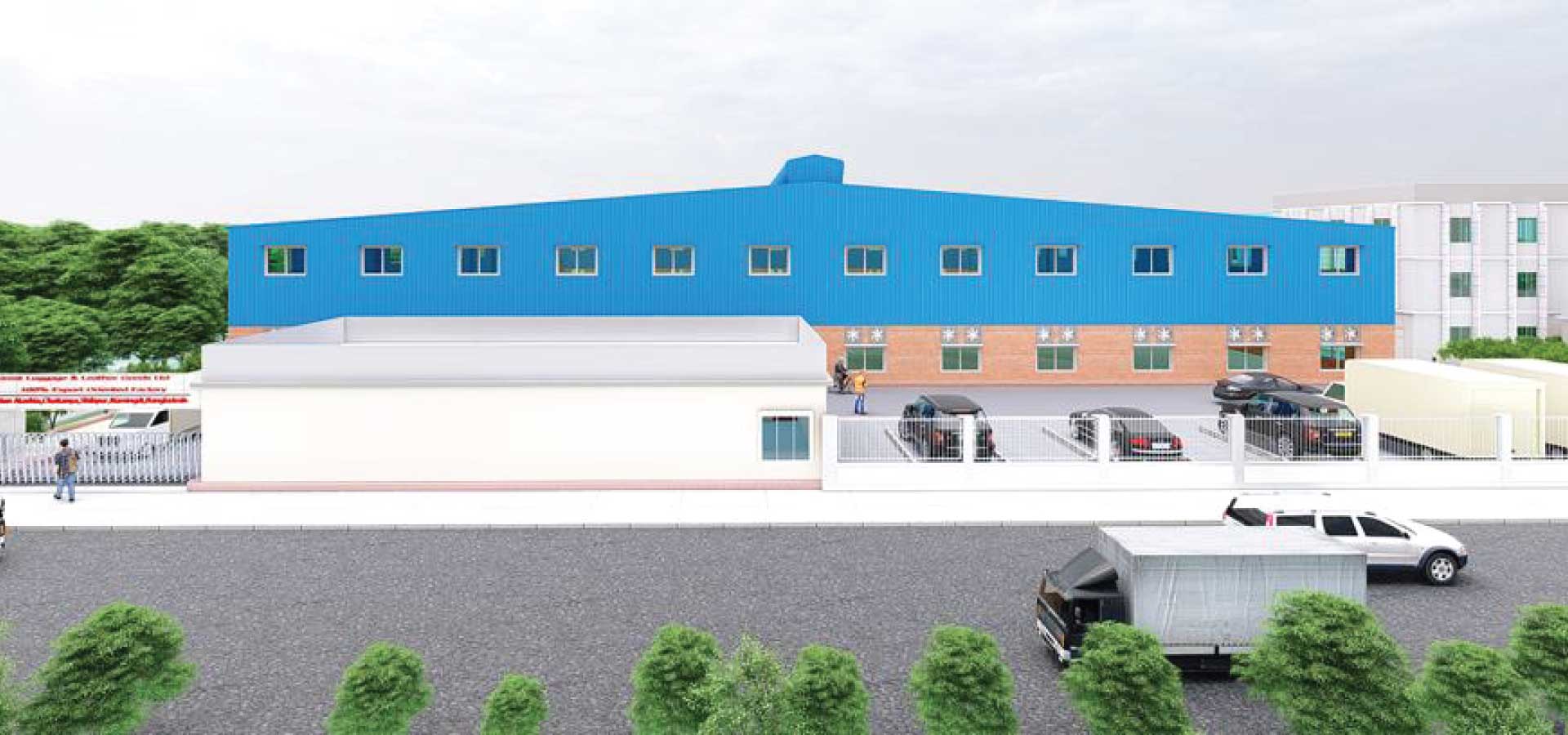
Industrial development across Greater Houston is undergoing a paradigm shift driven by rising skilled labor costs, condensed supply chain schedules, and aggressive carbon footprint targets. General contractors are moving away from traditional site-welded steel framing and uninsulated single-skin metal sheeting in favor of factory-built, pre-engineered structural envelopes.
Key growth trajectories shaping the Houston prefabrication market include:
Essential answers regarding code compliance, wind load ratings, structural engineering seals, and freight logistics into Texas.