
Supplying Costa Rican general contractors, free-zone developers, and agricultural enterprises with factory-certified thermal cladding, structural light keel profiles, and automated industrial access solutions.
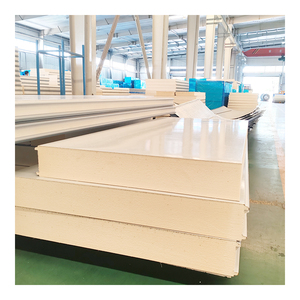
Continuous composite sandwich panels with tongue-and-groove joinery. Engineered for temperature-sensitive warehouses in Alajuela and Puntarenas cold chains.
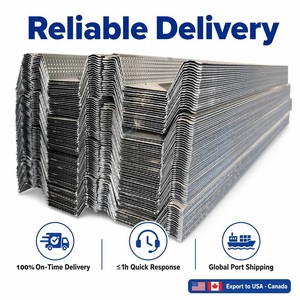
Galvanized structural steel studs with high yield strength (550 MPa). Resists aggressive tropical humidity, preventing frame warping and interior mold propagation.
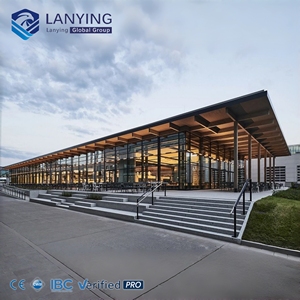
Turnkey pre-engineered portal frames tailored for clear-span commercial showrooms, logistics parks, and distribution centers across the Gran Área Metropolitana.
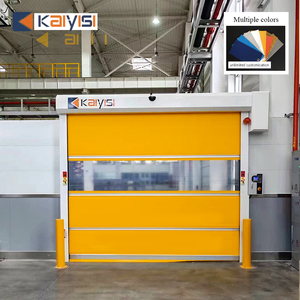
Fast-cycling roll-up doors engineered for dust filtration, humidity interception, and energy conservation in cleanrooms and food export processing warehouses.
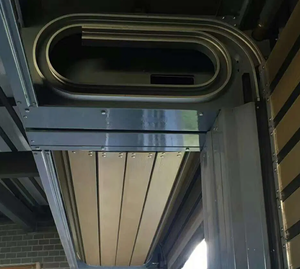
Double-skinned aluminum laths filled with polyurethane foam. High wind load rating (Class 4) suited for extreme weather along the Pacific coastal corridor.
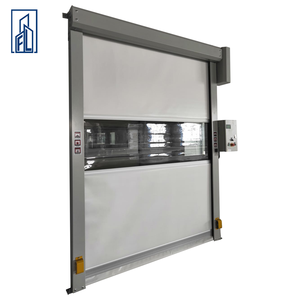
Corrosion-resistant 304 stainless steel frame combined with sealed heavy-duty PVC curtains, defending interior bays from heavy tropical rainfall and washdown chemicals.
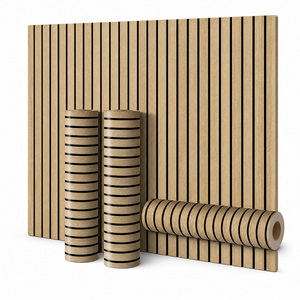
High-density closed-cell interior cladding. Antimicrobial, moisture-impervious, and washable, ideal for hospitality villas, executive offices, and clean facility lobbies.
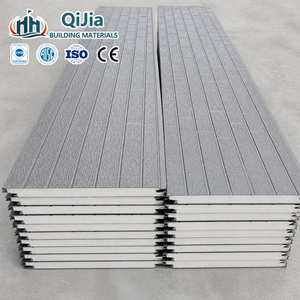
Embossed Al-Zn alloy exterior skins backed with rigid PU core and aluminum foil backing. Provides thermal insulation with modern wood/stone aesthetic for eco-resorts.
Standard uninsulated corrugated zinc (*lámina de zinc galvanizado*) has historically dominated Central American construction, yet modern logistics corridors, cleanroom manufacturing hubs, and green building guidelines demand superior metallurgical and thermodynamic performance.
Traditional galvanized zinc features pure zinc coatings that succumb rapidly to white rust in Costa Rica's Pacific (Puntarenas, Caldera) and Atlantic (Moín, Limón) marine belts. Our metal cladding utilizes a 55% Aluminum, 43.4% Zinc, and 1.6% Silicon alloy (Galvalume AZ150/AZ200). The microscopic aluminum dendrites form a passive barrier against chloride-induced pitting, delivering four times the operational service life of conventional G90 sheets under ISO 9223 C4/C5 atmospheric classifications.
Industrial parks situated downwind from the Central Volcanic Range (Poás, Turrialba, and Irazú) experience periodic dry and wet deposition of sulfur dioxide ($SO_2$) and hydrogen sulfide ($H_2S$). When mixed with atmospheric moisture during the eight-month rainy season (*invierno*), dilute sulfurous and sulfuric acids form on roof sheets. We engineer external skins using 25-micron Fluoropolymer PVDF (70% Kynar 500) and High-Durable Polyester (HDP) to prevent surface chalking, micro-cracking, and premature resin embrittlement.
Costa Rica is situated along the convergent boundary of the Cocos and Caribbean tectonic plates. Under the Código Sísmico de Costa Rica (CSCR-10), exterior building envelopes must safely absorb lateral seismic displacement without catastrophic fastener shear or panel disengagement. Our cladding fasteners, sliding clips, and light-gauge C-studs are calculated to accommodate dynamic lateral drift values ($\Delta/h$), protecting structural integrity during medium-to-high magnitude subduction events.
Compare mechanical strengths, insulation efficiencies, and fire classifications for insulated sandwich panels and metal cladding assemblies specified across Costa Rican construction projects.
| Insulation Core / Panel Type | Thermal Conductivity ($\lambda$) | Density Range | Fire Resistance Rating | Acoustic Rain Attenuation | Target Local Application |
|---|---|---|---|---|---|
| PIR (Polyisocyanurate) Energy Benchmark |
0.020 - 0.022 W/m·K | 40 - 42 kg/m³ | ASTM E84 Class A / B-s1, d0 (Self-extinguishing) | High (24-27 dB Reduction) | Pharmaceutical Cleanrooms (Coyol FTZ), Cold Storage facilities, Life Sciences |
| PUR (Polyurethane) | 0.022 - 0.024 W/m·K | 38 - 40 kg/m³ | DIN 4102 B2 / Class B | Moderate (22-25 dB Reduction) | Agro-processing hubs (San Carlos, Limón), refrigerated fruit/meat warehouses |
| Rock Wool (Mineral Wool) Non-Combustible |
0.038 - 0.044 W/m·K | 80 - 120 kg/m³ | EN 13501-1 Class A1 / 2-Hour Fire Wall (NFPA 221) | Superior (32-35 dB Sound Absorbing) | Power plants, hazardous material storage, industrial boundary fire separations |
| EPS (Expanded Polystyrene) | 0.033 - 0.038 W/m·K | 12 - 18 kg/m³ | B1 Flame Retardant Grade | Low to Moderate (18-20 dB Reduction) | Modular construction site offices, worker dormitories, temporary field stations |
| Carved Metal Decorative Siding | 0.024 - 0.028 W/m·K | 35 - 40 kg/m³ (Core) | Class B1 / Surface Non-combustible | Moderate (21-24 dB Reduction) | Eco-luxury resorts (Guanacaste, Papagayo), commercial facades, modular cottages |
Tailoring exterior cladding, structural sub-frames, and automated barriers to the operational demands of distinct economic sectors from the Pacific coast to the Central Valley.
Costa Rica is Latin America’s premier exporter of medical technologies, concentrated in Free Trade Zones like Coyol, Global Park, and Evolution Free Zone. Cleanrooms require continuous PIR insulated wall panels that feature antibacterial polyvinyl finishes, flush thermal breaks, and airtight rapid roll PVC doors to control particulate count and pressure differentials.
From pineapples in Sarapiquí to bananas in Puerto Limón and seafood in Puntarenas, perishable cargo demands uncompromised thermal insulation. Our 100mm to 150mm thick PU/PIR panels maintain cold chain temperatures between -25°C and +4°C, preventing interior surface condensation despite ambient external humidity levels exceeding 95%.
In Guanacaste, Papagayo, and Manuel Antonio, architectural specifications prohibit noisy, industrial-looking single sheets. Our insulated carved metal siding panels replicate natural stone or tropical timber finishes while incorporating rigid PU cores. The composite assembly dampens the drumming sound of torrential tropical downpours by up to 26 dB.
Mega-logistics parks along Route 27 and the Circunvalación Norte corridor require wide-span pre-engineered steel frames with mezzanine flooring. Our high-strength structural profiles, combined with aluminum insulated spiral rapid roll doors, streamline high-frequency freight dispatch while withstanding seasonal Pacific gust winds.
Analyzing technological transitions, decarbonization frameworks, and regulatory mandates shaping exterior envelope procurement across Central America.
Costa Rica’s legally binding commitment to achieve net-zero carbon emissions by 2050 is driving severe energy efficiency benchmarks. Building envelopes must drastically cut cooling loads on chillers and VRF systems. Transitioning from bare metal roofs to continuous PIR/PUR insulated panels reduces peak thermal heat gain through roof and wall envelopes by up to 74%, directly qualifying projects for RESET and EDGE green building certifications.
Due to national renewable energy incentives and ICE (Instituto Costarricense de Electricidad) distributed generation policies, over 65% of newly built commercial warehouses now install rooftop photovoltaic arrays. Modern cladding specifications require standing seam trapezoidal profiles (such as 360-degree mechanically seamed ribs) that facilitate clamp-on solar racking without penetrating the weathering steel surface.
Contractors in San José and Heredia increasingly mandate building information modeling (BIM) to reduce on-site waste and construction schedules during rainy seasons. Precision factory pre-cutting of insulated panels, light-gauge keels, and secondary purlins allows expedited dry construction, decreasing structural erection timelines by an average of 40% compared to traditional masonry or cast-in-place concrete.
Drawing upon more than 15 years of metallurgical innovation, Joint Star Steel Structure Ltd. combines structural steel design, automated panel lamination, and international export logistics under a unified management system.
We eliminate inter-contractor friction by integrating structural steel framing design, cold-roll profile forming, high-speed door automation, and thermal sandwich panel lamination under one production schedule. Clients receive matched tolerances, coordinated erection diagrams, and serialized member tracking.
Our manufacturing facilities operate advanced continuous double-belt lamination lines. This ensures uniform core density (40-42 kg/m³ for PIR/PUR), zero thermal voiding, and high adhesive peel strength (>0.10 MPa) between the metal skins and insulation cores, preventing skin delamination under tropical heat cycles.
We regularly package building packages for maritime shipping, utilizing protective polyethylene films, heavy-duty edge corner guards, and vacuum plastic wrapping to prevent saltwater fog contamination. Deliveries are routed smoothly to Puerto Caldera (Pacific) or Puerto Limón (Atlantic) to optimize domestic transit across Costa Rica.
Clear, technical guidance addressing import logistics, customs tariffs, building code approvals, and corrosion protection for engineers and purchasing agents.
Every fabricated order is backed by a structural design package including 3D Tekla models, steel member loading tables, material test reports (MTRs) certifying yield strengths (e.g., ASTM A653 or A792), coating thickness certificates (AZ150/AZ200), and section properties. These engineering deliverables allow your CFIA-registered structural engineer (*ingeniero civil o estructural incorporado*) to validate wind uplift, dead load, and lateral seismic drift compliance under the Código Sísmico de Costa Rica and Código de Cimentaciones.
Shipments are dispatched via 40ft High Cube (HC) or Open Top (OT) containers depending on panel lengths and member geometry. For projects in the Central Valley (San José, Alajuela, Cartago) or the Pacific sector (Puntarenas, Guanacaste), ocean freight typically routes via Puerto Caldera. Projects located in Limón, San Carlos, or Caribbean logistics corridors route through Puerto Limón / APM Terminals Moín. Our logistics department coordinates packing lists, customs invoices, and Bill of Lading (B/L) documentation to expedite clearance.
Under Costa Rica’s Free Zone Regime (Ley de Régimen de Zonas Francas N° 7210), qualified beneficiary enterprises operating in industrial parks (such as Coyol, BES Free Zone, and Zeta Free Zone) enjoy complete exemption from import duties, tariffs, and value-added tax (IVA) on building components, structural frameworks, and machinery. We provide certified commercial invoices and tariff classifications (HS Codes, e.g., 7308.90 for structural steel and 7308.30 for industrial doors) to simplify customs processing by your registered customs agency (*agencia aduanal*).
During the rainy season (*invierno*), ambient outdoor humidity regularly exceeds 90% while interior facilities are kept cool (20°C to 24°C) by air handling systems. Single-skin uninsulated sheet metal creates an immediate dew point interface, resulting in internal condensation "raining" onto inventory and structural framing. Continuous PIR and PU sandwich panels provide a continuous thermal break with vapor-tight interlocking tongue-and-groove joints, keeping the interior steel skin above the dew point temperature and eliminating condensation.
For aggressive coastal marine zones (ISO 12944 C5-M, within 3 km of the ocean) or regions near active volcanic activity (Poás and Turrialba fallout paths), we supply an AZ150 or AZ200 Galvalume substrate protected by a 70% Polyvinylidene Fluoride (PVDF / Kynar 500) topcoat or a High-Durable Polyester (HDP) system. These coatings offer exceptional resistance to ultraviolet degradation, acid deposition, and saline aerosol, maintaining color retention and preventing microscopic pinhole corrosion.
Yes. Continuous manufacturing lines allow roll-forming of cladding panels and sandwich systems to exact project dimensions, up to 11.8 meters (to fit standard 40ft shipping containers) or longer for specialized shipping methods. Custom-length production eliminates on-site transverse overlapping, which is a primary source of water leaks during heavy tropical downpours, while reducing scrap metal waste on site.