
Engineered Portfolio
High-Performance Structural Steel & Envelope Solutions for Nagoya Projects
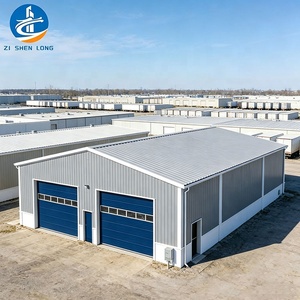
Pre-engineered structural steel members, insulated cladding panels, roll-up cleanroom systems, and galvanized profiles manufactured under strict ISO9001/14001 control for rapid port delivery to Nagoya (Nagoya-kō).
352+
Global Projects Handed Over
120+
Tier-1 Corporate Clients
100+
In-House Engineers & QC Specialists
15+
Years Continuous Export Leadership
Chukyo Industrial Belt Synergy
Engineering Application Scenarios Across Greater Nagoya & Aichi Prefecture
Nagoya represents the industrial heartbeat of Japan—powering world-class automotive assembly, aerospace component manufacturing, and maritime trade. Our pre-engineered steel warehouse frames solve urgent spatial, seismic, and logistical demands across four key regional zones.
Automotive Tier-1 & Tier-2 JIT Buffers
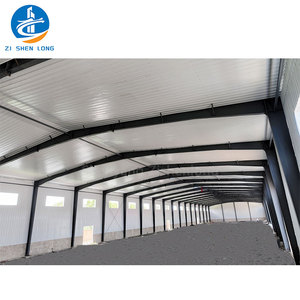
Optimized for the Toyota City, Kariya, and Anjo supplier ecosystems. We deliver large-span portal frames without interior columns (clear spans up to 48 meters), providing wide maneuvering envelopes for automated guided vehicles (AGVs) and high-throughput just-in-time sequence racking.
Port of Nagoya High-Bay Waterfront Hubs
Centering on Tobishima and Meiko harbor zones handling over 200 million metric tons annually. Structures are coated with C4/C5 heavy-duty epoxy and hot-dipped galvanizing exceeding ASTM A123/JIS H8641 standards to resist high salinity, marine dampness, and typhoon wind loads up to 45 m/s.
Aerospace Clean Assembly Facilities
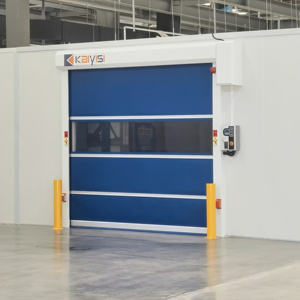
Custom tailored for the Komaki and Kakamigahara aerospace corridors. Incorporates Class 10,000 cleanroom compatibility, high-speed automated roll-up fabric access doors, and ceiling grid frameworks designed to carry integrated HVAC air-shower ductwork and vibration-damped crane runways.
Cold-Chain & Chilled Food Distribution
Positioned along the Tomei and Meishin Expressways for refrigerated logistics. Designed to pair seamlessly with our continuous polyurethane (PIR) and Rock Wool sandwich panels, preventing thermal bridging, mitigating frost-heave ground loads, and ensuring airtight cold containment.
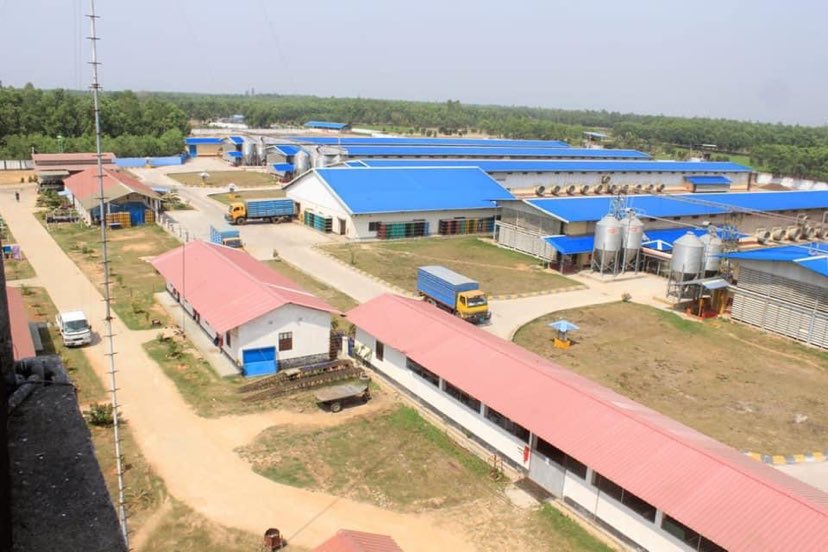
Total Turnkey Quality Control
Engineering Rigor Tailored for Japanese General Contractors
Navigating the stringent provisions of Japan’s Building Standard Law (BSL, 建築基準法) requires an offshore structural fabrication partner that speaks the language of structural engineers. Since 2010, our engineering house has completed over 352 landmark projects, pairing high-precision pre-engineered steel frames with turnkey design, fabrication, and export coordination.
- Certified Structural Steel Grades: Full mill traceability for JIS SS400, SM490A, and SN490B equivalent high-tensile steels with ultrasonic testing (UT) reports.
- Pre-Assembly Trial Fitment: Key structural column-to-rafter connections are test-bolted in our workshop prior to shipping, guaranteeing zero on-site reaming in Nagoya.
- Thermal Envelope Integration: Direct supply of Class-A fire-resistant Rock Wool and high-insulation PU sandwich panels designed to drastically reduce seasonal HVAC loads.
Market Foresight
Macro Trends Transforming Nagoya Industrial Warehouse Development
The Chukyo region is experiencing structural shifts driven by supply-chain localization, stringent decarbonization mandates, and severe construction labor constraints. Our prefabrication architecture is deliberately aligned with these three vectors.
Seismic Resilience & Nankai Trough Preparedness
With municipal guidelines in Aichi Prefecture requiring strict seismic coefficient modeling (Co ≥ 0.25–0.30) due to anticipated Nankai Trough fault activity, modern logistics parks are abandoning rigid heavy masonry. Our ductile portal steel frames with engineered moment-resisting bolted connections dissipate seismic energy efficiently, safeguarding high-value robotic inventory and ensuring rapid post-quake recovery.
ZEB (Net Zero Energy Building) & Solar Readiness
Corporations in Nagoya are committing to corporate carbon-neutral milestones by 2030. Our structural roof systems are pre-engineered with dedicated load allowances (15–25 kg/m²) to support expansive rooftop solar PV arrays. Combined with low-U-value Rock Wool insulated sandwich roof panels, clients reduce internal HVAC operating expenditures by up to 34%.
The "2024 Logistics Problem" & Prefabrication
Overtime caps on domestic Japanese truck drivers and site trades have created critical labor crunches in Aichi’s construction industry. By shifting 90% of welding, cutting, and prep work to our factory floor, our pre-drilled, code-marked steel components cut on-site assembly schedules by over 40%, circumventing local contractor availability bottlenecks.
Technical Parameters
Engineering Specifications Comparison Matrix
Comprehensive engineering criteria benchmarked against Japanese industrial building standards and maritime export parameters for Nagoya Port delivery.
| Structural Subsystem | Material Standard / Specification | Surface Treatment & Coating | Nagoya Environmental Design Criteria |
|---|---|---|---|
| Primary Steel Frame (Columns & Rafters) |
Q235B / Q355B / Equivalent to JIS SS400, SM490A, SN490B. Automatic submerged arc welding (SAW). | Shot blasted to Sa 2.5; 2-coat epoxy zinc-rich primer + polyurethane topcoat (≥120μm DFT). | Designed for Seismic Zone A criteria; dead, live, and localized typhoon wind loads (up to 45 m/s). |
| Secondary Purlins & Girts (C/Z Profiles) |
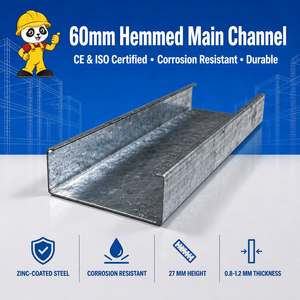
Cold-formed high-tensile steel (yield ≥ 345 MPa); pre-punched mounting holes matching shop drawings. | Continuous hot-dip galvanization: Z180–Z275 g/m² or AZ150 Galvalume coating. | Resists salt air corrosivity common across Ise Bay coastal microclimates; deflection limit L/180. |
| Roof Cladding System (Corrugated & Sandwich) |
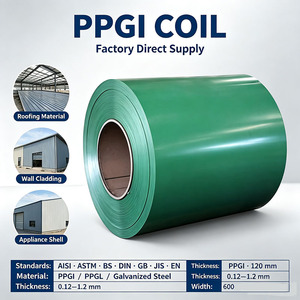
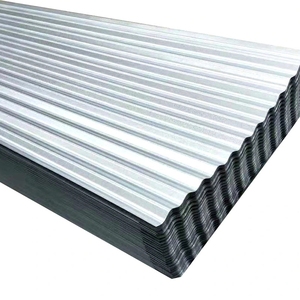
PPGI / Aluzinc 0.5–0.7mm skins with high-density non-combustible Rock Wool or PIR core. | Silicon Modified Polyester (SMP) or PVDF 25/5μm coil coating; fluorocarbon anti-chalking finish. | Thermal transmission U-value down to 0.22 W/m²K; class 1 fire resistance for warehouse storage safety. |
| High-Speed Cleanroom Doors (Access Portals) |
0.8–1.2mm tear-resistant PVC fabric with cold-rolled steel / aluminum guide tracks; IP54 motor. | Electrostatically powder-coated framing; antistatic window inserts for high visibility. | Wind-resistant ribs resisting internal warehouse negative draft pressure up to Class 3; 1.2 m/s roll speed. |
| Hardware & Fasteners (Structural Connections) |
Grade 8.8s / 10.9s High-Strength Friction Grip (HSFG) bolts; chemical torque anchor rods. | Dacromet coating or hot-dip galvanized for extreme atmospheric durability (≥50μm). | Calibrated tightening torque control for high seismic vibration absorption and zero loosening. |
In-House Manufacturing Matrix
End-to-End Vertical Integration: From Steel Coil to Containerized Dispatch
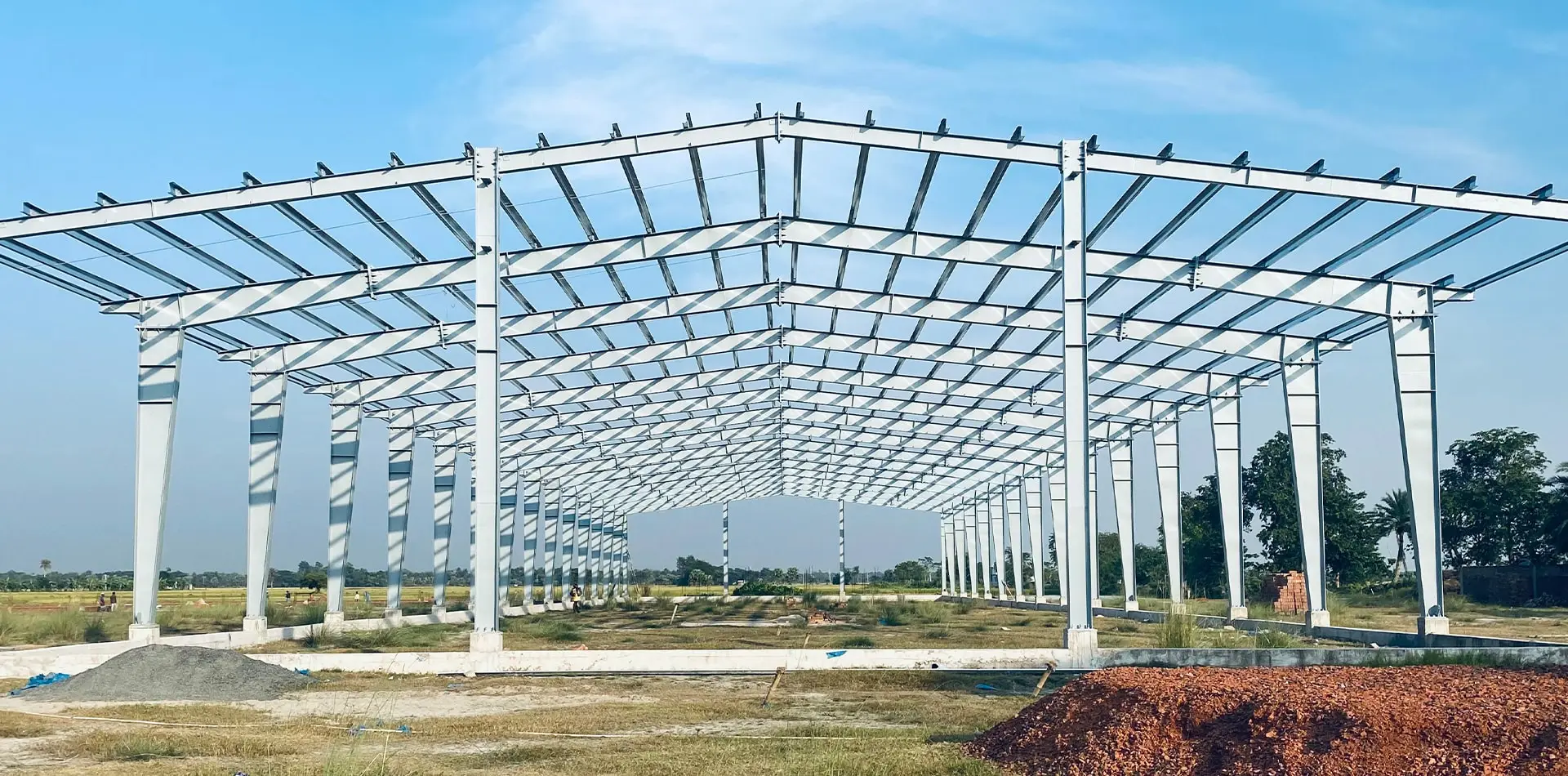
Joint Star Steel Structure operates advanced manufacturing lines encompassing steel plate CNC cutting, H-beam assembling, submerged arc welding, straight-line gantry correction, and automated continuous sandwich panel production. Our production lines eliminate middleman markups, ensuring competitive wholesale export pricing for general contractors, engineering procurement firms, and commercial developers in Japan.
- Precision CNC Drilling & Plasma Cutting: Computerized CAD/CAM nesting guarantees bolt-hole tolerances within ±1.0mm, expediting field erection.
- Sandwich Panel Line: Continuous EPS, PU, and Rock Wool composite production lines offering panel lengths up to 11.8m for direct 40HC container packing.
- Sequenced Shipping Bundles: Components are packed in reverse erection order with color-coded QR steel tags for frictionless staging at Port of Nagoya.
Procurement Intelligence
Frequently Asked Questions for Nagoya Steel Structure Procurement
Direct, technical answers addressing compliance, customs, seismic performance, and logistic practicalities for buyers importing pre-engineered steel buildings into Japan.
Can imported Chinese steel structures satisfy the Japanese Building Standard Law (Kenchiku Kijun-hō)?
Yes. Japanese municipal building officials require verified chemical composition, tensile yield limits, and Charpy impact toughness consistent with JIS G3101 (SS400), JIS G3106 (SM490A/B), or JIS G3136 (SN490B/C for seismic structures). We supply full Mill Test Certificates (MTC / EN 10204 Type 3.1) from state-owned tier-1 steel mills, alongside third-party welding inspector NDT (Ultrasonic / Magnetic Particle) testing reports conforming to Japanese standard inspection schedules.
How do your structural warehouse packages withstand coastal typhoons around Ise Bay and Port of Nagoya?
The Ise Bay coastal strip is subject to severe typhoon wind shear and coastal storm surges. Our engineers utilize structural software (PKPM, 3D3S, SAP2000, and Tekla Structures) to calculate wind load coefficients up to 45–50 m/s depending on topography and eave height. Furthermore, we apply heavy-duty marine anti-corrosion paint systems (such as high-solids zinc primer topped with epoxy and polyurethane, or hot-dip galvanizing exceeding 85μm thickness) that successfully endure ISO 12944 C4/C5 marine atmospheric exposure.
Which sandwich panel core should we specify for a cold-storage or auto-parts warehouse in Aichi?
Core selection depends on thermal efficiency and fire regulations: Polyurethane (PU/PIR) delivers the highest thermal resistance per millimeter (thermal conductivity λ ≈ 0.022 W/m·K), making it the mandatory standard for cold storage, food fulfillment hubs, and climate-controlled assembly lines. Rock Wool (mineral fiber) provides superior fire non-combustibility (≥1000°C melting point) and exceptional acoustic damping, making it the preferred choice where Japanese fire safety compartments are mandatory. EPS serves as a cost-effective, ultra-lightweight thermal barrier for internal partition walls or modular site field offices.
What are the lead times for ocean freight and customs entry into Port of Nagoya?
Our production lead times average 25 to 35 days depending on total structural tonnage and panel surface area. Ocean transit from major Chinese export ports (Shanghai, Ningbo, or Qingdao) directly to Port of Nagoya (Tobishima or Meiko Container Terminals) is exceptionally fast, taking just 3 to 5 days on regular container or breakbulk vessel rotations. We furnish complete commercial invoices, packing lists with individual piece weights and dimensions, certificates of origin, and erection sequence markers for prompt Japanese customs clearance.
Can your engineering team coordinate with Japanese architectural drawings and civil foundation contractors?
Yes. Our in-house structural engineering team consists of over 100 design and technical specialists. We produce complete 3D BIM models in Tekla, comprehensive anchor bolt layout drawings, base plate reaction force calculations (shear, axial, moment), and detailed 2D construction erection drawings. These technical deliverables allow local Japanese general contractors and civil engineering firms to cast foundation footings with total dimensional confidence prior to container discharge.
What heavy equipment and overhead crane capacities can be integrated into the structural warehouse frames?
We routinely design and fabricate steel buildings carrying 5-ton, 10-ton, 20-ton, and up to 50-ton electric overhead traveling (EOT) cranes for stamping die storage, coil handling, and heavy machinery production. We supply structural runway beams, crane brackets, heavy rail profiles, and longitudinal braking trusses designed to absorb cyclic fatigue without frame distortion or structural resonance.
Initiate Your Nagoya Warehouse Project with Engineering Precision
Send our senior engineering team your site dimensions, architectural sketches, or load requirements. We will return an optimized structural concept, steel tonnage optimization schedule, and competitive CIF Port of Nagoya quotation within 24 business hours.