
Manufactured on high-speed continuous multi-belt lamination lines. Fully compliant with ASTM E84, EN 14509, and ISO thermal envelope standards for industrial cold storage, logistics hubs, modular housing, and commercial infrastructure.
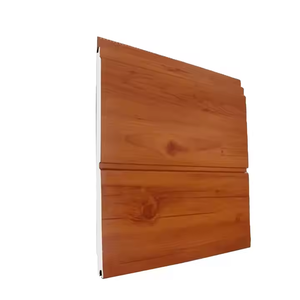
Embossed galvalume-coated steel skin with micro-cellular polyisocyanurate (PU/PIR) rigid core. Engineered for high-end aesthetic exterior facades and commercial warehouse roofs.
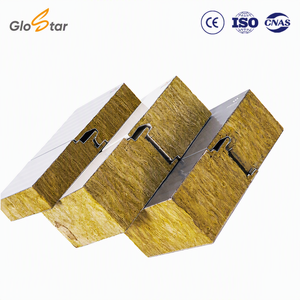
Heavy-gauge aluminum/steel facing with hermetic tongue-and-groove cam-lock joinery. Perfect for pharmaceutical cold chains, blast freezers, and rapid-deploy container shelter enclosures.
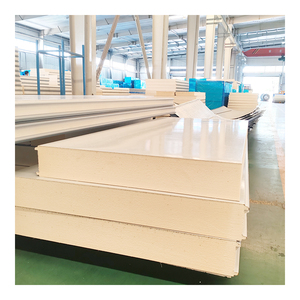
Universal industrial cladding system with versatile core compatibility. Provides balanced mechanical load-bearing capacity, acoustic decibel attenuation, and high thermal retention.
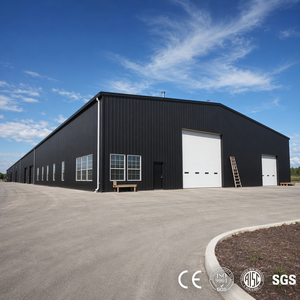
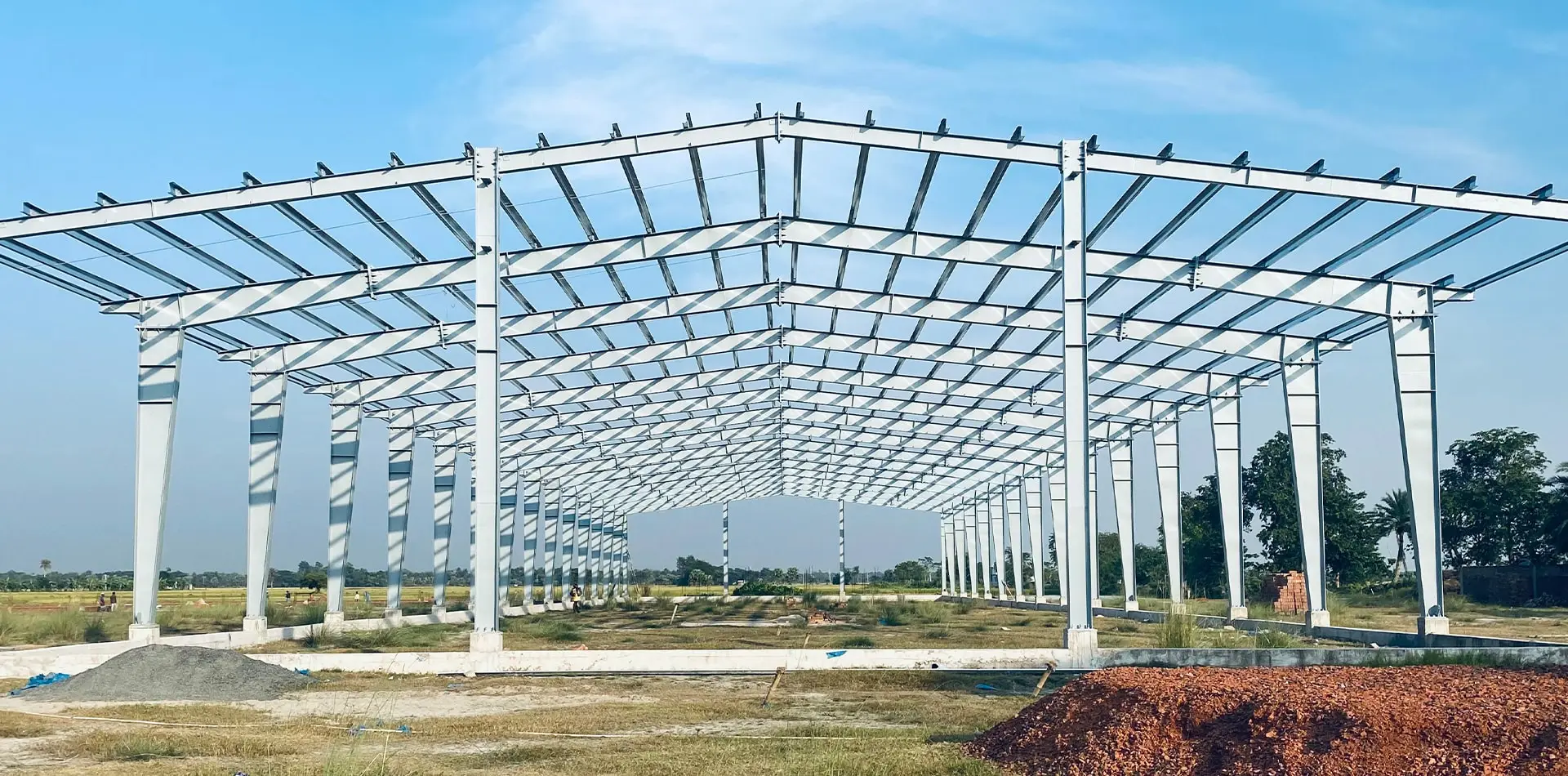
Full turnkey pre-engineered building (PEB) frame paired with factory-cut structural panels. Built to resist heavy typhoons, seismic shears, and intensive industrial fire load conditions.
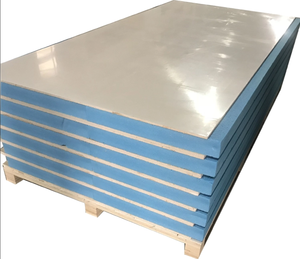
Magnesium Oxide (MGO) reinforced structural facing boards infused with EPS or mineral wool. Complete zero-flame ignition, zero-smoke toxicity, and immune to moisture rot and fungal decay.
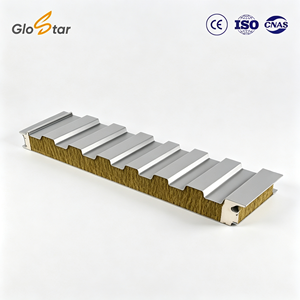
Lamella-aligned basalt mineral wool core with anti-static, cleanroom-grade fluorocarbon steel skin. Engineered for pharmaceutical environments, data centers, and fire compartment walls.
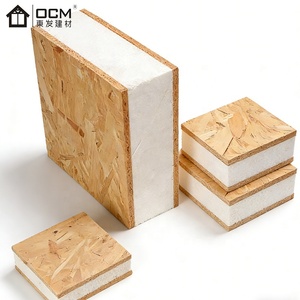
Oriented Strand Board (OSB/3) structural skins auto-bonded to high-R expanded polystyrene or polyurethane. Provides superior shear diaphragm performance for energy-efficient passive houses.
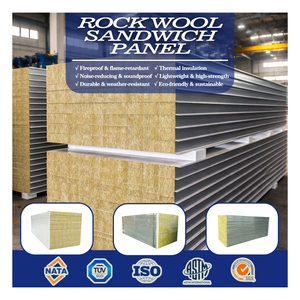
Hybrid acoustic structural panel integrating non-settling mineral stone wool slabs inside moisture-resistant OSB skins. Unmatched environmental sound dampening for timber construction.
A rigorous examination of diaphragm shear transfer, cyclic wind-load deflection, long-term core creep behavior, and thermal bridge mitigation across industrial envelopes.
Structural Insulated Panels (SIPs) and continuous-line sandwich panels operate structurally as an engineered composite I-beam system. The high-modulus outer structural facings (such as structural prepainted galvalume steel, EN 300 compliant OSB/3, or magnesium oxysulfate matrix sheets) resist axial tension and compression forces induced by flexural bending moments. In parallel, the rigid insulation core—whether closed-cell Polyisocyanurate (PIR) or lamella-oriented basalt mineral wool—carries the transverse shear stresses while preventing local wrinkling, bucking, or shear delamination under lateral wind loads and seismic events.
The structural efficiency of the panel depends directly on the interfacial adhesive bond strength. Under continuous heat-activated multi-belt polyurethane injection, the adhesive skin-to-core bond exceeds 0.15 MPa in tensile bond strength according to ASTM C297. This cohesive bond ensures complete stress distribution across the entire envelope surface, transforming curtain wall assemblies into load-sharing structural diaphragms capable of dramatically reducing the total required structural steel tonnage in modern pre-engineered industrial buildings.
Furthermore, hygrothermal analysis indicates that continuous insulated panel systems eliminate over 92% of the linear thermal bridges typically encountered in traditional built-up stud walls or conventional purlin-and-blanket assemblies. By keeping the thermal line unbroken and positioning the dew point safely within the inert closed-cell insulation core, structural interstitial condensation is permanently prevented, eliminating envelope degradation and corrosion risk.
Thermal transmission values (U-values) drop down to 0.14 W/m²K depending on core thickness. Closed-cell PIR blown with zero-ODP cyclopentane delivers stable thermal resistance over a 50-year lifecycle without fiber settling or moisture absorption.
Our structural mineral wool and MGO panel configurations comply with Euroclass A1/A2 and ASTM E119 fire containment standards. They maintain structural load capacity under 1,000°C furnace exposure for up to 240 minutes without contributing toxic smoke.
Under uniform transverse wind pressures exceeding 2.5 kPa, panels engineered with 0.6mm exterior galvalume skins exhibit span-to-deflection ratios better than L/240. Rigid core stabilization eliminates oil-canning and micro-vibration fatigue.
Critical macro-economic shifts, automated fabrication demands, and supply chain decarbonization protocols reshaping global procurement decisions for EPC contractors and project developers.
While regional stockists offer short lead times for standard inventory, mega-scale projects (cold chain facilities exceeding 20,000 m², hyperscale data centers, and multi-bay PEB factories) are moving directly to high-throughput OEM manufacturers. Direct OEM lamination guarantees batch color consistency, continuous cut-to-length custom spans up to 16 meters, and direct savings of 22% to 35% on procurement bill-of-materials.
Modern B2B procurement agreements now mandate Building Information Modeling (BIM) Level of Development 400 delivery. Panels are factory-coded with QR markers indicating precise site coordinates, factory machining tolerances (±1.0 mm), pre-routed electrical raceways, and custom lifting lug points, reducing crane positioning time and onsite field labor by over 60%.
Global institutional developers are factoring embodied carbon metrics directly into procurement tender algorithms. Sourcing managers now prioritize factories offering Environmental Product Declarations (EPDs) certified under ISO 14025. This includes steel skins with recycled scrap content, bio-attributed polyols in PIR foam matrices, and energy-neutral lamination processes.
| Panel Subsystem & Core Type | Nominal Thickness | Heat Transfer (U-Value) | Fire Classification | Recommended Industrial Applications | OEM Customization Limits |
|---|---|---|---|---|---|
| Rigid PIR Foam (Cam-Lock Steel) | 75mm – 200mm | 0.28 – 0.11 W/m²K | ASTM E84 Class A / B-s1,d0 | Blast freezers, cold distribution centers, cleanrooms | Lengths up to 16.5m; Anti-microbial food-safe coatings |
| Structural Rock Wool Lamella | 50mm – 150mm | 0.72 – 0.27 W/m²K | Euroclass A1 Non-Combustible | Chemical warehouses, power generation, firewalls | Continuous profile roll-forming; 0.5 - 0.8mm facing |
| Engineered OSB/3 Core SIP | 114mm – 265mm | 0.32 – 0.14 W/m²K | Fire Retardant Treated | Offsite prefabrication, passive residential, commercial roofs | Pre-cut window openings, integrated structural timber splines |
| Sulfate Magnesium Oxide (MGO) | 60mm – 120mm | 0.45 – 0.22 W/m²K | 2-4 Hour Fire Endurance | High-humidity mining camps, coastal barracks, substations | Surface primer ready for direct stucco/paint finishing |
| Industrial Expanded Polystyrene (EPS) | 50mm – 250mm | 0.68 – 0.15 W/m²K | B1 Flame Retardant | Temporary field offices, modular camp clinics, sheds | Economic density 16-24 kg/m³; Rapid automated lamination |
From next-generation non-halocarbon blowing agents to intelligent thermal sensors and nano-engineered coatings, structural panels are advancing into high-efficiency architectural systems.
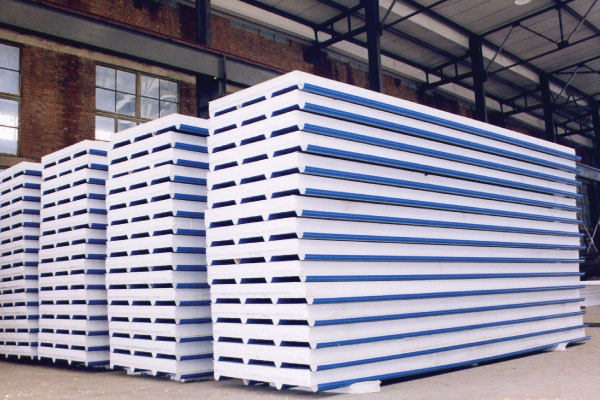
The insulation industry is undergoing a chemical transition away from legacy hydrofluorocarbons (HFCs) toward ultra-low GWP fourth-generation hydrofluoroolefins (HFOs) and cyclopentane-blended polyols. This transition delivers a double advantage: GWP ratings drop below 1, while thermal conductivity (k-factor) improves by up to 10% through a finer closed-cell matrix containing bubbles under 100 micrometers in diameter.
Concurrently, the integration of intumescent flame-retardant chemistry directly within the polymer backbone enables PIR panels to form a protective carbonaceous char shield when exposed to open flame. Instead of melting, the charred surface insulates the deeper core layers, preventing rapid thermal degradation and maintaining the structural integrity of the facade wall envelope during fire evacuation cycles.
For demanding exterior applications, advancements in surface metal coatings—such as 55% Aluminum-Zinc alloy coatings (Galvalume AZ150) paired with high-durability polyvinylidene fluoride (PVDF) or super-durable polyester (SDR) resin systems—guarantee corrosion resistance exceeding 30 years in harsh C3 and C4 marine-industrial atmospheric environments.
Research into blending silica aerogel blankets within mineral wool cores allows manufacturers to manufacture ultra-thin panels (under 40mm) achieving thermal insulation values previously only attainable by 100mm conventional panels, maximizing interior leasable floor space.
New multi-layer zinc-aluminum-magnesium (ZAM) metallic skins provide sacrificial galvanic protection that actively heals scratches and raw factory cuts along perimeter panel edges, stopping edge creep and rust in humid coastal climates.
Moving away from messy, labor-intensive onsite wet caulking, next-generation sandwich panels utilize factory-vulcanized EPDM triple-lip dry gaskets integrated directly into the interlocking tongue-and-groove joint, ensuring complete airtightness ratings (<0.05 m³/h·m²).
Combining heavy structural steel fabrication and continuous automated sandwich panel production under a single engineering management system since 2010.
Founded in 2010 in Dhaka, Bangladesh, Joint Star Steel Structure Ltd. has grown from a specialized steel construction firm into an integrated engineering and manufacturing enterprise. Having executed more than 352 landmark projects for over 120 industrial and multinational clients, our 100+ dedicated engineers, fabricators, and erection professionals understand that envelope failure occurs primarily at the interface between the primary steel framing and the exterior cladding panels.
By engineering, fabricating, and manufacturing both the primary structural steel skeleton (including Q355 built-up H-beams, box columns, and cold-formed Z/C purlins) and the high-efficiency sandwich panels under one operational roof, we eliminate interface mismatches, secondary cladding rework, and costly installation delays. Our in-house technical department verifies all bolt alignments, thermal clip movements, and structural deflection spans prior to maritime export dispatch.
From initial structural foundation coordination to final airtightness envelope commissioning, our clients benefit from single-source contractual accountability. We supply export-grade seaworthy containerized packages complete with shop drawings, detailed piece markings, comprehensive packing lists, and certified testing documentation for smooth field assembly.

We provide unified delivery covering structural design analysis, primary and secondary steel fabrication, sandwich panel lamination, civil engineering coordination, and precision field erection support.
Every production batch undergoes structural flatwise tensile testing (ASTM C297), core density checks, four-point bending strength analysis, and salt-spray corrosion tests to ensure defect-free quality.
Experienced in high-cube maritime shipping logistics. Panels are protected with protective films, edge guards, and moisture-sealed shrink wrapping to prevent handling damage during ocean transit.
In-depth technical answers addressing manufacturing tolerances, code compliance, core selection, and containerized logistics.