Q1
How does Galvalume (AZ150) compare against traditional Hot-Dip Galvanized (HDG) steel for metal cladding?
Galvalume consists of an alloy coating composed of 55% aluminum, 43.4% zinc, and 1.6% silicon by weight. In general industrial, commercial, and rural atmospheres, Galvalume exhibits two to four times greater corrosion resistance compared to an equivalent zinc mass of galvanized steel. The aluminum forms a microscopic inert alumina barrier film, while the zinc provides sacrificial galvanic protection at cut edges. However, for continuous alkaline environments or animal husbandry containing high ammonia concentrations, heavy hot-dip galvanized steel or specialized organic barrier coatings are preferred over bare Galvalume.
Q2
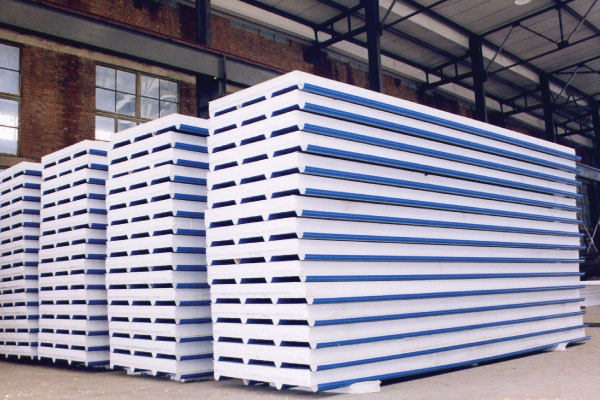
Which sandwich panel core should be specified: EPS, PU/PIR, or Rockwool?
Specification is governed by thermal efficiency vs. fire rating requirements:
EPS (Expanded Polystyrene) is the most economical, lightweight choice suited for temporary offices, modular accommodation, and standard dry-goods warehouses.
PU/PIR (Polyurethane / Polyisocyanurate) delivers the highest thermal resistance per unit thickness (thermal conductivity λ ≈ 0.022 W/mK), making it essential for cold stores, temperature-controlled facilities, and pharma warehouses.
Rockwool (Mineral Wool) is completely non-combustible (Class A1/A2-s1,d0) with high melting temperatures (>1000°C) and superior sound absorption, making it the legal standard for fire-separation walls and hazardous production plants.
Q3
What parameters are required to generate an OEM/ODM proposal and structural calculation?
To generate an accurate engineering proposal and quotation, provide: (1) Architectural layout indicating building length, width, clear eave height, and bay spacing; (2) Local environmental design codes (basic wind velocity/pressure in kPa, seismic zone coefficient, and maximum roof snow/live load); (3) Internal operations data (overhead crane tonnage, mezzanine requirements, hanging mechanical equipment); (4) Wall and roof cladding preferences (sheet thickness, profile type, thermal insulation R-value, coating type); and (5) Intended port of delivery for containerized logistics calculation.
Q4
How do you prevent white rust (wet storage stain) during international ocean freight?
White rust forms when zinc-coated sheets are stacked tightly in the presence of trapped moisture without free air circulation, preventing the natural formation of a protective zinc hydroxycarbonate patina. Joint Star Steel mitigates this through: (1) Application of chemical passivating treatments (hexavalent or trivalent chromium, or organic anti-fingerprint sealers) directly after rolling; (2) Interleaving panels with protective peelable polyethylene film; (3) Multi-layer vapor-proof kraft wrapping with VCI (Vapor Corrosion Inhibitor) desiccants inside sealed ocean bundles; and (4) Stowing containers in below-deck cargo holds away from open saltwater spray.
Q5
What are the minimum bend radius tolerances to avoid micro-cracking in the paint film?
During custom flashings, ridge capping, and profile roll-forming, over-bending causes micro-fissures in the topcoat that expose the primer or metallic substrate to localized galvanic attack (known as "T-bend cracking"). We adhere strictly to ASTM D4145 testing. Standard flexible polyester systems allow a 2T to 3T bend, while our premium PVDF and ultra-durable polyamide-modified polyurethane systems achieve 0T to 1T flexibility without paint flaking or micro-crazing under high-magnification optical inspection.
Q6
Can Joint Star Steel manage complete structural packages including RCC civil foundations?
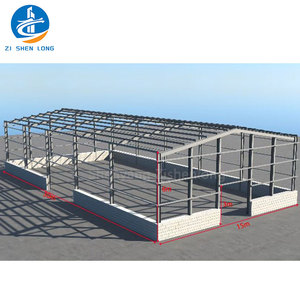
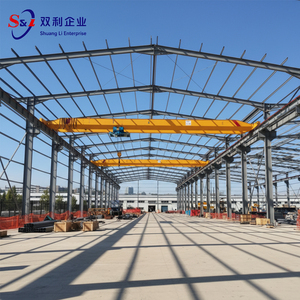
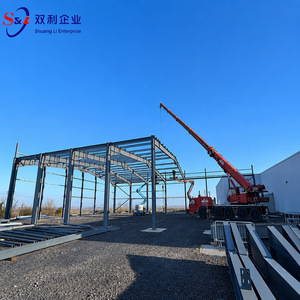
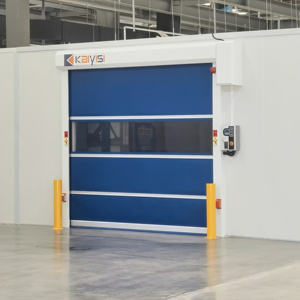
Yes. Joint Star Steel operates a dedicated civil and RCC (Reinforced Cement Concrete) engineering division. We deliver turnkey construction covering earthworks, soil piling, reinforced grade beams, anchor bolt setting templates, heavy floor slabs, primary and secondary steel structure fabrication, crane rail integration, insulated sandwich panel cladding, and industrial high-speed door installation under unified structural engineering oversight.