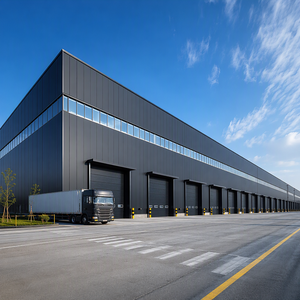
Precision-manufactured structural sandwich panels, galvanized profiles, and architectural railing systems engineered to international ASTM, EN, and ISO structural certifications.
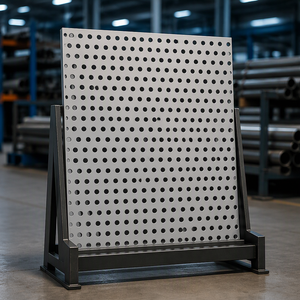
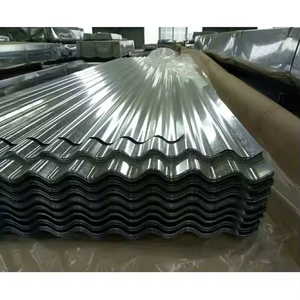
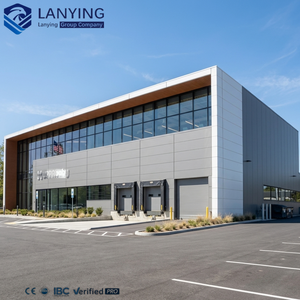
A comprehensive evaluation of non-combustible building envelopes, acoustic damping mechanics, and structural lifecycle resilience for large-scale industrial projects.
In modern industrial architecture, cold-chain logistics, and prefabricated steel structure construction (PEB), the building envelope serves as the primary barrier against thermal bridging, acoustic resonance, and catastrophic fire spread. Glass wool sandwich panels—manufactured through high-speed centrifugal fiberization of molten silica glass blended with thermosetting resin binders—have emerged as the global benchmark for building envelopes requiring a certified non-combustible rating (Class A1 / EN 13501-1) coupled with superior acoustic absorption (Noise Reduction Coefficient NRC ≥ 0.85).
Unlike organic foam insulation cores such as Expanded Polystyrene (EPS) and Polyurethane (PU/PIR), which undergo pyrolysis and generate toxic cyanide gas emissions at elevated temperatures, centrifugal glass wool remains dimensionally stable at temperatures exceeding 450°C. The microscopic structure of intertwining borosilicate glass fibers forms an intricate maze of stationary air pockets. This matrix restricts conductive and convective heat transfer, achieving an ultra-low thermal conductivity coefficient (λ) ranging from 0.031 to 0.036 W/(m·K).
For international EPC contractors, structural engineers, and commercial developers sourcing from China's premier manufacturing hubs, optimizing panel selection requires evaluating mechanical shear strength, surface peel resistance, and water vapor permeability. Modern automated double-belt continuous lamination lines incorporate dual-component polyurethane (PU) edge-sealing technology. This engineering innovation encapsulates the fibrous mineral core within a rigid polyurethane perimeter, creating an impervious vapor barrier that completely eradicates water capillary intrusion while boosting tensile load capacity by more than 35%.
Classified as non-combustible under EN 13501-1 and ASTM E84 Class A. Zero flame spread index, minimal smoke toxicity, and structural integrity retention during flashover incidents.
Delivers superior sound attenuation (Rw up to 34–42 dB). The elastic fiber arrangement dampens structural resonance from heavy machinery, indoor plant noise, and driving exterior precipitation.
Treated with silicone-based organosilicon water-repellent emulsions achieving a hydrophobicity rating >98%. Inhibits moisture absorption, core slumping, and corrosion under insulation (CUI).
Exacting metallurgical and insulation core standards verified across accredited third-party mechanical testing facilities.
| Performance Metric | Testing Standard | 50mm Nominal | 75mm Nominal | 100mm Nominal | 150mm Heavy-Duty |
|---|---|---|---|---|---|
| Core Density (±5 kg/m³) | ASTM C612 / EN 1602 | 48 – 64 kg/m³ | 48 – 64 kg/m³ | 64 – 80 kg/m³ | 64 – 96 kg/m³ |
| Thermal Transmittance (U-Value) | ISO 6946 / EN 14509 | 0.68 W/(m²·K) | 0.45 W/(m²·K) | 0.34 W/(m²·K) | 0.23 W/(m²·K) |
| Thermal Conductivity (λ) | ASTM C518 / GB/T 10294 | 0.034 W/(m·K) | 0.034 W/(m·K) | 0.033 W/(m·K) | 0.031 W/(m·K) |
| Fire Reaction Rating | EN 13501-1 / ASTM E84 | A2-s1, d0 | A2-s1, d0 | A1 / Class A | A1 / Class A |
| Sound Reduction Index (Rw) | ISO 717-1 / ASTM E90 | 31 dB | 34 dB | 37 dB | 42 dB |
| Permissible Span (L/200, 1.5 kPa) | EN 14509 Annex E | 2.40 m | 3.20 m | 4.10 m | 5.50 m |
| Steel Skin Substrate Options | ASTM A653 / EN 10346 | 0.4mm – 0.8mm PPGI (Galvanized), PPGL (Galvalume AZ150), HDP, PVDF, or AISI 304/316 Stainless Steel | |||
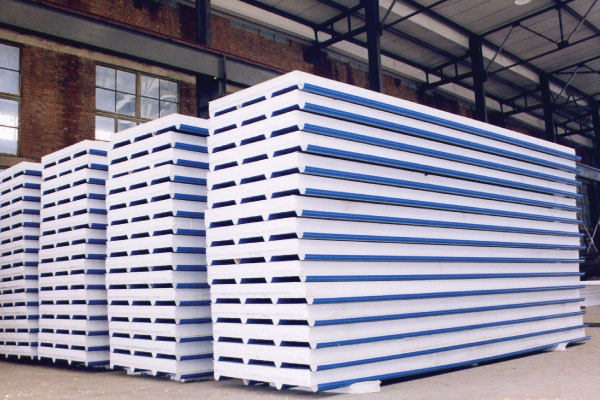
Joint geometry determines the air-tightness, vapor barrier longevity, and wind uplift resistance of a sandwich panel facade. Our export-specification glass wool panels utilize high-precision tongue-and-groove joint profiles engineered with concealed screw fixing channels (secret-fix system).
Navigating carbon taxation, modular construction speeds, and rigorous insurance mandates across international borders.
With the European Union's Carbon Border Adjustment Mechanism (CBAM) and global LEED v4.1 green building standards, tier-1 developers are demanding Environmental Product Declarations (EPDs). Centrifugal glass wool manufactured using over 80% recycled container glass scrap substantially lowers the embodied carbon footprint compared to petrochemical foam cores.
Global property reinsurers (such as FM Global and AXA XL) are drastically hiking underwriting premiums for industrial assets clad in combustible cores. The transition to Class A non-combustible glass wool core envelopes provides asset owners with immediate 20–40% property insurance rate reductions over building lifetimes.
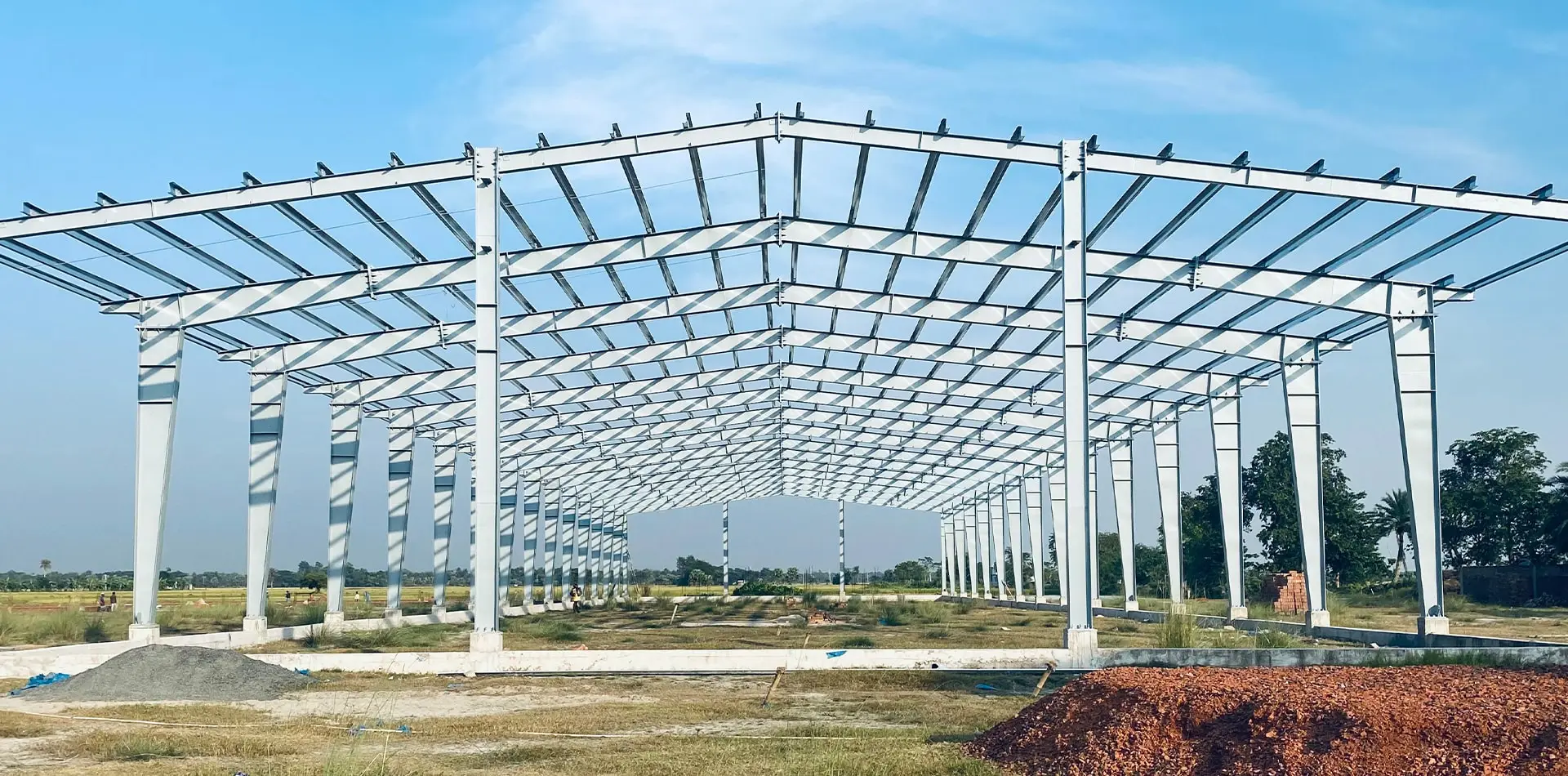
Fast-track logistics centers and mega-factories require synchronized engineering where the primary steel portal frames, secondary purlins, and sandwich panels are supplied from a unified technical source. This turnkey procurement methodology avoids dimensional tolerance conflicts on site, slashing construction schedules by up to 50%.
Cross-border supply chain resilience has become the dominant criterion for procurement directors. Sourcing glass wool panels requires examining not only raw material costs per square meter, but the complete Total Cost of Ownership (TCO). This encompasses sea-freight packing density ratios, ocean container stowage mechanics, corrosion-resistant transport bundling, and warranty protection on color-coated fluorocarbon (PVDF) coil coatings exposed to high UV radiation in coastal or equatorial zones.
Breakthroughs in bio-soluble fibers, formaldehyde-free binder matrices, and nano-hydrophobic surface chemistry.
Traditional glass wool panels utilized phenol-formaldehyde thermosetting resins that released low levels of volatile organic compounds (VOCs) during high thermal stress. The latest technological advancement pioneered in top-tier Chinese manufacturing facilities utilizes bio-based acrylic thermosetting binders derived from natural plant starches.
This breakthrough delivers three fundamental engineering advantages: zero formaldehyde emissions (exceeding EU REACH indoor air criteria), non-hazardous handling during cutting and site installation, and enhanced elasticity that prevents fiber breakage and dust generation during high-vibration maritime transport.
Combined with supersonic gas-burner fiber attenuation, fiber diameters are tightly controlled between 4.0 and 5.5 microns. This ultra-fine fiber distribution increases the density of micro-voids, enabling panels to achieve identical thermal resistance values at 15% lower core mass, reducing secondary steel purlin dead-load design requirements.
Integrating pre-engineered structural steel design, heavy member fabrication, continuous automated sandwich panel manufacturing, and international export logistics under one accountable engineering protocol.
We eliminate subcontractor finger-pointing. Our engineering teams integrate portal frames, built-up welded H-beams, cold-formed purlins, and glass wool panels under single-source engineering liability.
Every production batch undergoes destructive shear testing, four-point bending deflection, salt spray corrosion tests (ASTM B117), and core density pycnometer verification before container staging.
Custom heavy wooden skids, multi-layer heat-shrink protective film, and vacuum-assist palletizing prevent ocean freight chafing, edge deformation, and salt spray ingress during deep-sea shipping.
Supported by 100+ structural engineers and field specialists, we provide shop erection drawings, BIM clash detection models, purlin arrangement schedules, and technical site supervisory services worldwide.

Originating from our core motto "Your Future in Your Home", we have expanded from pioneer sandwich panel lines into a premier multinational manufacturer of pre-engineered steel buildings, heavy structural fabrication, and advanced composite insulated wall/roof solutions.
Having completed more than 352 industrial projects for over 120 corporate clients worldwide, our delivery infrastructure encompasses complete manufacturing cycles: steel plate uncoiling, plasma profiling, automatic submerged arc welding (SAW), shot blasting to Sa 2.5 standard, primer painting, and continuous composite panel lamination. By commanding every stage of fabrication, we protect international buyers against project cost overruns and site alignment discrepancies.
Get CatalogAuthoritative technical answers to common queries regarding specifications, logistics packing ratios, thermal performance, and compliance certifications.
While both materials are classified as Class A non-combustible mineral insulations, glass wool is manufactured from molten borosilicate glass fibers, whereas rock wool is produced from volcanic basalt rock. Glass wool features longer, finer, and more flexible fibers (4–6 μm) resulting in a lower bulk density (48–80 kg/m³) to achieve equivalent thermal conductivity (λ ≤ 0.034 W/m·K). This yields significant dead-weight savings for steel structures. Rock wool possesses higher density (80–140 kg/m³) and higher melting points (>1000°C), making it ideal for dedicated 2-to-4-hour firewalls, while glass wool offers superior acoustic absorption (NRC), easier on-site handling, and lower freight weight penalties.
Traditional raw-edge mineral wool panels expose porous fibers at tongue-and-groove joints, making them vulnerable to water capillary action, humidity ingress, and thermal leakage. Our advanced continuous production lines inject rigid polyurethane foaming at both longitudinal edges. This PU perimeter acts as an impervious vapor lock that prevents atmospheric humidity from reaching the hydrophilic glass wool core, eliminates moisture-induced thermal degradation, and enhances joint compressive strength by up to 35%, ensuring high wind-suction resistance.
Loading capacity depends on panel thickness and packaging methods. Typically, for a standard 40-foot High Cube (40'HQ) container: 50mm panels yield approximately 1,100 to 1,200 m²; 75mm panels yield approximately 750 to 850 m²; and 100mm panels yield approximately 550 to 650 m². Panels are packed on heavy-duty wooden or steel pallets protected by multi-layer stretch film and reinforced edge protectors. Total container weight is managed strictly within international maritime shipping limits (typically 26,000–27,500 kg gross weight).
For standard industrial warehouses, Hot-Dip Galvanized PPGI with Regular Modified Polyester (RPE, 20/5 μm) is cost-effective. However, for coastal regions within 5 km of saltwater or facilities with chemical fumes, we specify 55% Aluminum-Zinc Galvalume substrates (AZ150) paired with High-Durability Polyester (HDP) or Polyvinylidene Fluoride (PVDF 70/30 resin, Kynar 500) coatings. PVDF provides exceptional resistance to UV chalking, acid rain, and color fading, supported by a 20-to-25-year structural exterior warranty.
Yes. Our integrated manufacturing scope specializes in coordinated PEB steel structures and sandwich panel cladding. Our structural engineering department analyzes the exact wind-load criteria, seismic zones, and temperature differentials of your project site, producing detailed purlin spacing (typically 1.5m to 2.5m centers) and flashing integration drawings. Panels are supplied pre-cut to exact lengths matching the eave height and roof pitch, drastically eliminating on-site cutting waste and rapid erection timelines.
Every commercial export order is issued complete Quality Inspection Reports and EN 10204 3.1 Mill Test Certificates. Testing protocols reference EN 14509 (Self-supporting double skin metal faced insulating panels), ASTM C612 (Mineral Fiber Block and Board Thermal Insulation), ASTM E84 (Surface Burning Characteristics), and EN 13501-1 (Fire Classification). Independent third-party inspection (SGS, Bureau Veritas, or Intertek) can be arranged prior to container loading.
Connect with our technical sales engineers for structural span calculations, acoustic modeling, tailored price quotations, and comprehensive product catalog access.